Orbital Compute and the Math of Space Data Centers
Google just sent a TPU into orbit, but real space data centers are still waiting on thousands of rocket launches and serious engineering breakthroughs....

Google finally strapped a Tensor Processing Unit — to be fair — onto a rocket and sent it into the great beyond. This billionaire, this isn't just another vanity project or a hollow press release about the future of teamwork; it's a genuine hardware stress test. Sure, hard to believe? Then again, if a high-powered silicon chip can survive the brutal thermal and power realities of low Earth orbit without melting or frying its circuits. They want to see! Running 15-minute bursts from a Planet Labs satellite is clever, but it's just the very first baby step toward something much more absurd.
Project Suncatcher isn't hiding its grand ambitions. They are looking five years down the road, designing clusters of 81 satellites that talk to each other via lasers to process massive AI workloads in parallel. But let's be real for a second. The infrastructure we need to make orbital compute economically viable simply does not exist yet. Everyone is waiting on SpaceX to completely rewrite the economics of heavy-lift rocketry, projecting a future where launch costs drop to a couple hundred bucks per kilo by 2035.
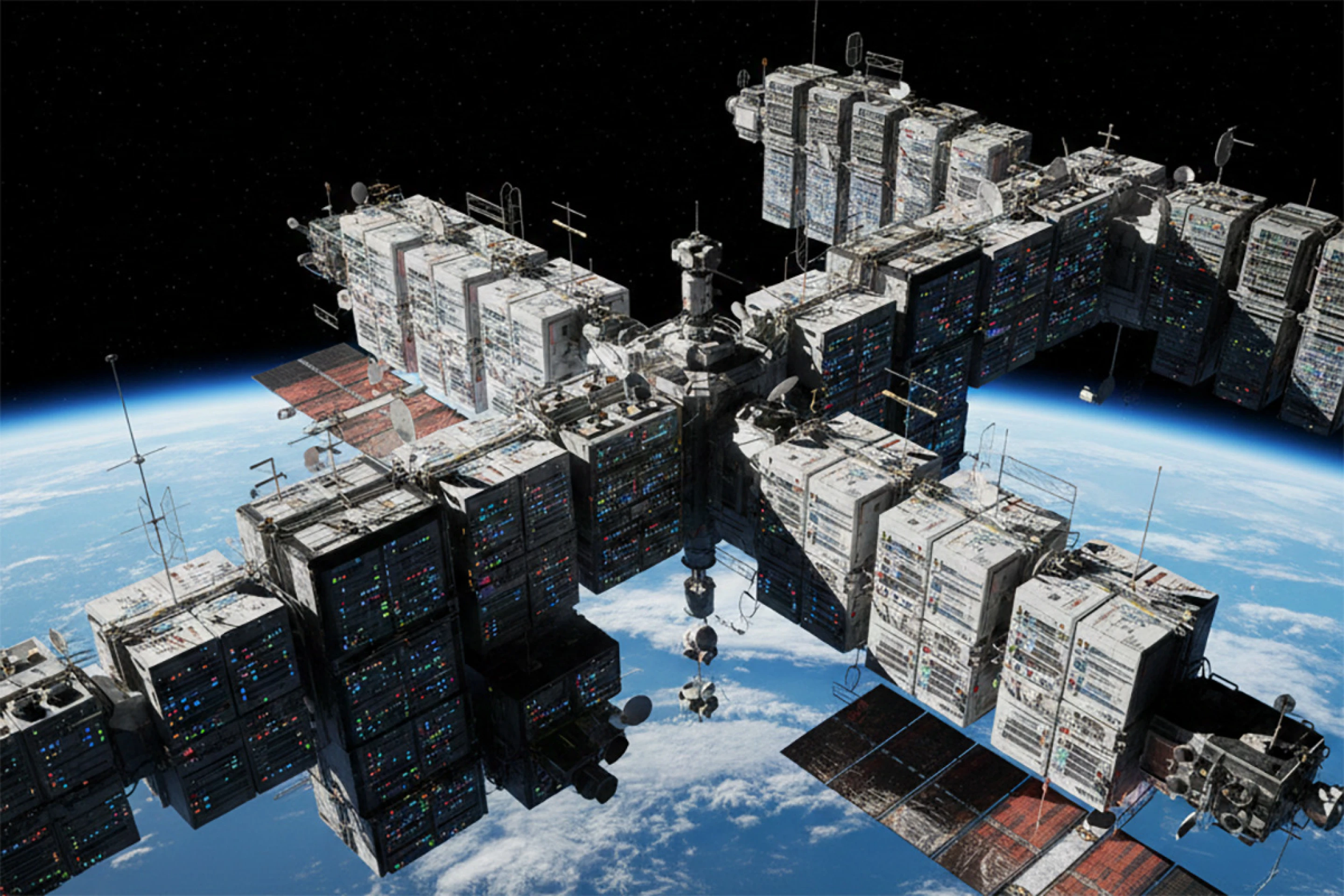
According to Google's own rigorous modeling published in Joule, Starship needs roughly 1,800 successful flights just to drop launch costs enough for space data centers to actually make financial sense. Pause on that number. Eighteen hundred. That is an astronomical volume of successful heavy-lift missions, and it point out a fundamental truth about modern tech: we love dreaming about orbital AI while ignoring the brutal, gravity-bound physics required to get us there. Hype is easy. Launching rockets is hard.
I respect the long-term vision, though. Too many companies tweak exclusively for the next quarterly earnings call or the immediate hype cycle, forgetting how to build for decades out. Google is actually doing the math on cooling, power budgets, and laser links for a world that hasn't been built yet. Whether we'll see server racks floating above our heads in ten years is anyone's guess. I'm just glad somebody is paying attention to the actual engineering constraints instead of just writing sci-fi fan fiction, until then.