The Mounting AI E-Waste Crisis Nobody Wants to Talk About
We are hyper-focused on the carbon footprint of machine learning, but the coming mountain of toxic silicon hardware might be an even bigger catastrophe....

Everybody obsesses over carbon emissions. Massive models drink power by the gigawatt, and local grid strain is terrifying. Yet we completely ignore the physical hardware pileup coming due right now.
A sobering new industry report dropped numbers that should stop every technologist dead in their tracks: by the middle of this century, discarded AI infrastructure could generate enough electronic waste to fill twenty-three million standard shipping containers, lining up end-to-end to circle the entire globe six staggering times over with toxic heavy plastics and precious metals.
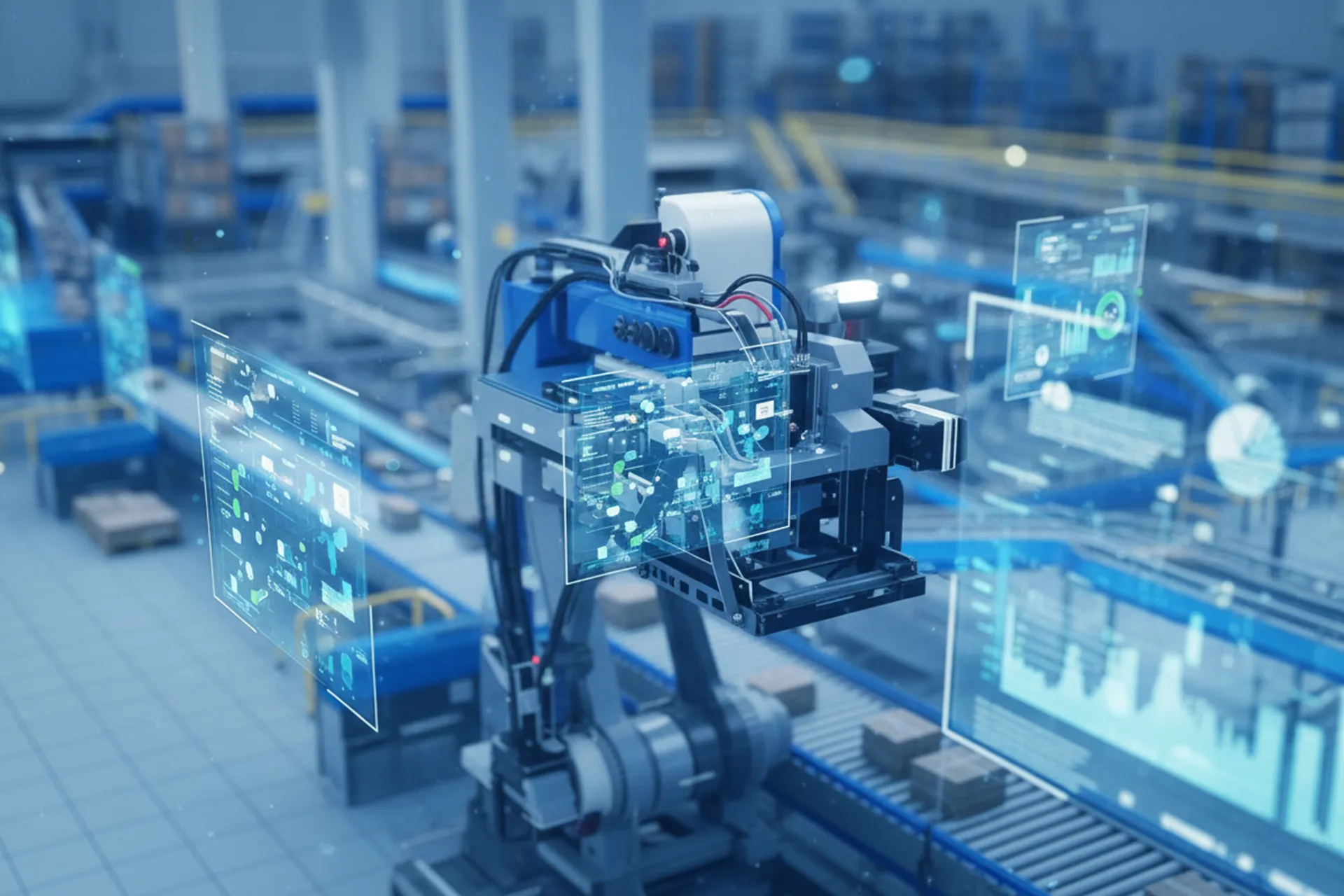
Think about relentless enterprise hardware churn for a second. Silicon becomes obsolete in months rather than decades because corporations rip out expensive specialized accelerators the absolute second a slightly faster iteration hits the market, operating entirely on the ruthless premise that the modern race for raw compute admits no prisoners.

And server farms fueling today's smart chat interfaces burn through physical elements at a blistering, unsustainable pace. When those custom clusters die, they never find a second life in a local school computer lab; instead, they instantly transform into heavily regulated hazardous waste.
Real engineering respects physical limits. If we refuse to build infrastructure designed from day one for genuine longevity, modular upgrades, and actual repairability, we are simply trading one planetary disaster for another under a shiny tech-bro guise.