How to Escape the Subscription Trap Using a $10 ESP32
Tired of paying monthly fees for hardware you already own? A humble ESP32 microcontroller is all you need to take back control....
We have officially reached peak absurdity. You buy a piece of hardware with your own hard-earned money, drag it across your threshold, plug it into your wall, and then discover you have to pay a perpetual monthly toll just to unlock its baseline functionality. It is a relentless, suffocating tax on existence. Every manufacturer wants a recurring revenue stream, turning simple physical objects into miserable little software-as-a-service rent traps.
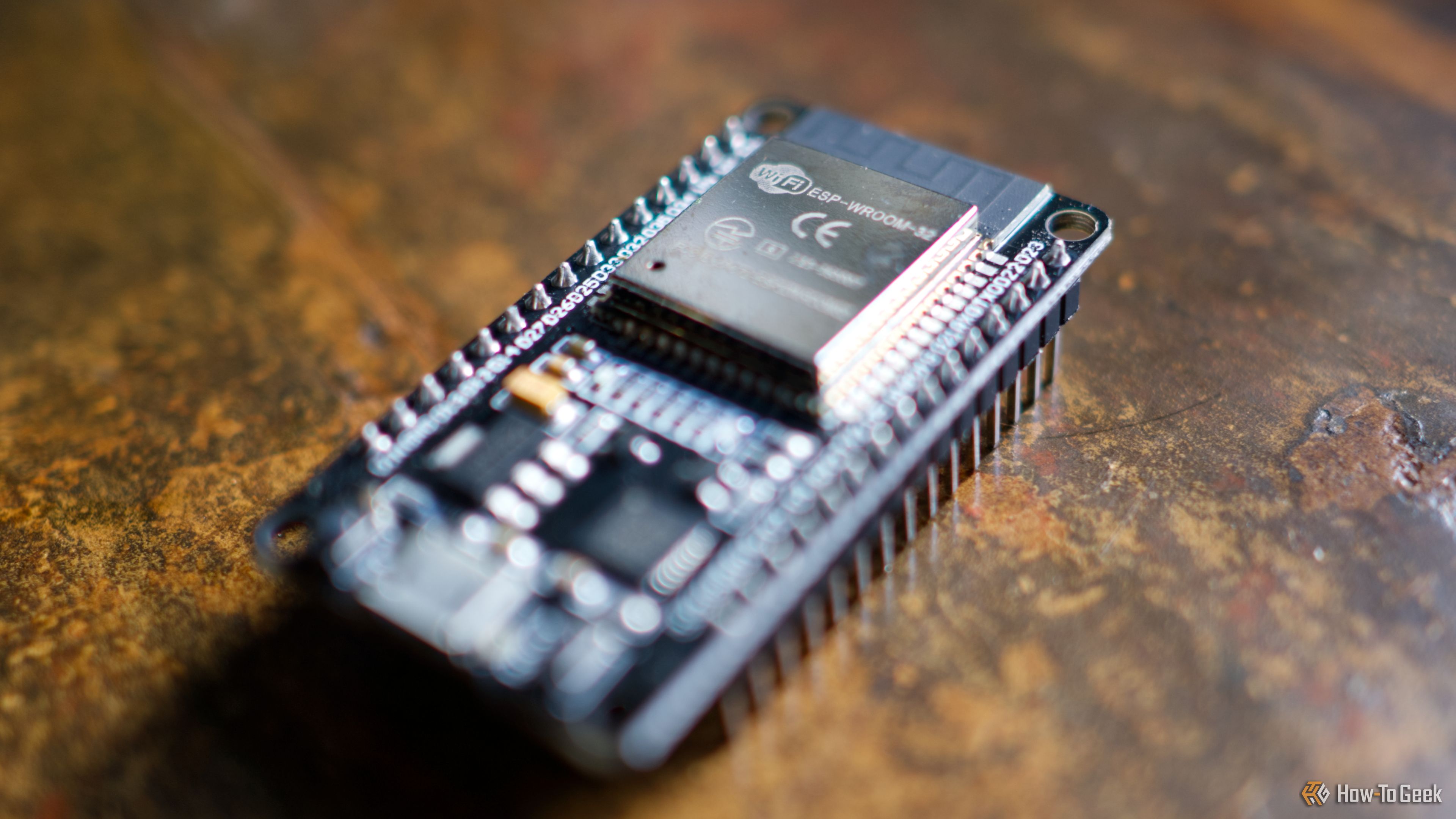
Fortunately, there is an antidote. And it does not cost a fortune or require an engineering degree. I am talking about the humble ESP32, a ridiculously capable, Wi-Fi-enabled microcontroller that routinely costs less than a fancy lunch. With a tiny bit of tinkering and some clever open-source firmware, these little chips punch way above their weight class and let you completely bypass predatory ecosystem lock-in.
The exercise equipment, for instance was connected by Take. Companies like Peloton charge a ridiculous monthly fee just to make their expensive stationary bikes remotely interesting. But if you pair an ESP32 with a stepper motor, projects like SmartSpin2k can physically turn the resistance knob on your dumb bike to match virtual hills in third-party apps, saving you hundreds of dollars a year.

The magic isn't limited to fitness gear, either. Automakers love locking remote engine start behind software paywalls, forcing you to subscribe just to defrost your windshield on a freezing morning. If you crack open an old spare key fob and wire its button contacts directly to an ESP32 running ESPHome, you can trigger a remote start from your phone for free. No monthly ransom required.
We need to stop accepting this engineered rent-seeking as normal. Good engineering respects the owner's agency, not the corporation's bottom line. The next time a company tries to put your own property behind a paywall, remember that a ten-dollar chip and a soldering iron are often all it takes to tell them no.