Building the Ultimate Note-Taking App with AI Coding Tools
I tested Claude Code, Codex, and Google Antigravity on a single open-ended prompt to build my dream note-taking app. One left the others completely in the dust....
I've zero patience for hype, i love a good engineering experiment. This entirely, lately, the barrier between a stray thought and a running prototype has collapsed. Just, you don't need a massive team or months of planning to test an itch anymore. You just need an idea, a few hours — and a terminal. You just need an idea, a few hours — and a terminal.
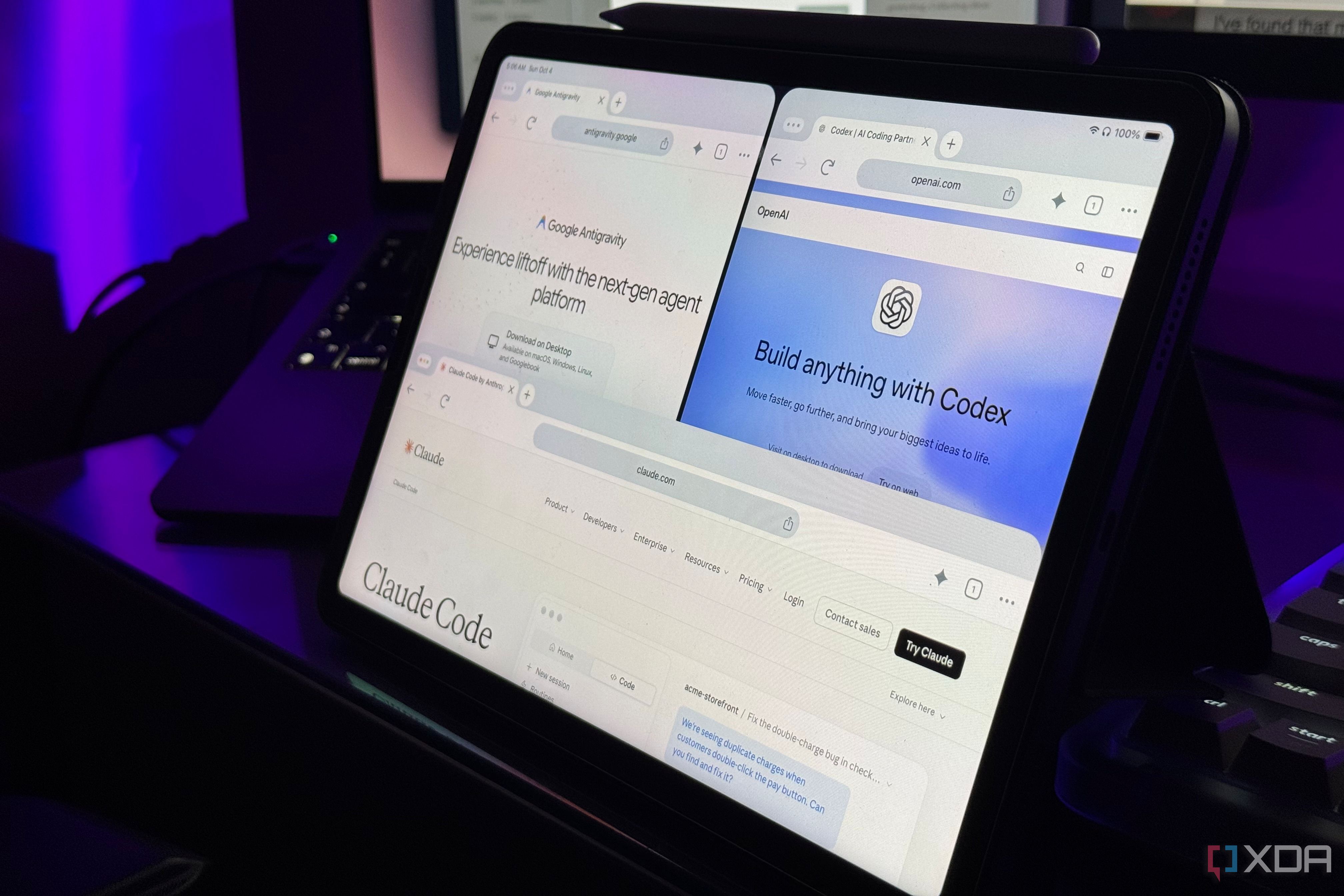
This week, I decided to build my dream note-taking app. Everyone has their personal holy grail of productivity software, and frankly, existing tools almost always fall short in some specific, annoying way. Instead of writing rigid specs, I gave Claude Code. Codex, and Google Antigravity the same loose instructions. I wanted to see how these models handled architectural decisions without hand-holding.
Most developers focus entirely on instruction-following, but that misses the point. Anyone can follow a checklist. What fascinates me is creative problem-solving under ambiguity: how does an AI structure state management, what trade-offs does it make for maintainability, and does it build something I would actually want to open every morning?
Codex took the crown. OpenAI's latest models have shifted the baseline dramatically, leaving older favorites playing catch-up. It understood the assignment on a deeper level, delivering clean code and genuine architectural insight that turned a random afternoon experiment into a surprisingly solid foundation.