Why I Ditched Android's Private DNS for Open Source Ad Blocking
Native Android DNS filtering gets the job done, but it leaves you completely blind. Here is why I made the jump to an open source alternative....
Most people tolerate the modern web's relentless parade of intrusive pop-ups and obnoxious trackers simply because they don't know any better, but anyone who cares about their device's digital hygiene usually ends up hunting for a cleaner solution. Android ships with a built-in Private DNS toggle that lets you point your traffic to a third-party filtering provider. Is fine if you want a zero-effort setup that silently scrubs away a chunk of domain requests without requiring you to touch a single additional app. Funnily enough, yet, relying on a black-box DNS sinkhole means trading one set of opaque systems for another. Forcing you to blindly trust a remote server while giving you zero insight into what is actually hammering your hardware behind the scenes.
That total lack of visibility drove me nuts, especially when legitimate apps started breaking and I'd no earthly idea which blocked endpoint was causing the failure. Native settings give you no local logs, no granular controls, and precious little flexibility to tweak blocklists on the fly, reducing your ad-blocking strategy to a blunt instrument that either blocks everything indiscriminately or tells you nothing at all when things inevitably go sideways. I wanted actual control over my network traffic, not just another corporate-adjacent resolver acting as a middleman.
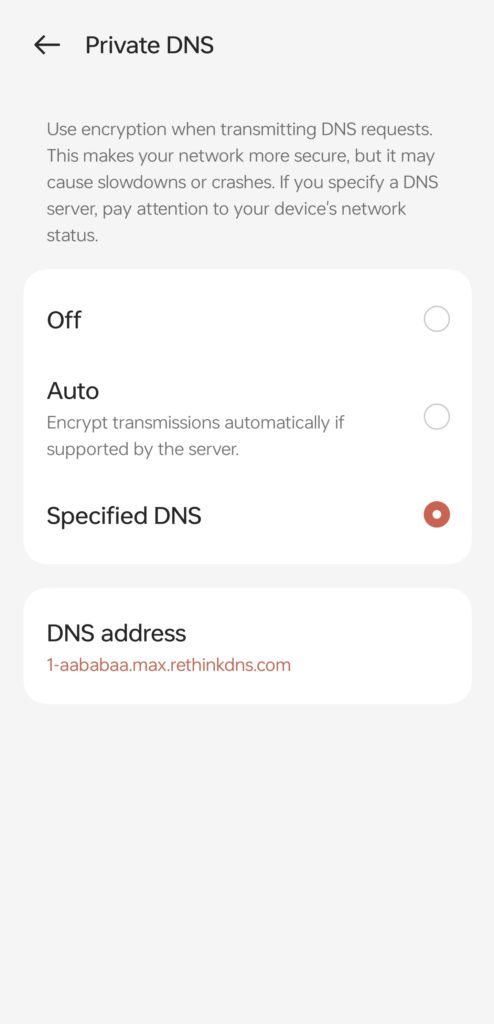
Switching to RethinkDNS completely changed how my phone handles outgoing connections, trading that sterile native toggle for a deeply customizable, fully open source firewall that actually respects the user's intelligence. Instead of guessing why a mobile client suddenly refuses to load assets, I can inspect every single DNS query generated by my apps in real time, apply granular blocklists tailored precisely to my workflow. Even toggle off those infuriating cookie consent banners that ruin half the mobile web. It feels like getting the keys back to your own hardware instead of renting space in someone else's walled garden.
Sure, digging into profiles like RDNS Plus adds a tiny bit of friction compared to flipping a single switch in the system settings. But the trade-off is more than worth the minuscule learning curve. When software stops treating you like a passive consumer and starts giving you transparent. Hackable tools to shape your own digital environment, it reminds you why independent assets and proper engineering will always beat out lazy defaults.









