Microsoft Just Blew Up the Pricing Model for Speech Recognition with MAI-Transcribe-2
Microsoft dropped MAI-Transcribe-2 at a jaw-dropping ten cents per hour, instantly undercutting OpenAI, Google, and ElevenLabs while proving their independence strategy is moving at breakneck speed....

Ten cents per hour. Let that number rattle around your brain for a second. When Microsoft dropped MAI-Transcribe-2 this week, they didn't just release another incremental speech-recognition update; they detonated the pricing models that boutique API vendors have relied on for years, slashing their own five-month-old rates by roughly seventy-two percent and leaving legacy competitors scrambling to find a response to a race-to-the-bottom that just hit hyperdrive.
For years, standard firm transcription meant dealing with bloated line items that required tedious internal sign-offs. Mainly when you factored in mandatory add-ons like speaker diarization, word-level timestamps, and domain-specific keyword biasing. But Microsoft bundled all of that foundational complexity directly into the base product. Throwing in features like automatic language detection. Intelligent code-switching for multilingual environments, and granular output styles that toggle effortlessly between literal compliance transcripts and clean captions.
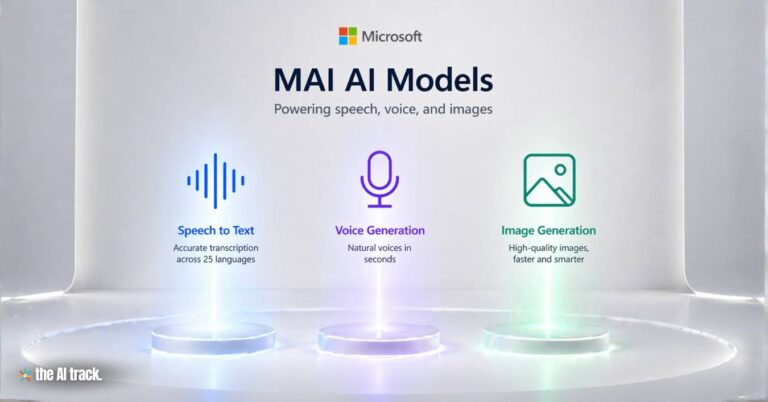
What makes this release genuinely fascinating isn't just the aggressive cost-cutting or the feature parity with expensive specialty tools. It represents a much broader, highly calculated execution of Microsoft's quiet pivot toward building out an entirely independent stable of frontier-class models, methodically replacing the very OpenAI infrastructure they poured thirteen billion dollars into cultivating, modality by modality, until their own internal stack handles everything.
If you're a small team or an independent developer building audio-heavy apps. This dynamic shift is a massive win that permanently erases what used to be a prohibitive cost barrier. We are watching the big players tear down their own walled gardens out of sheer competitive necessity. And while the ensuing corporate turf wars are exhausting to watch, the raw engineering wins they leave in their wake are impossible to ignore.