GPT-6 Astra and the Reality of Automated Data Visualization
OpenAI's latest model promises to fix automated data viz, but we need to look past the marketing gloss to see what changed....
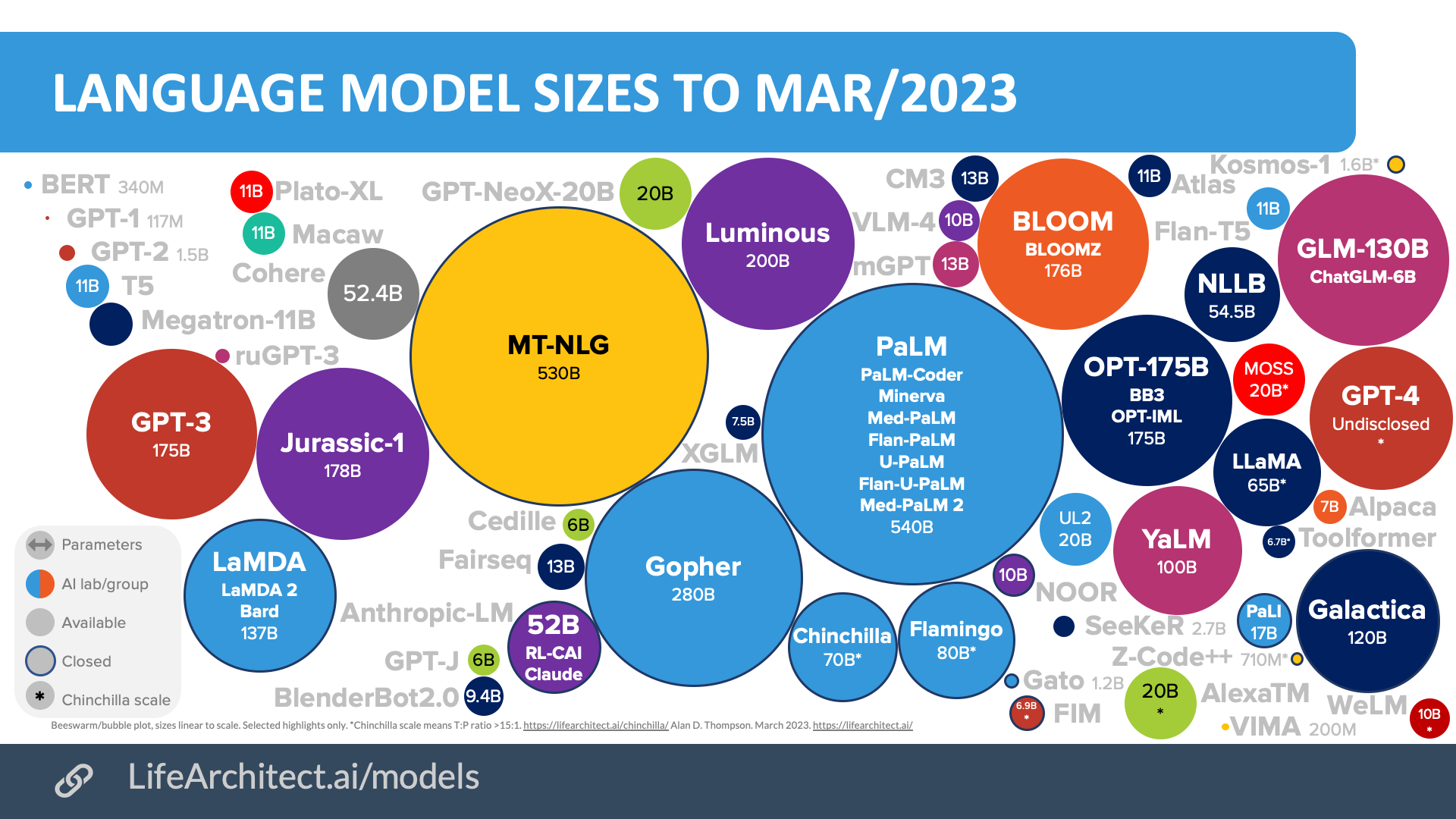
Let's be honest about LLMs and data visualization. Until recently, asking an AI to build a chart usually resulted in a garbled SVG or a rudimentary Python script that looked like a default Excel sheet from 1998. It was technically code, sure. But it was rarely something you'd drop into an executive deck without heavy manual fixing.
Now Hex is leaning hard into OpenAI's new GPT-6 Astra. Claiming it finally cracks the visualization barrier. The according to their team, this model does more than just dump numbers onto a screen. It digs into underlying plotting libraries, wrangles complex geospatial transformations, and generates genuinely stronging interactive artifacts. That represents a massive leap past the hallucination-heavy chart generation we've been tolerating for years, if true.
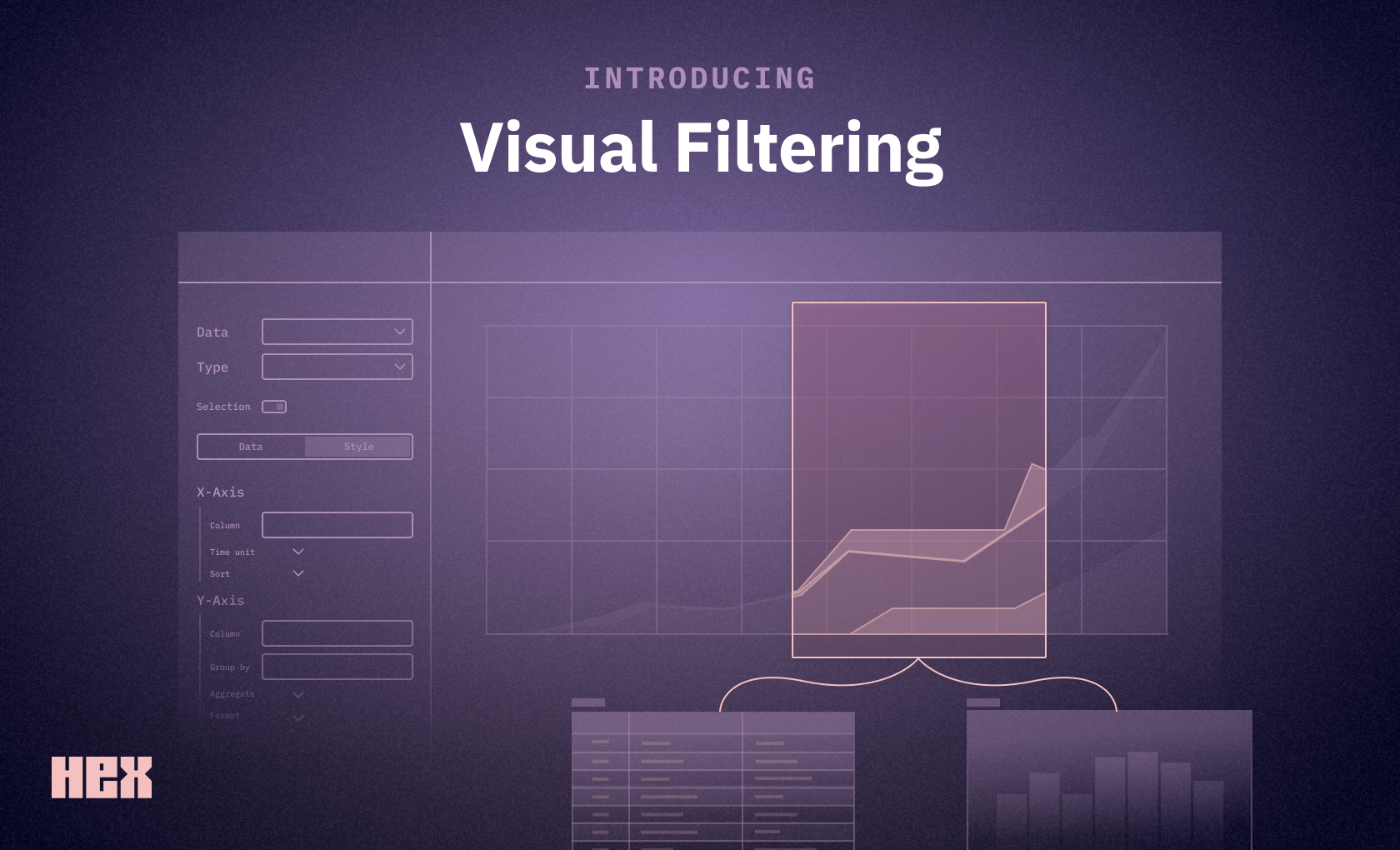
What catches my eye isn't just the pretty charts, though. It is the concept of analytical judgment. The real bottleneck in data work has never been writing the query. The bottleneck is knowing whether the output actually answers the right business question, or if it just looks convincing while leading everyone straight off a cliff.
If Astra can actually interrogate its own findings and catch its own logical gaps before serving them up, that changes the math for small teams building data tools. We will see. I remain naturally skeptical of any press release featuring glowing founder quotes, but if software can finally bridge the gap between raw data and human comprehension without a dozen intermediate steps, I am all for it.