When the Surveillance Tech Business Hits a Wall
Flock Safety is offering voluntary buyouts to its workforce as public backlash mounts over police misuse of its automated license plate readers....
Tech companies love to talk about scale until reality catches up. Flock Safety, the ubiquitous automated license plate reader outfit with a footprint spanning thousands of communities, just hit a very predictable wall. Faced with escalating public outrage and cities cutting ties by the dozen, management rolled out a voluntary severance package designed to trim headcount quietly. They call it generous. I call it damage control dressed up in human resources language.
Let’s trace how we got here. For years, this startup built a massive apparatus tracking citizen movements under the comforting banner of public safety. Then the friction started. Investigators uncovered dozens of instances where law enforcement officers weaponized the platform to stalk romantic partners and harass citizens. Municipalities noticed. Whole states started ripping the cameras out. When your product becomes a liability for the people wielding it, the growth chart inevitably flatlines.
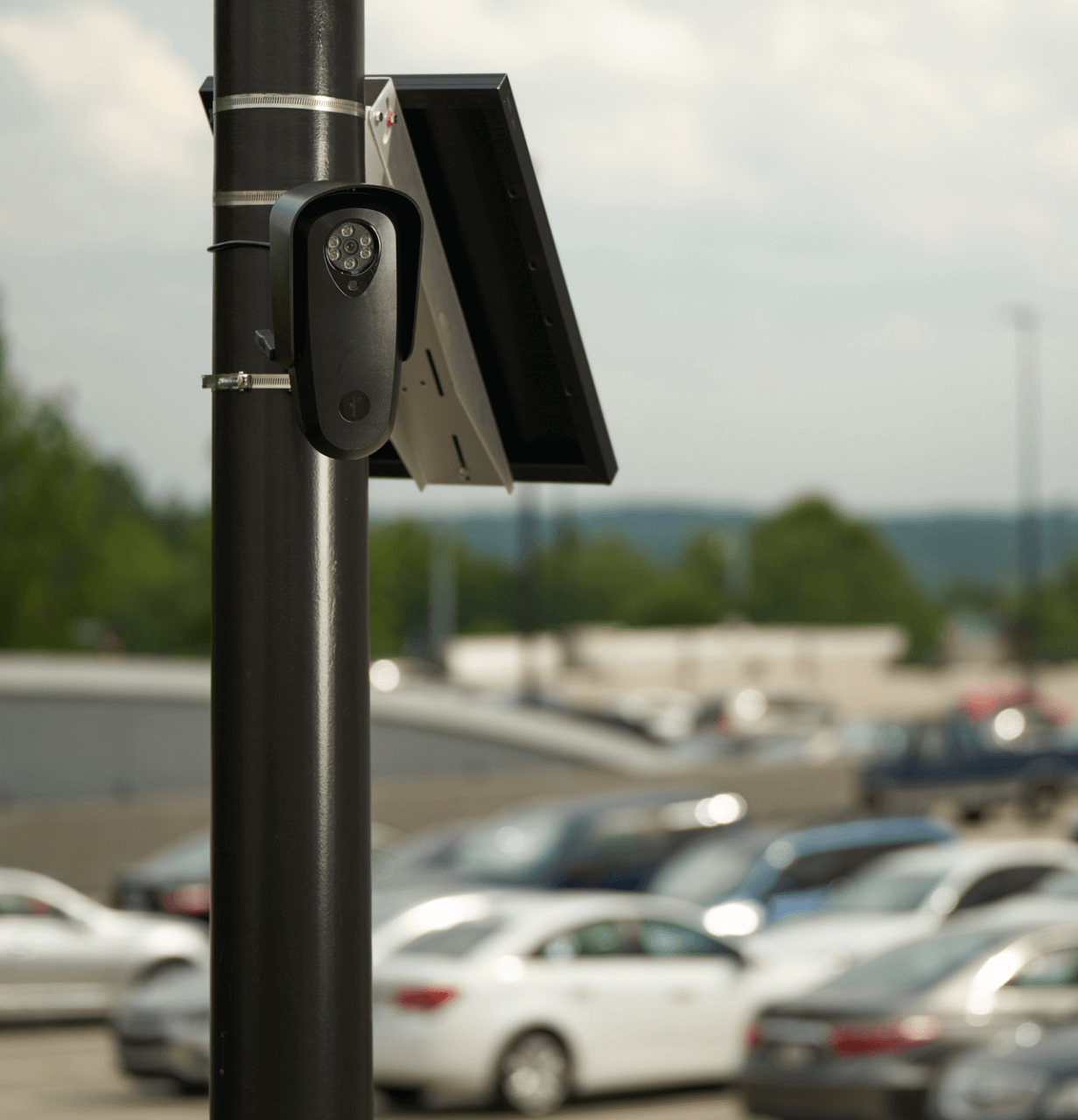
The internal memo makes fascinating reading if you enjoy corporate euphemisms. Leadership claims they are offering these exits because morale has taken a hit, while acknowledging behind closed doors that involuntary cuts were coming anyway. It is a neat trick. Give demoralized engineers a golden parachute so the executive suite doesn't have to shoulder the blame for a sinking ship. But let's be entirely honest about what is actually happening here.
Small teams building craft-driven software live, which die by their alignment with reality. This when you scale up on the back of hyper-growth metrics. You can spin voluntary departures however you like in an all-hands meeting, but you cannot outrun the effects of developing tools that people actively want dismantled. You can spin voluntary departures however you like in an all-hands meeting, but you cannot outrun the consequences of developing tools that people actively want dismantled. Speaking of which, good engineering solves real problems. Sometimes, the market reminds us that some problems simply shouldn't be solved.









