CUDA Toolkit 13.4 Arrives: Windows on Arm and Rubin Previews Change the Game
CUDA Toolkit 13.4 quietly drops massive updates, bringing native Windows on Arm support, early Rubin architecture hooks, and modernized MPS V3 resource controls....
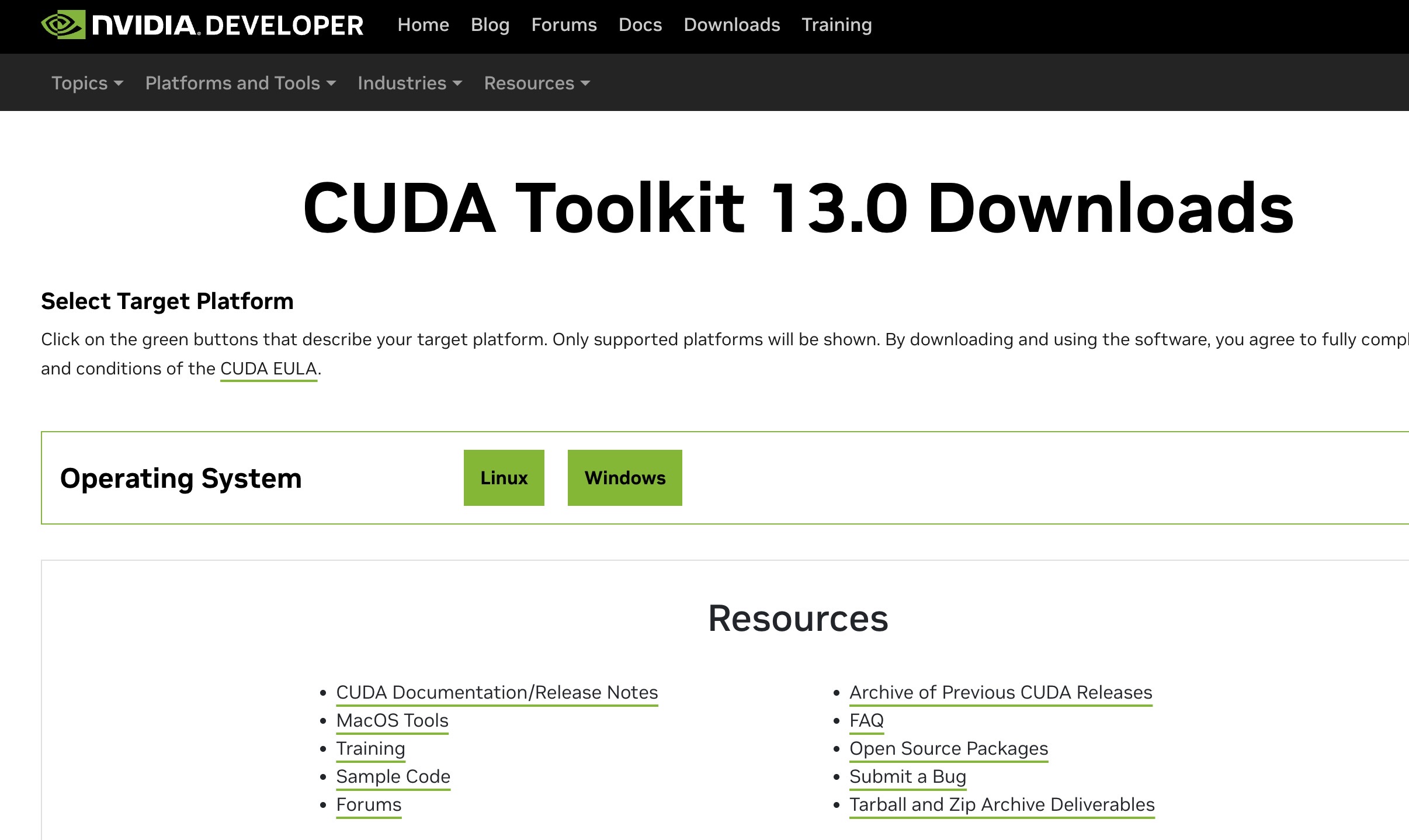
NVIDIA just shipped CUDA Toolkit 13.4, and honestly, the release notes carry more weight than usual. For years, if you wanted to run serious CUDA workloads on Arm, Linux was your only real ticket to the dance. That changes today. With native support for Windows on Arm now baked into the toolkit, developers tinkering with Snapdragon-powered laptops and alternative hardware finally get first-class citizenship. It is a long-overdue bridge between Qualcomm's growing silicon footprint and the absolute monolith that is the CUDA ecosystem.
Beyond the Arm ecosystem expansion, NVIDIA is already dangling carrots for the future. Developers can now get their hands on early previews of the upcoming Rubin architecture, well ahead of general availability. I love a good early preview. It gives builders a chance to break things, refactor codebases, and optimize algorithms in staging environments before the hardware actually hits racks. Rubin is clearly positioned as the engine for agentic workflows, meaning the underlying compute model are shifting toward multi-step reasoning models that demand tighter execution loops and far better memory orchestration.

Speaking of orchestration, we finally got MPS V3, and it is a massive relief for anyone who's ever tried to share a single GPU across unruly containerized workloads without everything crashing. The new control layer swaps out clunky old scripts for a modernized, scriptable CLI backed by TOML configuration files, cgroup memory limits, and explicit SM partitioning. You can now carve up hardware boundaries programmatically. It treats GPU compute like real infrastructure instead of a fragile black box.
Then there's the CUDA Compute Fabric Transport, which is frankly a bit of low-level wizardry meant strictly for library authors and setup nerds. I mean, it a key point! And what's the result? Still, by letting software target named logical endpoints over NVLink fabric instead of bloating process virtual address spaces, it tackles memory pressure at massive scales. Never, most application builders will touch CFT directly, relying instead on NCCL or NVSHMEM — if that makes sense. But knowing the plumbing is getting this strong underneath gives me genuine confidence in scaling out large multi-node clusters. But knowing the plumbing is getting this strong underneath gives me genuine confidence in scaling out large multi-node clusters — in a way.