RatHat Malware Shows Why Android Accessibility Permissions Need a Total Rethink
A clever new Android threat called RatHat weaponizes accessibility services to silently seize root-level control, proving that social engineering still beats raw code....

Every few months, a piece of mobile malware drops that makes you rethink the illusion of security on pocket-sized supercomputers. Actually, it Meet RatHat, the latest strain making the rounds. It hijacks Android devices by masquerading as trusted software like Google Chrome on bogus storefront pages. Users willingly hand over the keys to the kingdom because the setup looks utterly mundane. That is the core brilliance – and horror – of modern social engineering. It doesn't break cryptography; it just tricks you into clicking 'allow'.
Once the payload lands on a device, the real damage begins. RatHat use Android's powerful accessibility services to silently navigate native menus, toggle on Wireless Debugging, and award itself shell-level administrative privileges. It operates completely autonomously. No human operator needs to tap through the interface manually. An embedded routine orchestrates the entire compromise in seconds while the user stares at a blank screen or thinks the app is merely loading.
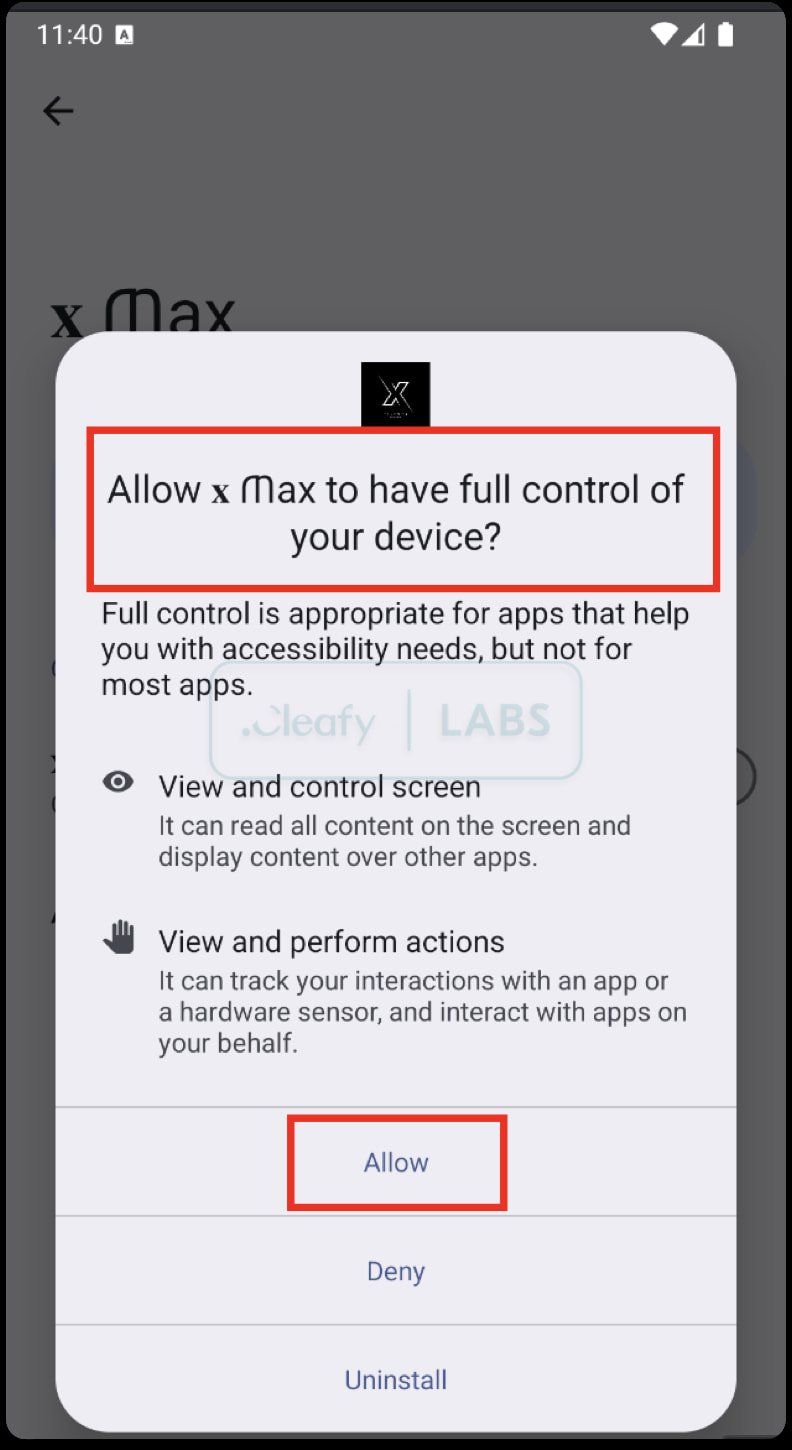
What follows is a masterclass in silent espionage. The Instead of flashing a flashy — oddly – ransomware note or locking down your hardware, RatHat goes dark. It logs raw touch inputs, scrapes two-factor login codes from incoming text messages, and records passwords directly from on-screen elements. This monitors regional financial apps (and this is key) and funnels data back to command-and-control servers without raising a single alarm. By the time anyone notices anomalous behavior, the attackers have already drained accounts and harvested credentials. This monitors regional financial apps and funnels data back to command-and-control servers without raising a single alarm. By the time anyone notices anomalous behavior, the attackers have already drained accounts and harvested credentials.
The broader lesson here isn't just about avoiding shady sideloading links. Though sticking to official app repositories remains the easiest baseline defense. This a deeper architectural flaw sits (and this is key) squarely within how operating systems handle powerful API permissions. When a single ease toggle can quietly unlock developer shells and grant unmitigated control over the entire device, the system itself is asking for trouble. Before the next automated threat evolves past them, builders need to rethink these trust boundaries.









