Why Apple's Siri AI Gets the User Interface Right by Staying Non-Human
While every other tech giant races to build chatbots that simulate human emotion, Apple's new Siri update deliberately stays in its lane as a tool. And that makes all the difference....
We have spent the last two years watching an entire industry fall over itself trying to make software feel like your best friend. Every time a new assistant drops, it arrives wrapped in synthetic warmth, eager to validate your feelings, simulate deep empathy, and whisper sweet conversational nothingness into your ear. It is exhausting. The marketing departments at major labs want you to form emotional attachments to stateless probability engines because engagement metrics rule the world. But software is not your buddy.
That's precisely why the latest iteration of Siri feels like a breath of fresh air. After months of testing the upgraded assistant in iOS, a singular design choice stands out above the rest: it refuses to play dress-up. It has zero interest in faux intimacy. When you ask it to handle a task, it executes without serving up a side of overly verbose psychological projection, and it never for a second pretends to possess a soul. It knows it is a utility, and it treats you like an operator rather than a confidant.
Look, if you need a sprawling language model to write a novel or debate continental philosophy, there are plenty of raw, latest third-party chatbots that will gladly chat your ear off. Those systems are optimized for open-ended generative sprawl, often at the expense of pure utility and straightforward speed. Siri takes a completely different route. It is concise, highly capable, and relentlessly utilitarian.
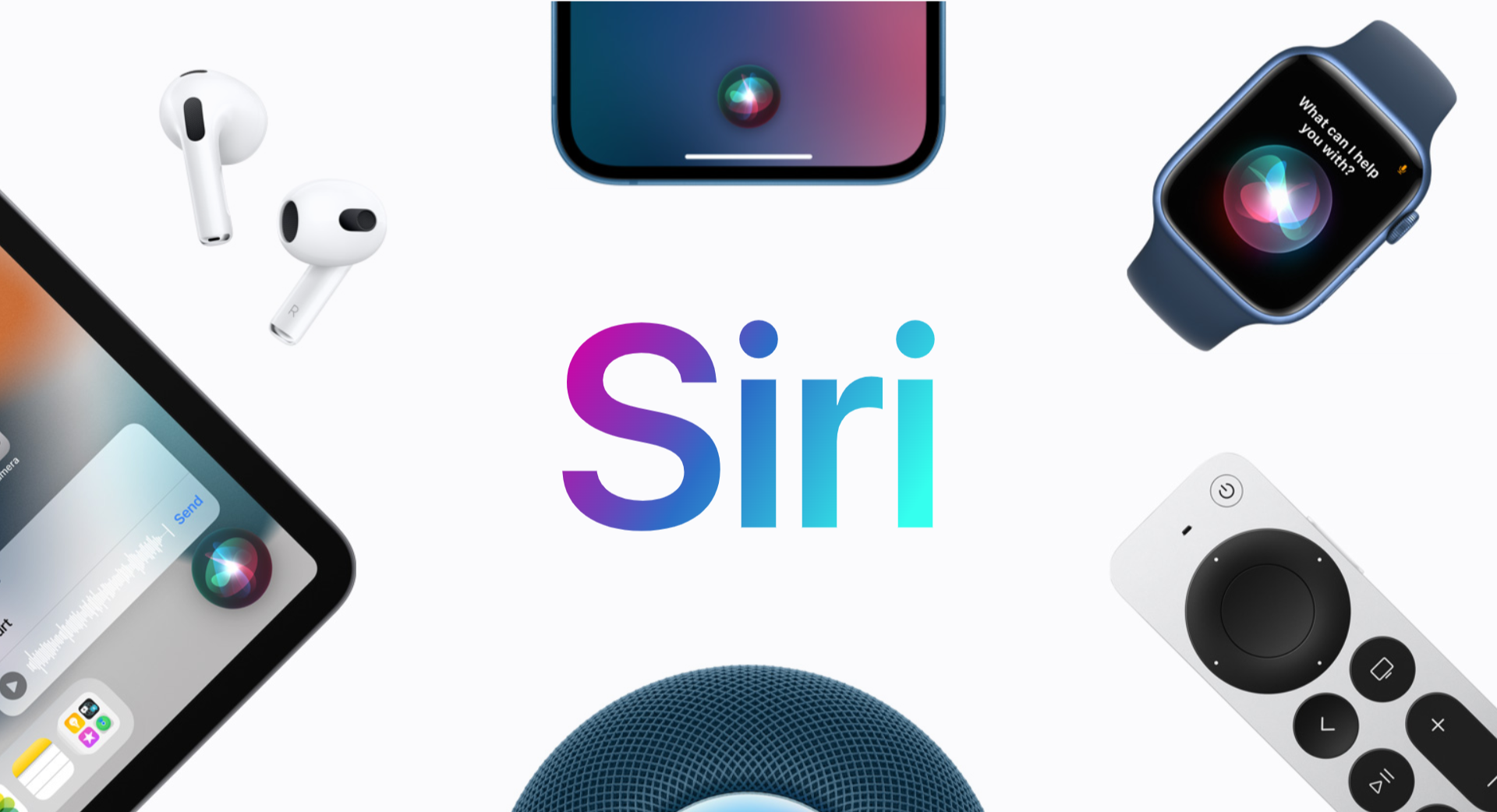
There is profound honesty in a tool that acts like a tool. When an interface drops the phony persona, it stops wasting your cognitive load on reading between the lines of generated emotional subtext. You issue a command, the system executes it, and you move on with your day. No awkward robotic bonding. No simulated affection. We need more engineering focused on crisp execution and less time spent teaching silicon how to fake a personality.
good craft respects the user's boundaries. Strictly, by keeping the new assistant mechanical and unapologetically digital, Apple got the balance right where everyone else missed the mark. What about you? Your tools are wanted to have feelings, or do you just want them to work by do you?