The Pentagon Wants an AI-Powered Lie Detector, and That Should Terrify Us
The US military is funneling millions into biometric polygraphs. It's bad science wrapped in expensive tech....

Every few years, someone tries to digitize snake oil. The latest culprit is the Department of Defense, which just earmarked over thirty million dollars across five years to build a supposedly advanced, AI-powered lie detector. Because if standard polygraphs are famously unreliable – essentially glorified stress indicators that can be tricked by a thumbtack in your shoe. Surely throwing neural (worth noting) networks at the problem will fix it.
I think this is absolute nonsense. If you just throw enough computing power at it, the premise itself is fundamentally flawed, resting on the lazy assumption that human deception leaves a neat, quantifiable digital footprint. It doesn't. We are messy, anxious creatures, and treating physiological spikes like a binary truth flag is dangerous pseudoscience dressed up in tactical gear.
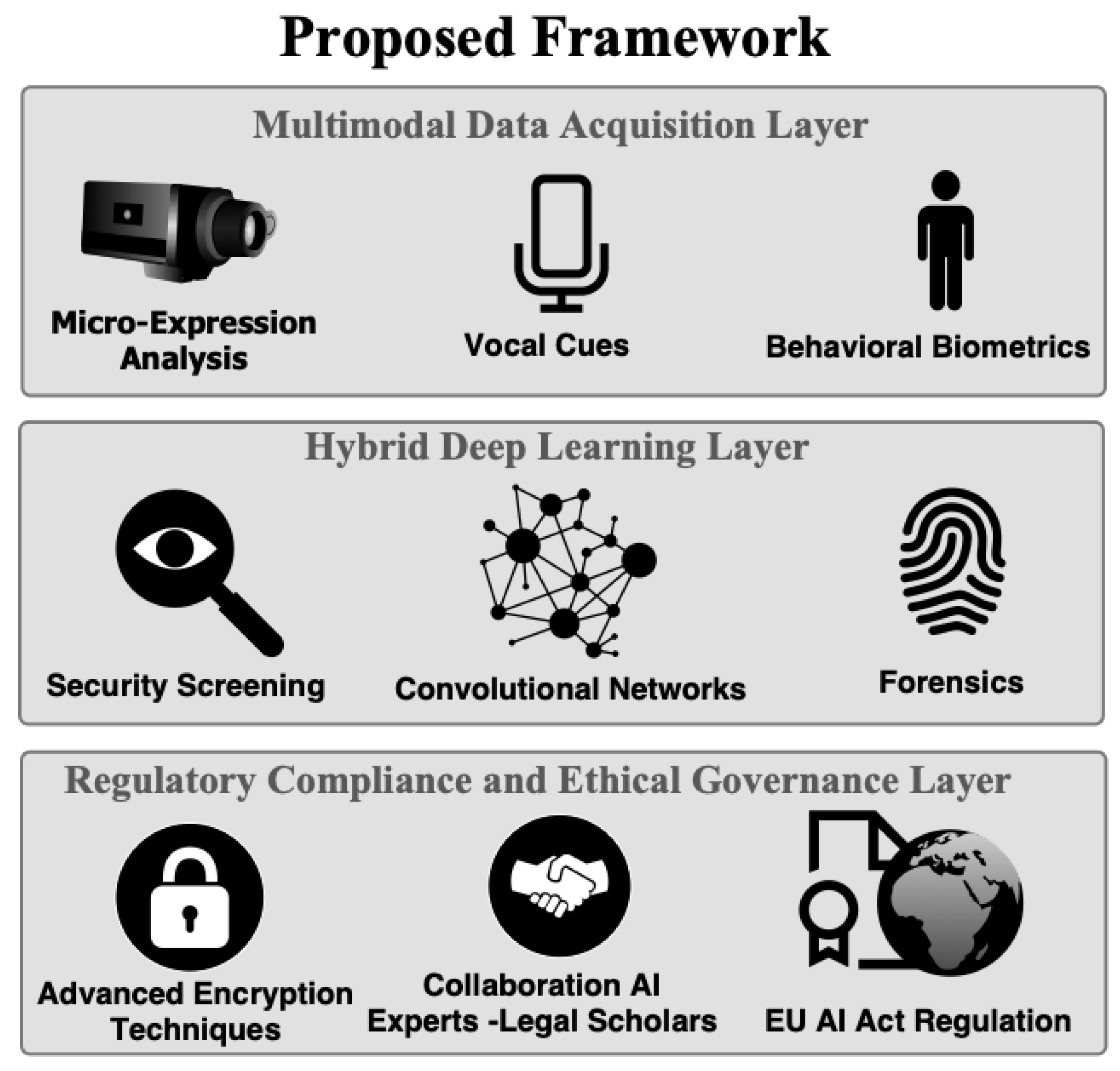
What frustrates me most isn't just the wasted taxpayer — and this matters — money. Though thirty million could fund an awful lot of actual, high-impact engineering instead of chasing sci-fi ghosts. This It's the persistent corporate and governmental delusion that machine learning is some kind of magical truth serum. When you feed noisy, culturally biased, and (and this is key) shaky psychological data into a deep learning model, you don't get objectivity. You just get automated prejudice with a high-tech veneer.
Real builders know the limits of their tools. We understand garbage in, garbage out. Yet procurement officers at the Pentagon seem utterly blind to this basic reality, opting instead for expensive theater that threatens real lives through false positives and systemic creep. We need less techno-authoritarian hype, and a lot more intellectual honesty about what code can actually do.