Solving User Identity Across Federated Kubernetes and AI Platforms
Single sign-on stops at the front door. Here is how engineering teams are actually keeping user identity intact as workloads jump across multi-cloud clusters and AI pipelines....
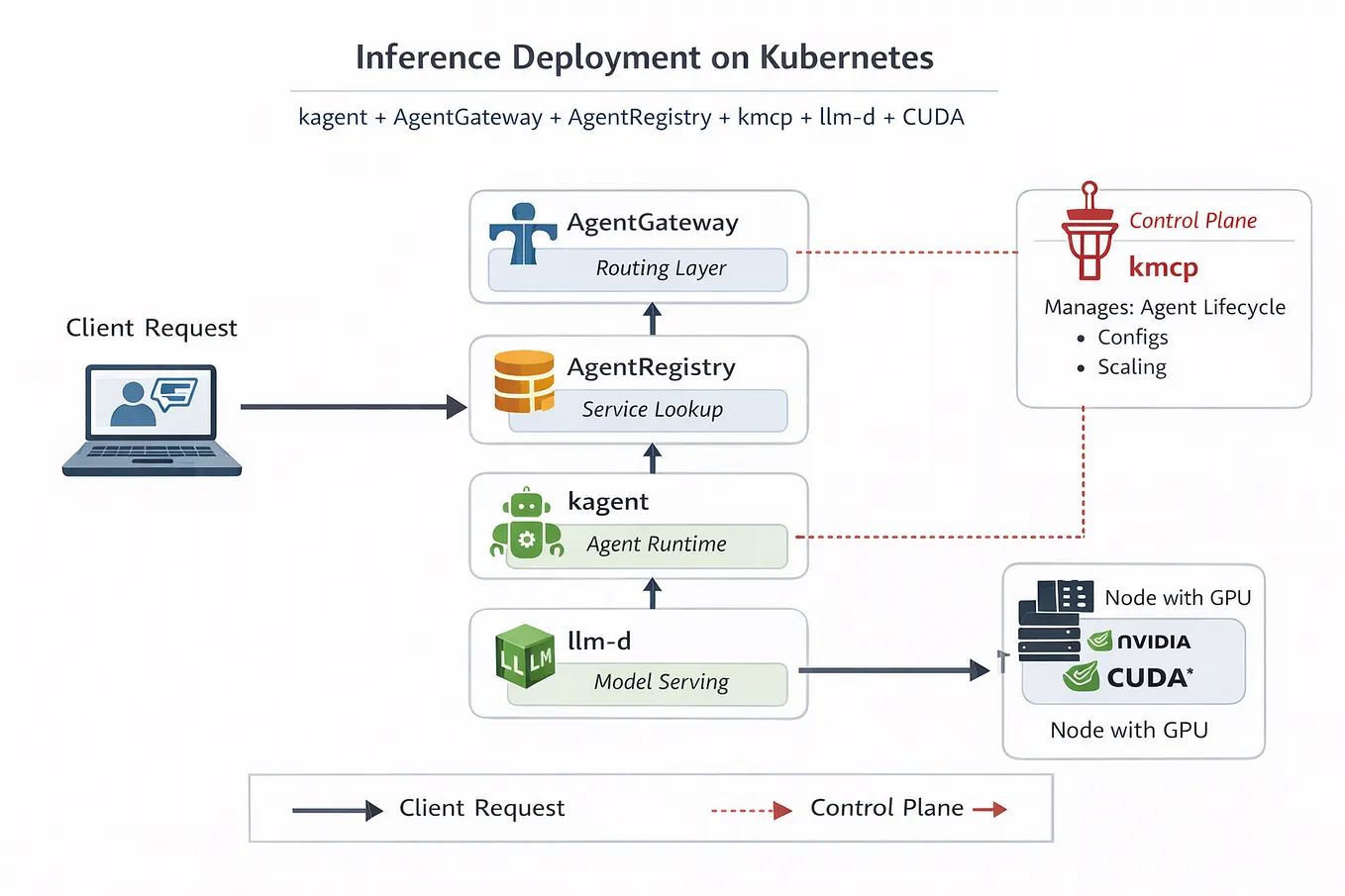
Most modern AI stacks are distributed nightmares masquerading as unified products. A user logs into a sleek central dashboard, spins up a remote notebook, and triggers an autonomous agent that pings three entirely separate backend services across different cloud accounts. The interface feels cohesive. The underlying plumbing, however, is a mess of trust boundaries, cross-cluster handoffs, and credential juggling.
The core architectural friction here is simple. Single sign-on proves who you are at the front door. It completely fails to answer how that identity survives deep inside distributed execution environments. When your machine learning workloads, data catalogs, and query engines live scattered across federated Kubernetes clusters, treating OAuth tokens like hot potatoes is a recipe for security debt. You cannot just pass raw user tokens down the line without blowing up your revocation strategy and overwhelming your identity provider.
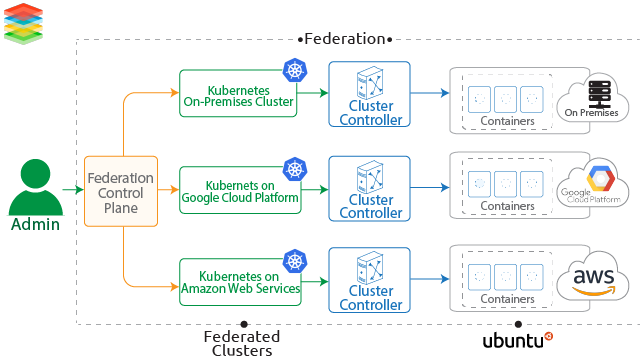
Instead of forcing every downstream cluster to reinvent authentication logic, the pragmatic fix is a central identity gateway pattern. The central gateway owns the user session, while lightweight data-plane gateways validate that session on the fly and translate it into a trusted local context for whatever tool is actually running the job. [IMAGE]
When NVIDIA deployed this approach across their internal developer platforms spanning AWS and OCI. They saw repeated login events plummet by over fifty percent. Importantly, more, it set up a rock-solid foundation for platform shells that actually work, ensuring AI assistants can operate with genuine delegated user permissions without leaking credentials or creating massive audit blind spots. Ensuring AI assistants can operate with genuine delegated user permissions without leaking credentials or creating massive audit blind spots.
Instead, building resilient software means respecting the complexity of distributed systems of papering over them with hype. Honestly, if your multi-cluster AI architecture treats identity as an afterthought, you're just waiting for a catastrophic leak. Fix the data-plane trust boundary now, or spend your future debugging ghost permissions.