Unlocking Nvidia Professional GPU Features on Consumer Hardware
Artificial segmentation of identical silicon has always been annoying. Here is what happens when you try to unlock professional vGPU features on an aging consumer card....
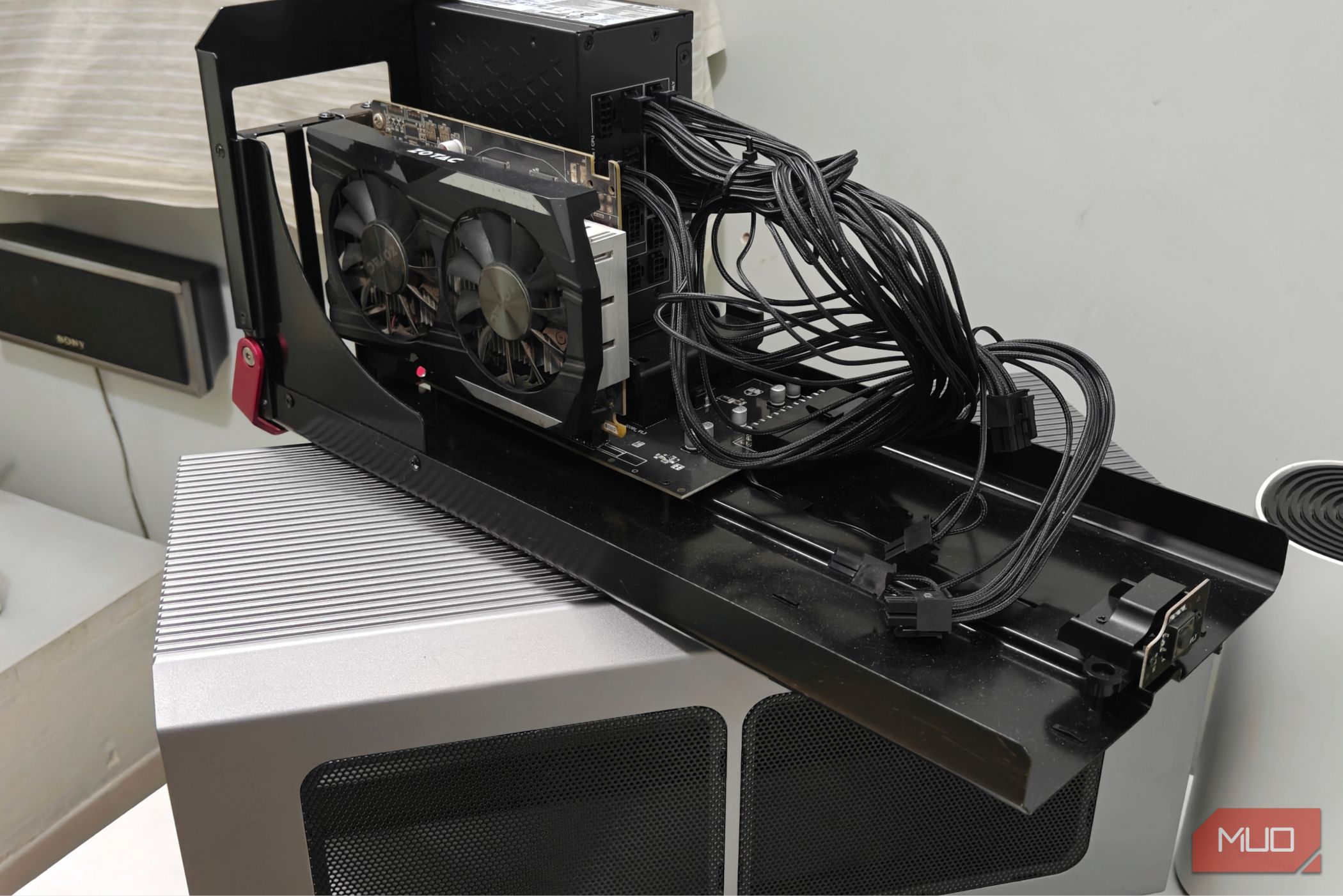
Silicon is silicon. Yet, for decades, GPU manufacturers have artificially carved up identical architectures with arbitrary software boundaries, forcing anyone who needs enterprise capabilities like SR-IOV or true hardware virtualization to pay the heavy professional tax.
This gatekeeping eventually birthed projects like `vgpu_unlock`, a clever open-source hack designed to hook into the Nvidia driver compilation process and trick the host system into believing a standard consumer card is actually a high-end Quadro or Tesla device.
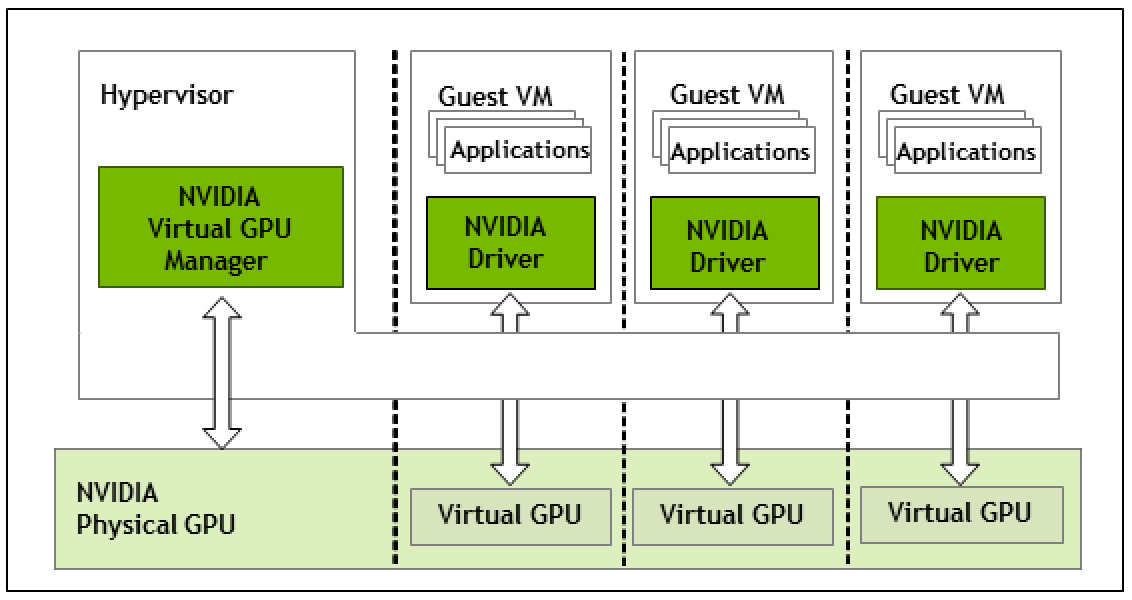
Running through this exercise with an ancient GTX 1050 Ti on Arch Linux instantly exposes the brutal reality of software-locked hardware, demanding everything from patched GRID drivers to manually downgrading your system kernel just to get the virtual machine manager to acknowledge the sliced resources.
It works, but don't expect a smooth ride. Nvidia locked down the architecture hard with the Ampere generation, rendering these tricks useless on modern RTX cards, which leaves this path as a fascinating archaeology project rather than a viable production strategy.