Snap Tries to Justify Its $2,200 Smart Glasses Again
After a disastrous debut, Snap is scrambling to give its obscenely expensive smart glasses a purpose, adding HBO Max, Spotify, and enterprise AI features....
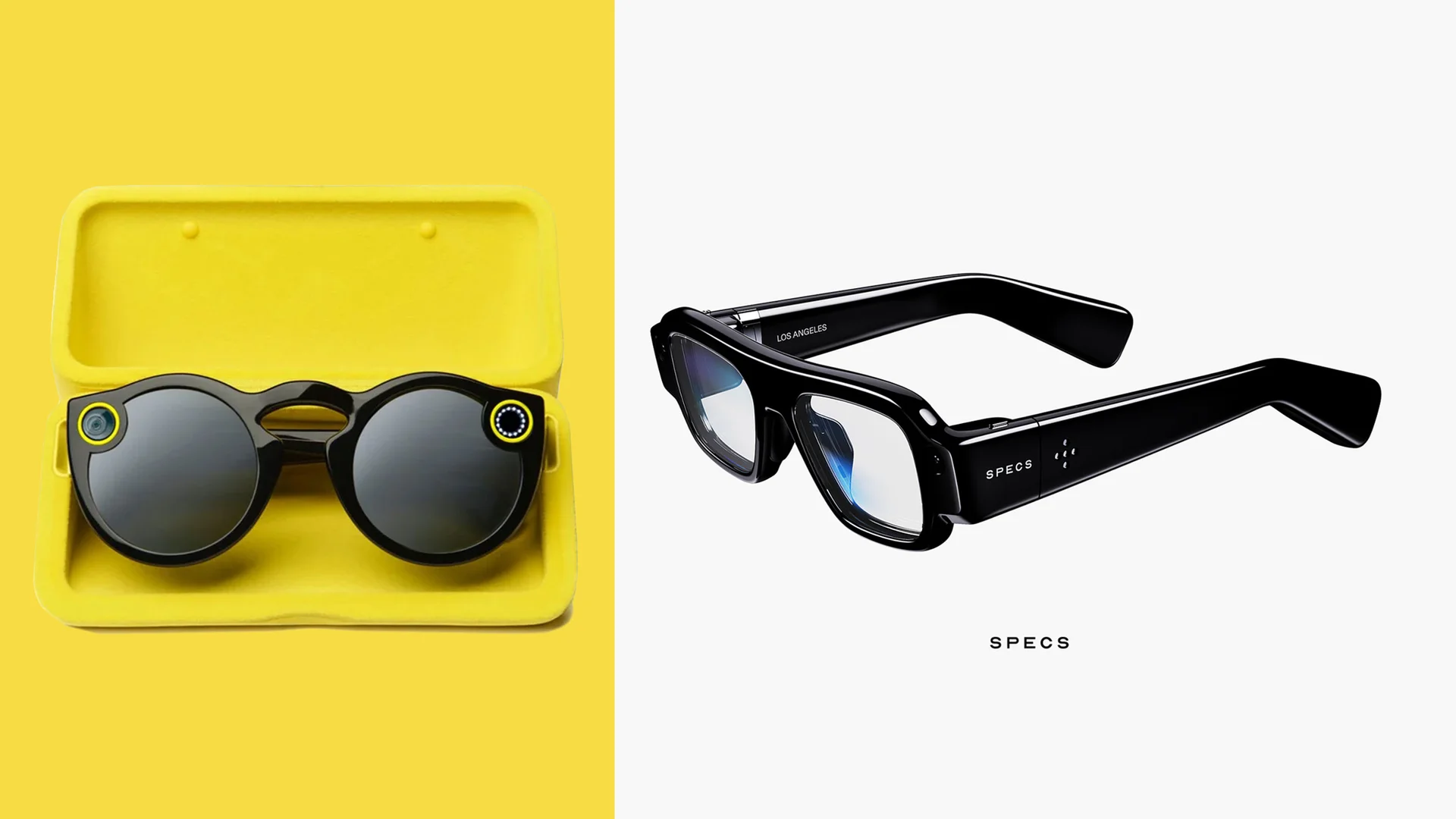
When Snap first showed off its latest smart glasses, the reception was brutal. Nobody wanted bulky hardware that looked like surplus scuba gear, carried a staggering $2,200 price tag, and triggered immediate calls for the CEO's resignation. The stock took a dive. Honestly, can you blame the market?
Ever since that messy launch, the company has been hunting for a narrative. They need a reason for this expensive machinery to exist outside a prototype lab. This week in Los Angeles, leadership finally took the stage to try and answer that existential question with a barrage of new software features, media integrations, and enterprise pivots.
The strategy includes plugging in mainstream shows like Spotify and HBO Max alongside a new system they're calling Specs Intelligence. They want this thing to act as an ambient work rate layer—or so it seems. But let's be real: calling it an AI native operating system feels like heavy spin for what amounts to a glorified productivity wrapper you can use without ever wearing the glasses. But let's be real: calling it an AI native operating platform feels like heavy spin for what amounts to a glorified productivity wrapper you can use without ever wearing the glasses.

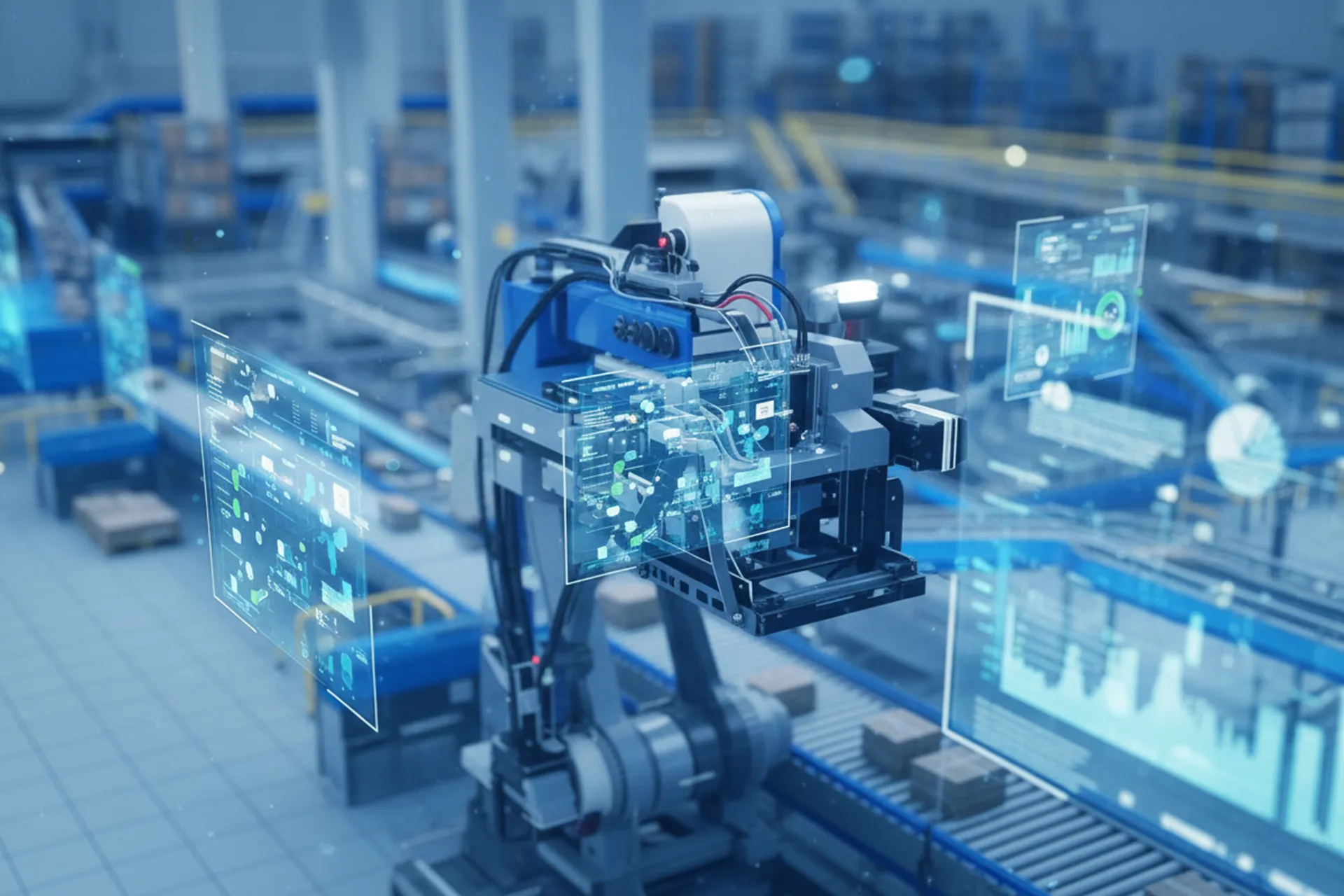
They are also pushing hard into the corporate world with Specs for Enterprise, dragging names like Nvidia and Amazon into the mix. A demo video showed an IT tech fixing hardware while wearing the headset. That is a very specific use case for a massive investment. When you have to pivot a consumer tech gadget into an IT support tool just to survive. You've to wonder if the hardware is solving a real problem or just looking for one to fix.
Good engineering starts with a genuine human need, not an expensive piece of hardware desperately hunting for a justification. Until the tech matches the price tag and the form factor stops looking like a joke, all the enterprise buzzwords in the world won't save it.