Why Opera's Built-in eSIM is the Most Pragmatic Browser Update in Years
Opera just baked a global eSIM and free data right into its Android browser. It's a clever product move that actually solves a real-world friction point for builders on the move....
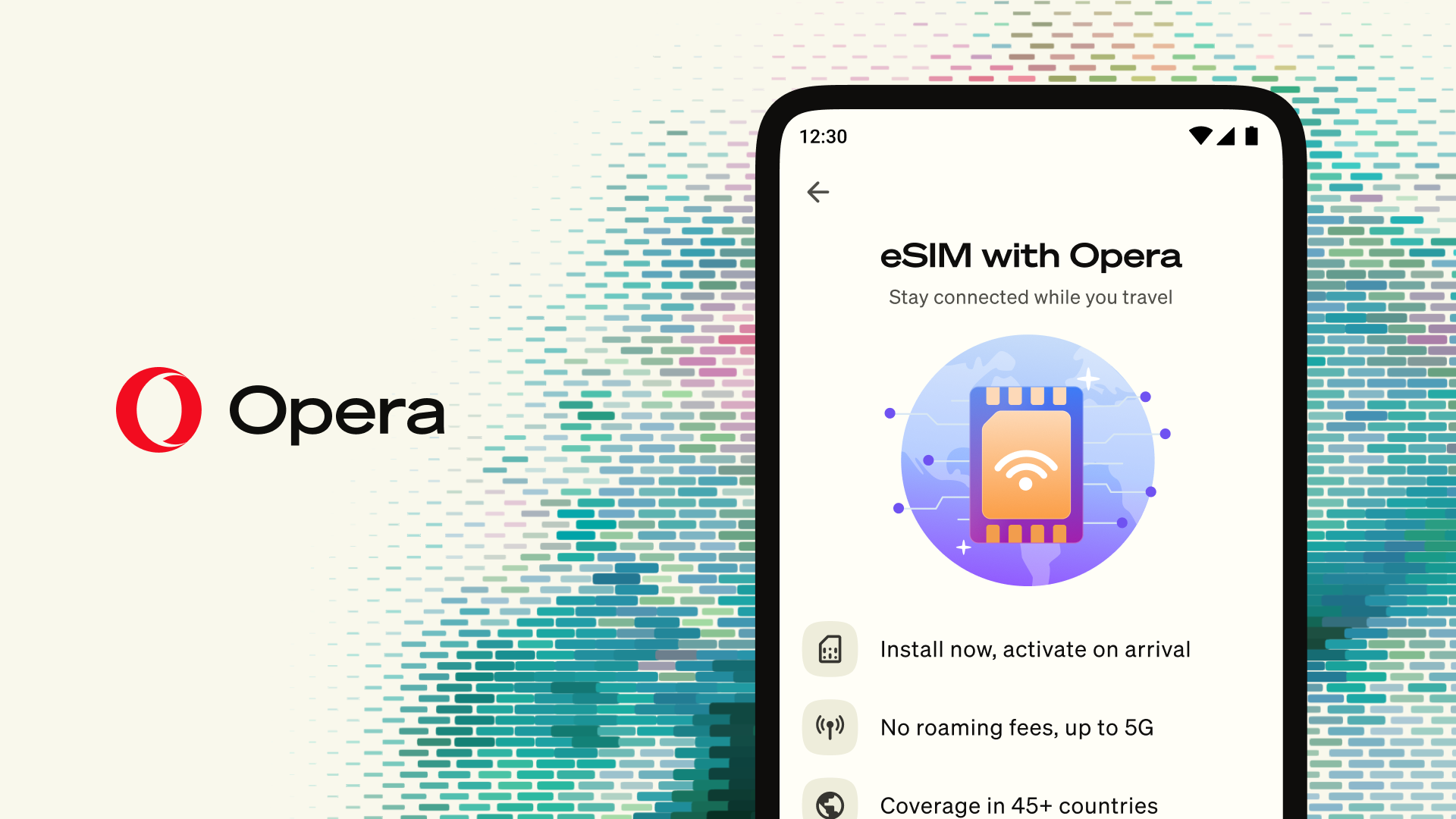
We have reached peak feature bloat in modern software. Every desktop app wants to be an AI co-pilot, every note-taking tool fancies itself a relational database, and software companies routinely bolt on useless bells and whistles just to juice their quarterly release notes. That is precisely why Opera's recent move feels so delightfully refreshing. They didn't add another chatbot. Instead, they embedded a global eSIM directly into their Android browser, completely bypassing the infuriating ritual of downloading third-party roaming apps while standing stranded in a foreign airport trying to find a shaky Wi-Fi signal.
Remarkably, the implementation is pragmatic. You open the app, claim a complimentary three-day data block spanning forty-seven countries, and your entire device gets online without handing over a credit card or dealing with shady sign-up flows. It is clever engineering that targets a genuine, universal pain point. Internationally, for anyone who builds things on the road, moves between client sites, or simply detests predatory carrier roaming fees, this is an undeniable quality-of-life win. They looked at the foundational dependency of their own product – needing an internet connection just to render a web page – and decided to own that entire stack.
Of course, the cynic in me wonders about the long-term play here. They aren't running a charity. Once that initial three-gigabyte allotment dries up, they want you buying their recurring prepaid data packages, which they claim undercut legacy competitors by a third. But frankly? I don't care about the monetization angle if the utility holds up. Software should remove friction, not invent it. When a utility tool integrates so smooth into your workflow that it eliminates an entire category of auxiliary apps from your phone, that is good design.
Will Chrome or Safari follow suit? Google has every incentive to protect its carrier relationships, and Apple prefers you funneling purchases through the App Store ecosystem rather than bypassing it via a browser utility. Yet, user expectations shift fast once a clever standard is set. Opera just proved that browsers can still evolve in surprising, deeply functional directions if the people building them focus on real-world constraints instead of chasing the latest hype cycle. More of this, please.









