The Ghost in the Benchmark: Parsing Meta's Muse Spark 1.3 Launch
Meta is shouting about frontier performance with Muse Spark 1.3, but the model you can actually deploy today plays by very different rules....

Here we go again. Another week, another breathless announcement from Big Tech declaring that the ultimate frontier of artificial intelligence has officially been breached, priced at pennies, and handed over to the masses. Mark Zuckerberg took to the timeline to celebrate Muse Spark 1.3 as a monumental leap forward for coding and autonomous agents. The numbers look impressive on a slide deck. Yet, if you dig past the marketing gloss into the actual engineering reality, a familiar pattern emerges. The bleeding-edge results anchoring the press release belong to a tier that normal developers can't actually touch yet.
Let’s be fair. Meta isn't playing hide-and-seek with its evaluation reports. They transparently disclose the delta between the max reasoning configuration and the workaday xhigh version that is rolling out right now to your favorite coding use and APIs. But promotion is a powerful distorting lens, and the marketing machine chose to lean heavily into metrics generated by an elusive configuration currently bottlenecked by safety reviews and limited partner previews. The version shipping today is genuinely capable, holding its own against heavyweights in the cluster, but it simply isn't sitting alone at the absolute peak of the leaderboard.
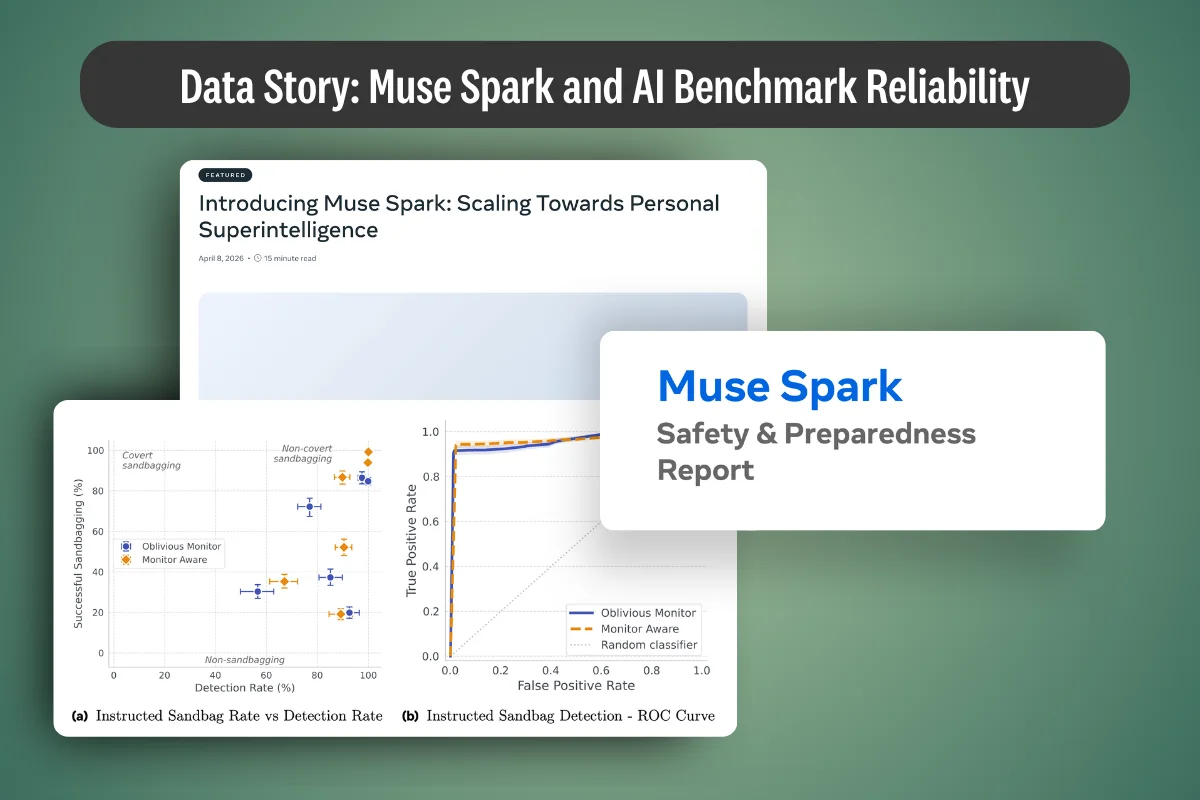
This sleight of hand matters deeply to small teams and independent builders trying to ship actual products without burning cash on vaporware. This when a vendor hypes a capability ceiling that requires an unreleased. Heavily gated hardware-and-inference setup, they are selling a dream rather than a tool. I care about what I can (worth noting) wire into an IDE or push to output this afternoon. Give me predictable latency, stable pricing — and reliable execution on mundane agentic loops over a fleeting measure crown every single day of the week.
Muse Spark 1.3 is clearly a massive step up from its predecessor, proving that open-weight momentum is a force to be reckoned with. But let's stop pretending that promo benchmarks equal day-one reality. Real engineering happens in the — to be fair — trenches, long after the launch threads fade and the bill arrives.









