Unifying GPU-Initiated Networking with DOCA GPUNetIO
When the CPU acts as a middleman for every single network packet, performance dies a slow death. NVIDIA's DOCA GPUNetIO aims to fix that....
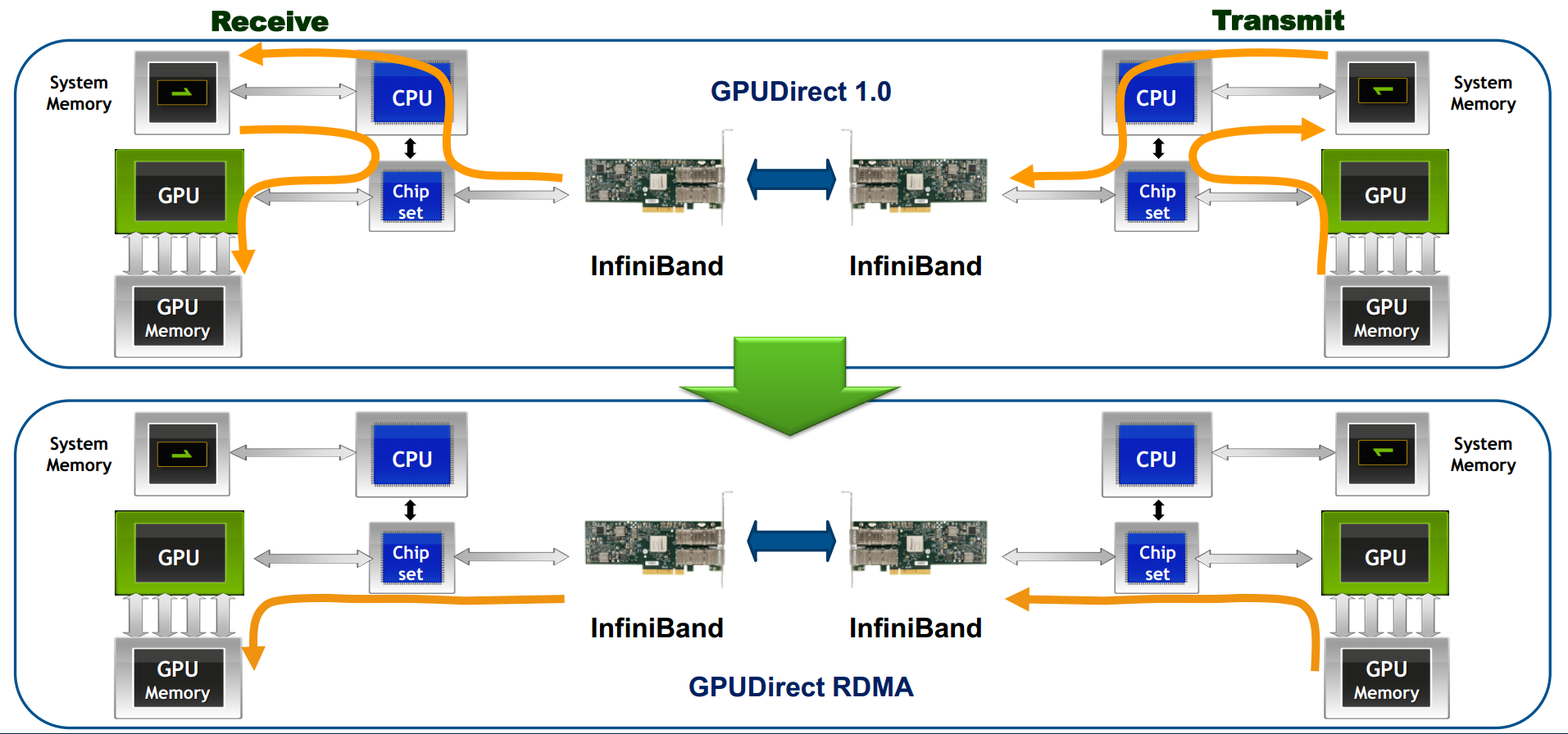
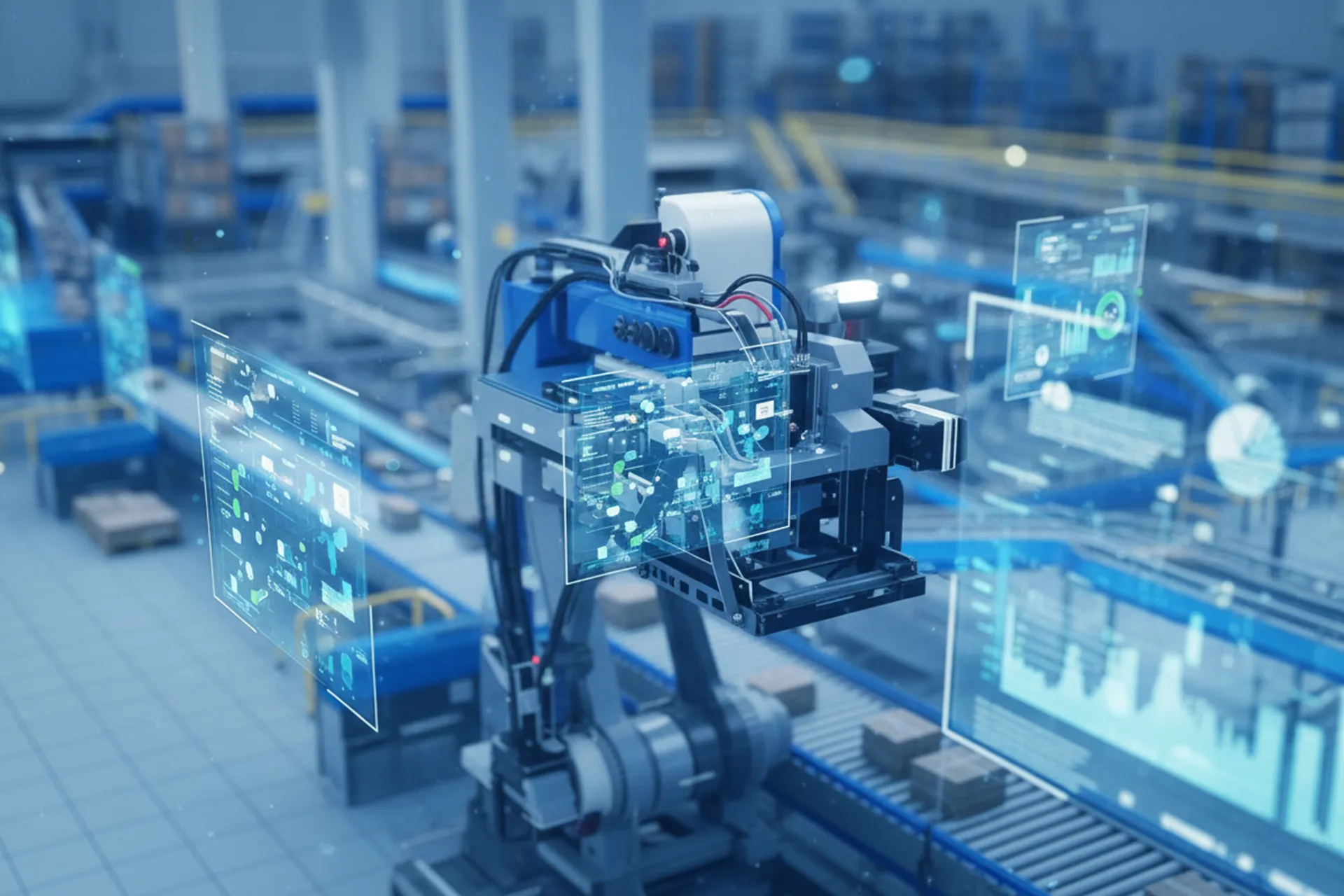
For years, distributed GPU applications have suffered from an unnecessary tax. Every time a cluster needed to push data across the wire, the CPU had to get involved. It acted as an expensive, latency-inducing traffic cop sitting right in the middle of the critical path. That approach made sense in a world where hardware boundaries were rigid, but in modern high-performance systems, routing network operations through the host processor is a glaring architectural bottleneck.
Enter DOCA GPUNetIO. By unifying technologies like GPUDirect RDMA and CUDA kernel-initiated operations, this SDK allows graphics processors to speak directly to the network interface without waking up the host processor. CUDA kernels can finally drive Ethernet, Verbs, and DMA transfers on their own terms. The result is a radically simplify data path where real-time packet processing happens at hardware speed, bypassing the host entirely.

What makes this recent architectural shift genuinely interesting isn't just the raw speedup, though. It is the consolidation. Historically, every major communication library engineered its own isolated workaround for GPU-driven networking. NCCL, NVSHMEM, and UCX each maintained proprietary, highly fragmented implementations of the exact same underlying hardware capabilities. It was a massive waste of engineering talent.
By pulling these disparate communication stacks under a single GPUNetIO umbrella, the ecosystem gets to share a common foundation. One optimization now benefits everyone simultaneously. When an entire stack converges on a shared layer rather than reinventing the wheel in isolation, the quality of the engineering naturally rises. That is how real infrastructure progress happens.