Ditching Waze: Finding Privacy-First Android Auto Navigation
Tired of trading your location data for road alerts? Here is a look at escaping the surveillance loop of mainstream map apps without losing Android Auto....
I love traffic alerts as much as the next driver, but I hate the data harvesting tax that comes attached. Every time you fire up Google Maps or Waze, a quiet, invisible transaction takes place. You get a route; they get a firehose of telemetry. It is efficient, sure. It is also deeply invasive. Lately, I have been testing out privacy-first Android Auto navigation alternatives to see if we can reclaim our dashboards from the ad networks.
The core problem isn't just surveillance. It is fragility. Mainstream mapping tools demand a constant, high-bandwidth cellular umbilical cord to function properly. Drive into a canyon or cross a rural state line with spotty coverage, and suddenly your multi-billion-dollar operating system panics. Good software should be strong. It should work when the network drops. That brought me down the rabbit hole of OpenStreetMap clients.
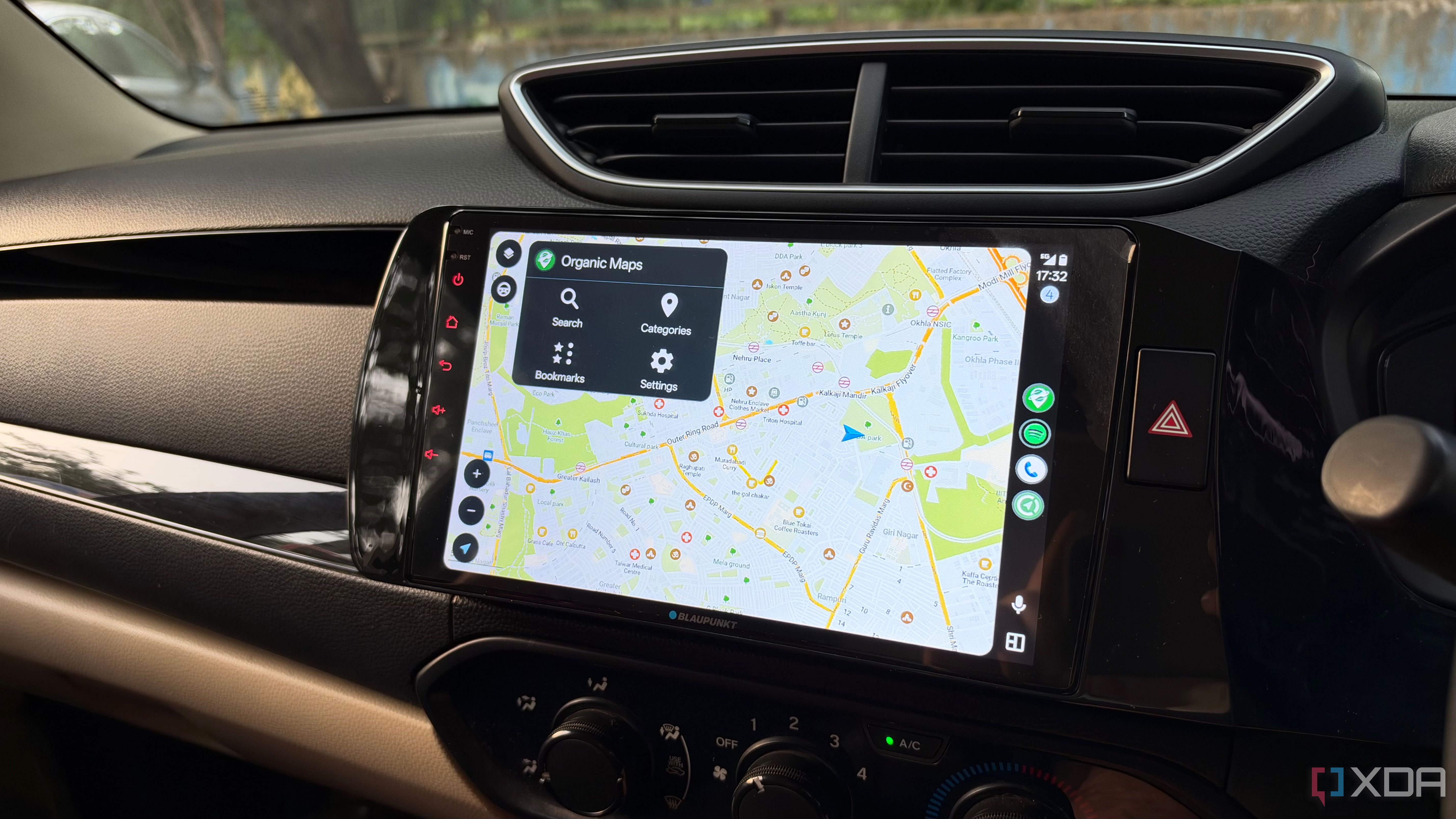
Take Organic Maps, for instance. It strips away every single tracker, account requirement, and sponsored location pin, leaving behind a lightning-fast engine that actually lets you download entire administrative regions. Countries, states, whole cities – instead of awkwardly dragging arbitrary rectangles across a screen like you are cropping a screenshot in MS Paint.
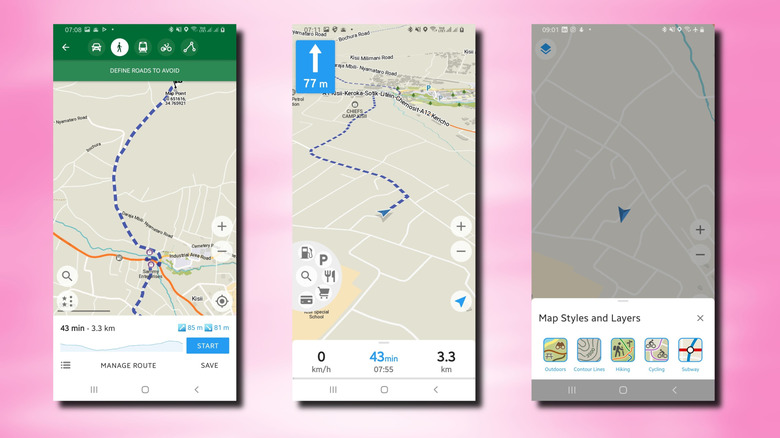
Then there is OsmAnd, which feels less like a consumer app and more like a Swiss Army knife for cartography nerds who want absolute control over lane guidance, speed displays, and custom GPX trail logs. It nags you constantly about offline storage, but honestly? I'll take a polite software warning over silent data exfiltration any day of the week.
We've been conditioned to accept that useful tools must cost us our privacy. Is a false trade-off engineered by companies whose business model depends on knowing where you buy your coffee. Exploring these independent, open-source mapping alternatives proves we can still get to our destinations without broadcasting our coordinates to the highest bidder. We can still get to our destinations without broadcasting our coordinates to the highest bidder.