AMD EPYC Venice Benchmarks Prove Marketing Always Needs a Salt Shaker
AMD just dropped official EPYC Venice benchmarks targeting Nvidia Vera, but you need to read the fine print before popping any champagne....
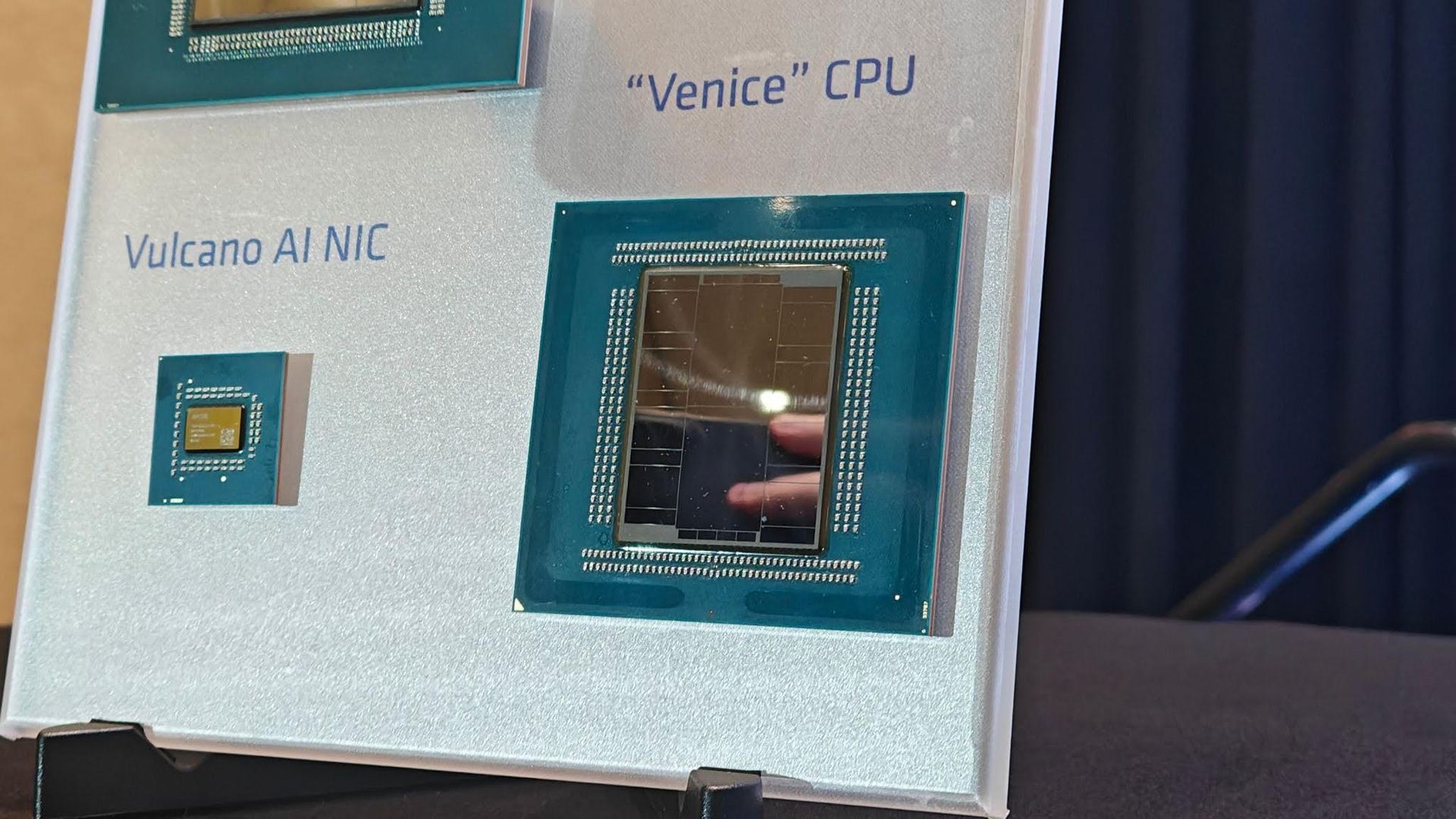
Vendor benchmarks dropped this week, and the marketing machinery is running at full tilt. AMD just published its official performance figures for the upcoming EPYC Venice server processors, setting its crosshairs squarely on Nvidia's Vera architecture. The headline numbers look staggering on a slide deck. We are told the massive 256-core flagship easily doubles the throughput of rival silicon. But if you have spent any time in systems engineering, you know the golden rule. Always mind the footnotes.
Dig past the glossy charts, and the methodology gets delightfully messy. Venice is flexing hard in SPEC CPU 2026 tests, claiming a twenty percent per-core advantage over Vera in specific configurations. Sounds definitive. Except when you check the under-the-hood details, the playing field isn't quite level (believe it or not). AMD mixed data sources and, importantly, used a newer major release of the GNU Compiler Collection than Nvidia did in their baseline white paper. GCC updates alone can swing measure scores wildly depending on optimization flags and target architectures.
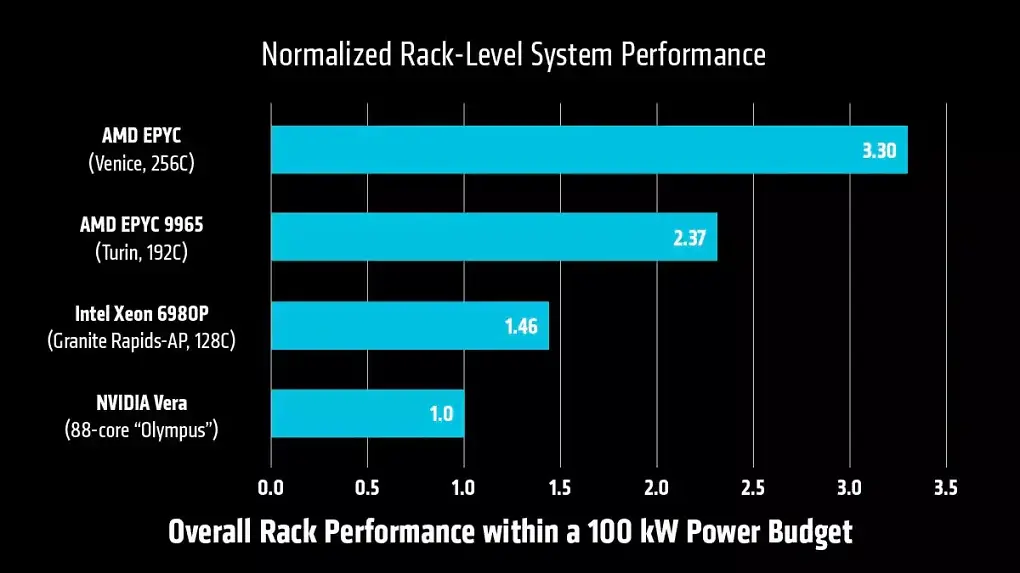
This is the eternal dance of enterprise hardware launches. Everyone wants the crown, so everyone engineers the exact conditions required to wear it. Testing a down-cored 96-chip against an entirely different competitor spec while juggling compiler versions isn't inherently malicious, but it is deeply convenient. Real engineering happens in production clusters under chaotic, unoptimized workloads, not inside pristine PDF white papers designed to move stock prices.
Venice is clearly a powerhouse silicon. The aMD builds phenomenal processors that keep the server market fiercely competitive, which is deeply good for everyone who writes code or provisions iron. Just don't take a (surprisingly) vendor's word as gospel truth. Look at the real-world thermal envelopes, check the software toolchains — and wait for independent third-party benchmarks before you redesign your entire data center architecture around a slide deck. And wait for independent third-party benchmarks before you redesign your entire data center setup around a slide deck.









