Why Vivaldi Browser Makes Chrome Feel Like Abandonware
We've all grown far too comfortable bending our workflows around Chrome's stubborn limitations. But trying a tool built by people who actually care about software changes everything....

Most of us use Chrome out of sheer gravitational pull. Worksing, It syncs, and we stopped questioning its quirks years ago. We quietly accept that basic utility requires a fragile web of third-party extensions, and that organizing our digital lives means wrestling with a UI designed primarily to serve an advertising conglomerate. Once in a while, you stumble across software built by engineers who respect your intelligence, and it makes you realize just how much friction you've been normalizing, but every.
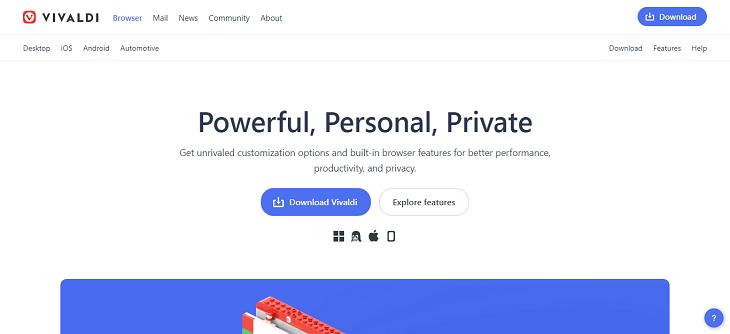
Take the endless war against digital clutter. While Google treats ad blockers and privacy controls like contentious battlegrounds – mostly because their business model depends on tracking you – alternatives like the Vivaldi browser bake these protections directly into the metal. You don't hunt down shady extension store listings just to stop relentless trackers or annihilate those soul-crushing cookie banner pop-ups. It is native. It is granular. It simply respects your boundaries out of the box, which feels less like a feature and more like basic human decency.
Then there are the thoughtful little details that make you wonder what the monopoly has been doing for the last decade. Built-in full-page screenshot tools that actually attach source URLs, periodic tab reloading for dashboards that refuse to update themselves. Mouse gestures that speed up navigation once you build the muscle memory. These aren't bloated bells and whistles meant for a marketing pitch. They're practical answers to daily annoyances experienced by people who actually spend all day working inside a browser.
Tab management offers the starkest contrast of all. It chrome's tab groups feel like an afterthought, barely holding together when your project load spikes. Vivaldi leans into tab stacks with genuine structural ambition, letting you color-code, organize, and tile windows without needing a PhD in window management. Software should bend to how your brain works, not the other way around. It might be time to stop settling if you are tired of working around your tools instead of with them.