Toshiba’s Massive Bet on HDD Production Proves Mechanical Storage Isn’t Dead Yet
While everyone chases solid-state hype, Toshiba just poured $380 million into mechanical storage. Turns out, raw capacity still rules....
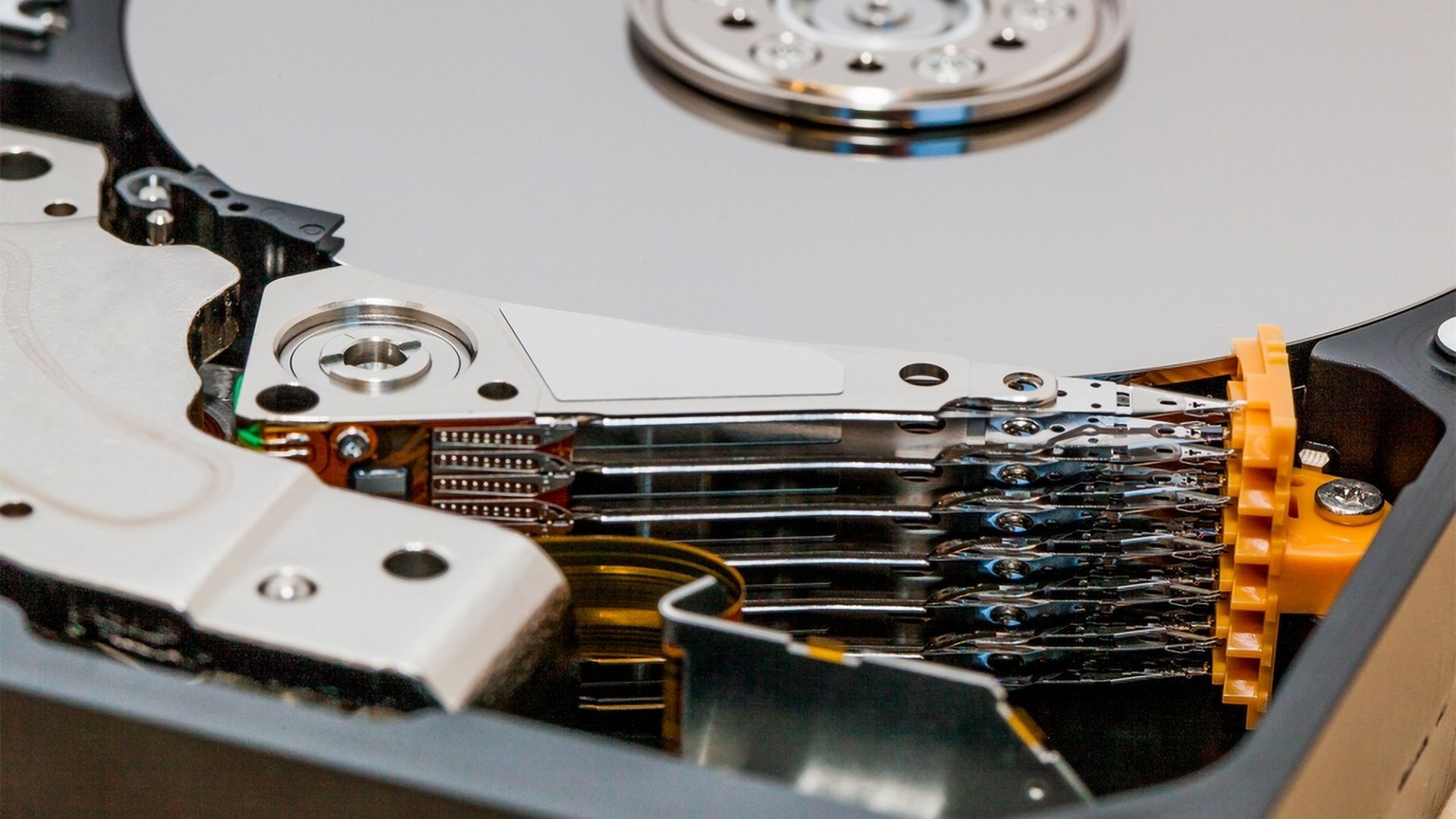
For the last decade, flash storage has enjoyed an almost unchallenged monopoly on the tech industry's affection. SSDs are fast, silent, and sexy. Every hot-take essay on the internet declares that spinning rust belongs in a museum, destined to be replaced by lightning-fast solid-state drives everywhere from hyper-scale data centers down to our laptops. But reality has a funny way of interrupting elegant tech narratives. The truth is much simpler: when you need to store staggering amounts of data cheaply, mechanical hard drives are the only game in town. Demand has exploded, and the industry is scrambling to catch up.
That scramble explains why Toshiba just dropped roughly $380 million to double its hard drive manufacturing capacity in the Philippines. This isn't a modest tune-up. It's a massive, multi-year industrial expansion designed to churn out next-generation nearline drives, culminating in a roadmap that targets 65TB capacities by 2030 and a staggering 100TB down the road. They are betting heavily on microwave-assisted magnetic recording technology and precision cleanroom automation to squeeze up to eleven platters into a standard chassis, proving that brilliant engineering still happens in the physical manufacturing space, long before any software ever touches the drive.
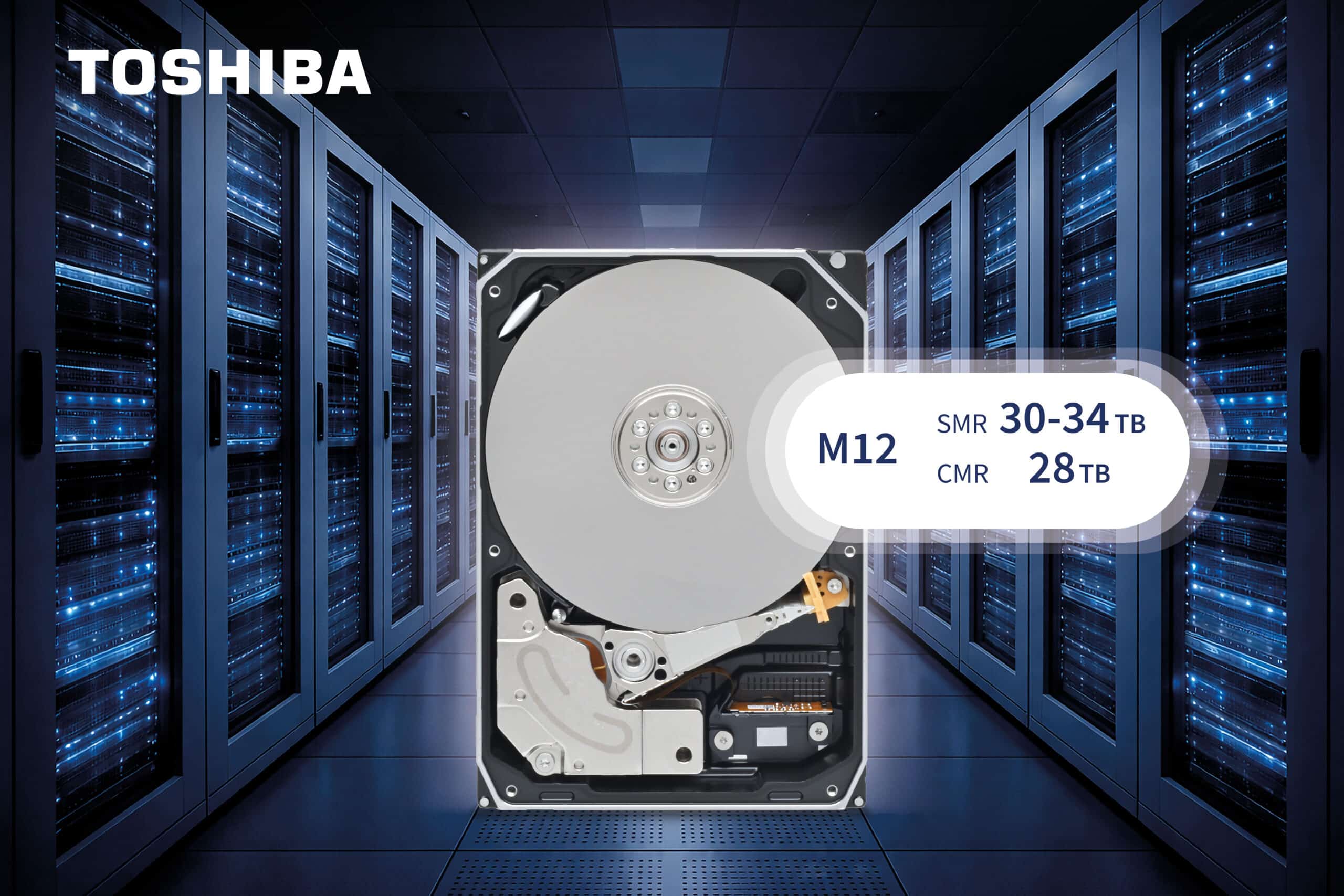
What fascinates me here isn't just the sheer physics required to pack data that densely onto spinning magnetic disks without everything flying apart. It is the undeniable irony of our current technological moment. We are living through an AI-driven data explosion where hyperscalers are vacuuming up every byte they can find to train models, yet the foundational infrastructure storing all that information relies on tech invented decades ago. Seagate, Western Digital, and now Toshiba are completely sold out of their highest-capacity drives, scrambling to build factories for hardware that Silicon Valley types love to dismiss as obsolete.
Ultimately, good engineering is about matching the right tool to the job, and flash simply cannot compete on pure cost-per-terabyte at this scale. While the flash vendors fight over speed, the heavy lifters of the physical world are quietly keeping the digital universe from drowning in its own exhaust. Mechanical drives aren't going anywhere. In fact, they are just getting started.