AI Agents Are Running on Loops, Not Intelligence
Look under the hood of autonomous AI agents and you won't find a thinking machine. You'll find a hyperactive goldfish constantly rereading its own diary....

Look under the hood of autonomous AI agents! The also, you won't find a thinking machine. In other words, you'll — oddly — find a hyperactive goldfish constantly rereading its own diary. Why does this matter? Realistically, fresh data from OpenRouter and Andreessen Horowitz reveals — and this matters — that non-human actors are consuming roughly five times more tokens than people. Yet, worse, that gap is hurtling toward ten times — or something like that. But don't mistake this staggering volume for authentic data breakthroughs or a sudden leap in machine cognition —.
The reality is far more mundane and considerably more wasteful. Over eighty-five percent of these agentic tokens aren't fresh thoughts, novel inferences, or complex problem-solving steps. They are recycled text. Every single time an agent takes a tiny step, executes a tool, or checks a log, it dumps the entire conversational history right back into the prompt window just to remember what it was doing five seconds ago. It is the digital equivalent of an accountant meticulously recounting every penny in the vault from the very beginning of recorded history before adding a single new receipt.
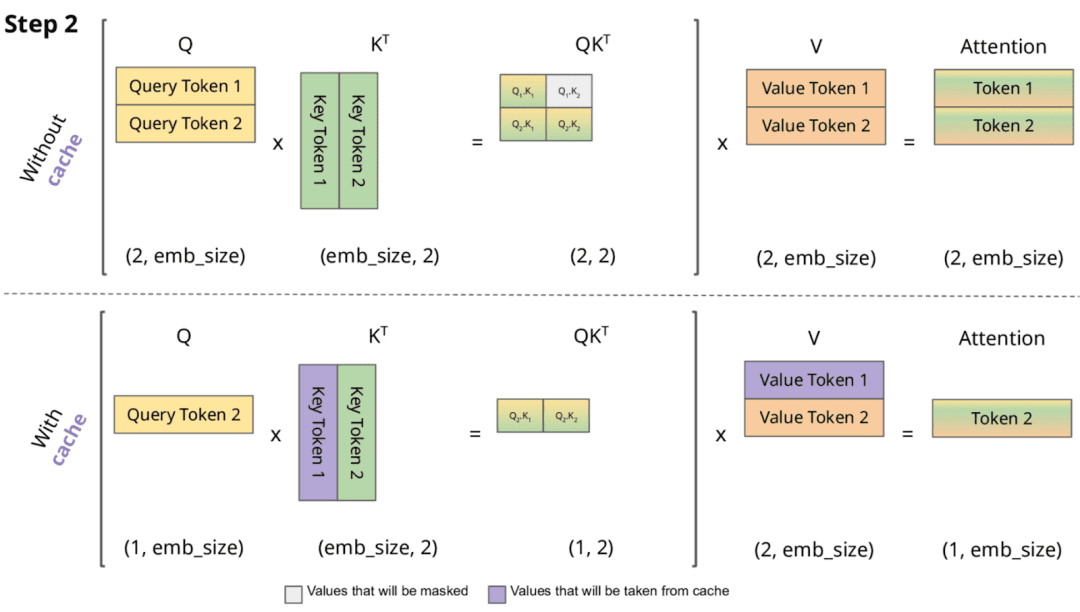
This architectural laziness creates a massive physical bottleneck. While cached prompts are cheap to process compared to raw inputs, they still have to live somewhere. Heavily, they sit in the KV cache, eating up high-bandwidth memory faster than silicon factories can stamp it out. Hardware makers are pivoting entirely to supply this insatiable data center hunger, which means consumer RAM shortages are going to get genuinely painful over the next few years. We are starving everyday hardware just so automated scripts can repeatedly skim their own notes.
At some point, the industry has to outgrow this brute-force approach. Shoveling massive context windows at a problem because you are too lazy to engineer state management is a bad trade. Real engineering requires discipline, memory efficiency, and respect for physical limits. Until we build agents that actually remember instead of just rereading, we are just burning through the world's silicon supply to fuel an endless loop of digital déjà vu.









