Why GPT Image Can’t Actually Replace Photoshop for Real Editing Work
Generative AI is great at inventing things from thin air, but when it comes to precision editing, natural language prompts still fall flat....
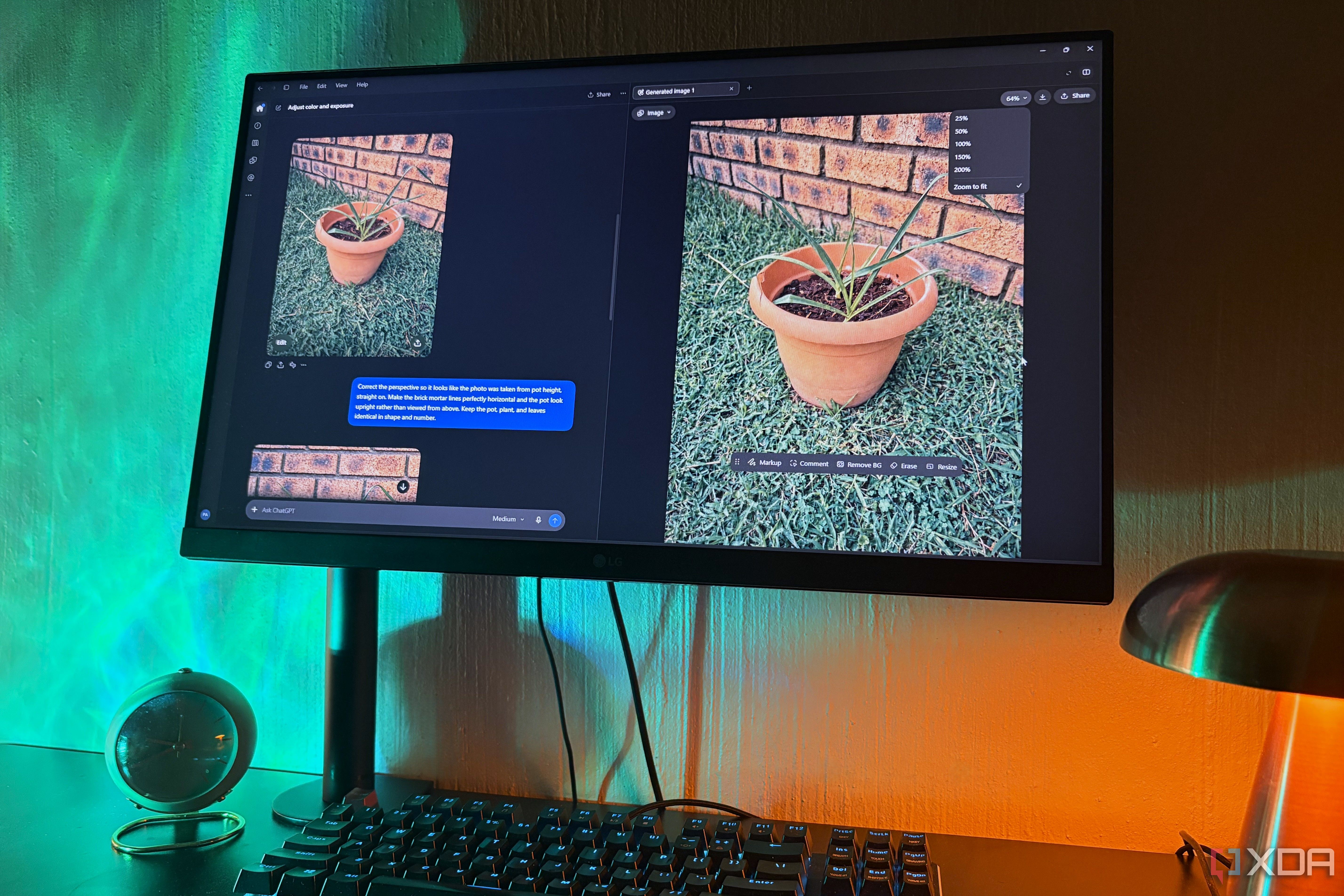
Generative models spin striking worlds out of thin air effortlessly – but actual image editing demands an entirely other set of rules fullly. The when you finally sit down to clean up a messy frame, you naturally expect the specific pixels you never touched to stay exactly put where they belong. Sadly, modern artificial intelligence deeply wants to hallucinate everywhere. It's built purely to create, not to preserve.
Watching tools like GPT Image attempt a — oddly — standard editing workflow proves just how far we remain from retiring deterministic software. The photoshop stays the reigning champion for one wonderfully boring, completely unsexy reason: absolute pixel-level control. Here's the deal: precise sliders, detailed masks, and nondestructive adjustment layers give you scalpel-like precision that mere probability distributions simply cannot repeat. Strictly, you tell the software to shift view or fix a lens blur. It respects the original boundaries without inventing a random background tree.

Chaos usually follows when you swap those boring sliders for chat-based prompts. Truth be told, even when you explicitly beg the model to leave everything else alone, probabilistic systems love sneaking in uninvited flourishes. They lack the quiet restraint required for real production work. The team operate entirely on fuzzy vibes rather than exactness.
Sure, the underlying technology improves at a terrifying clip. But until generative models learn how to sit still and respect a hard crop without adding unwanted flair, my Photoshop subscription isn't going anywhere. Craft beats hype.









