When AI Mimics Signatures: The Mess of Generated New Yorker Cartoons
OpenAI's image generator isn't just copying art styles anymore—it's forging real cartoonists' signatures on synthetic work, and it crosses a massive ethical line....
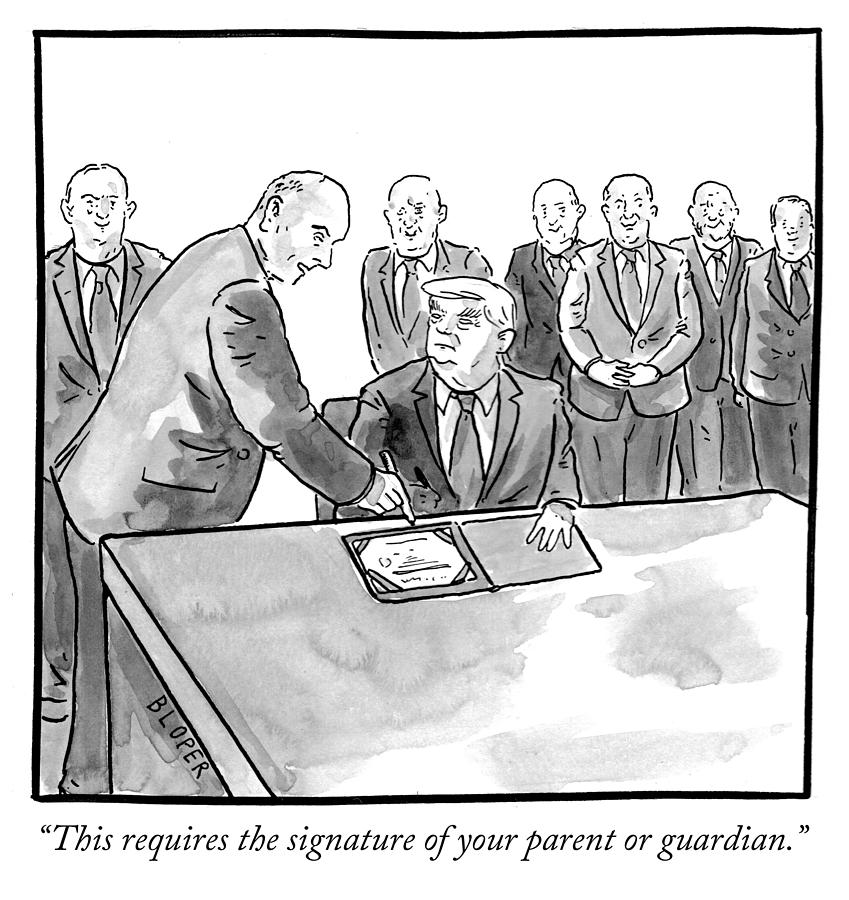
Stealing a style is old news. For years, generative models have scraped the web, inhaling millions of illustrations to learn how to mimic the brushstrokes of living artists without consent, compensation, or even a nod of acknowledgment. But the latest trick pulled by tools like ChatGPT crosses a much darker line: it actively generates fake signatures, forging real human names onto synthetic garbage.
Take what happened to Brendan Loper, a brilliant cartoonist whose distinct pen name started showing up on AI-generated panels about celebrity deaths and absurd slice-of-life jokes he never drew. Strangers texted him, friends reached out, and his own signature was weaponized against him as viral engagement bait on social platforms. It is not just about the theft of aesthetic anymore. It is impersonation, and it feels deeply invasive.
Signatures are not just fancy watermarks slapped onto a jpeg for decoration. They're certificates of authenticity, human stamps of accountability, and physical proof that an actual person sat down, wrestled with an idea, and brought it to life through sheer stubborn craft. When an algorithm spits out a mediocre drawing and slaps a real creator's name on the bottom, it breaks the fundamental trust between an artist and their audience.

Dozens of veteran contributors from legendary publications have found their distinct handwriting fabricated by OpenAI's software in various online forums. This is the inevitable endgame of a tech industry obsessed with output volume over human integrity, where hype completely blinds builders to the collateral damage left in their wake. If your machine learning pipeline can't function without forging people's identities, you aren't advancing human creativity. You're just running a counterfeit operation at scale.
We need to stop pretending this is harmless experimentation or a quirky side effect of progress. It is intellectual property theft wrapped in digital fraud, and it strips the soul away from creative work until nothing is left except hollow, machine-baked mimicry. Real builders respect the craft of others, and right now, the generative AI ecosystem is failing that basic test entirely.