InkQuest: How an ESP32 and Gemini AI Built a Handheld Text Adventure
Forget cloud-bloated dashboards. A clever maker combined an ESP32 chip, an e-ink screen, and Gemini into a pocket-sized text adventure....
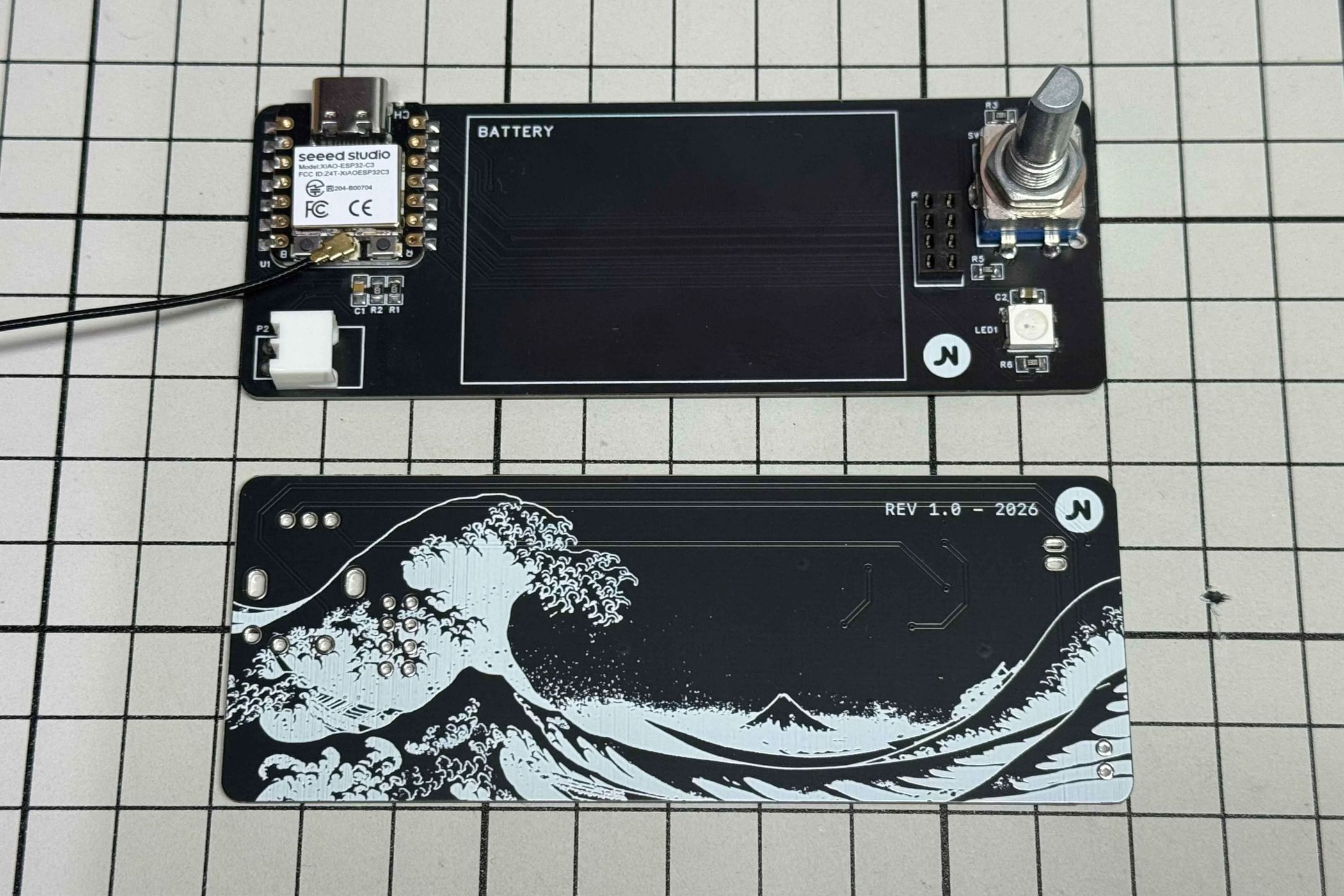
Most hardware projects these days suffer from feature bloat. It we glue five-inch touchscreens, massive batteries. Over-engineered compute modules onto simple ideas just because we can. Long story short, it is refreshing, then, to see someone strip all that noise away. Still, inkQuest proves that tiny microcontrollers and slow refresh rates have soul.
The build relies on a minuscule XIAO ESP32-C3 board hooked up to a crisp e-paper panel and a physical rotary dial – in a way. In a way, the Instead of running bloated local models or hardcoding static branching paths, the device hits the cloud. It pings Google's Gemini API, pulls down dynamically generated story segments formatted cleanly in JSON. And renders the prose directly onto the low-power screen.
Scrolling through paragraphs with a tactile clicker and watching the e-ink ghost gently into place feels incredible. There is no blue-light eye strain. No notification pop-ups. Just pure, deliberate interaction reminiscent of a retro Zork session fused with modern generative text.

What I appreciate most here is the engineering restraint. The creator didn't try to cram full-motion video or heavy audio onto a chip meant for IoT sensors. They respected the hardware constraints, leaned into the strengths of electronic paper, and open-sourced the whole thing on GitHub for anyone brave enough to solder their own weekend away.
Go look at the repository. Build one. We need more weird, wonderful gadgets that exist purely because a builder thought it would be neat to see if they could pull it off.