Holo3.1 and the Shift Toward Local Computer Use Agents
Holo3.1 changes the game for computer use agents by bringing fast, local execution and cross-environment reliability straight to the desktop and mobile edge....
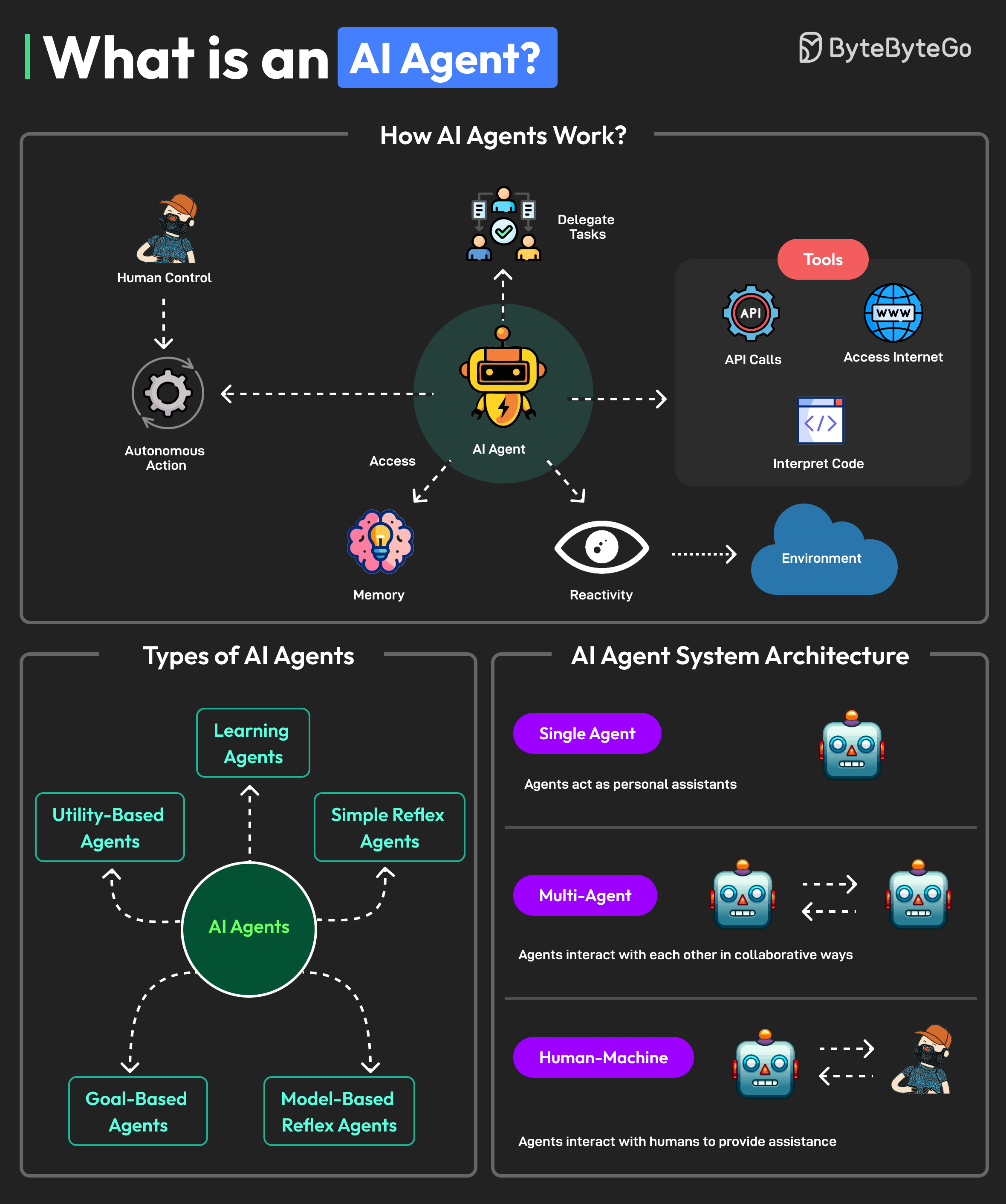
Most AI hype treats the browser as the universe's center. Real work happens elsewhere. If you've ever tried moving an autonomous workflow from a clean desktop benchmark onto a janky mobile screen or a weird internal enterprise use, you already know the pain of distribution shift. The model hallucinates, the DOM changes, and the whole automation stack quietly grinds to a halt.
That is why the release of Holo3.1 attention my attention. Built on the Qwen architecture, this new family of computer use agents tackles the stubborn friction points of production deployment head-on. They didn't just chase bigger parameter counts. Instead, the team optimized for the messy reality of cross-environment execution – spanning web browsers, dense desktop software, and increasingly complex Android environments.
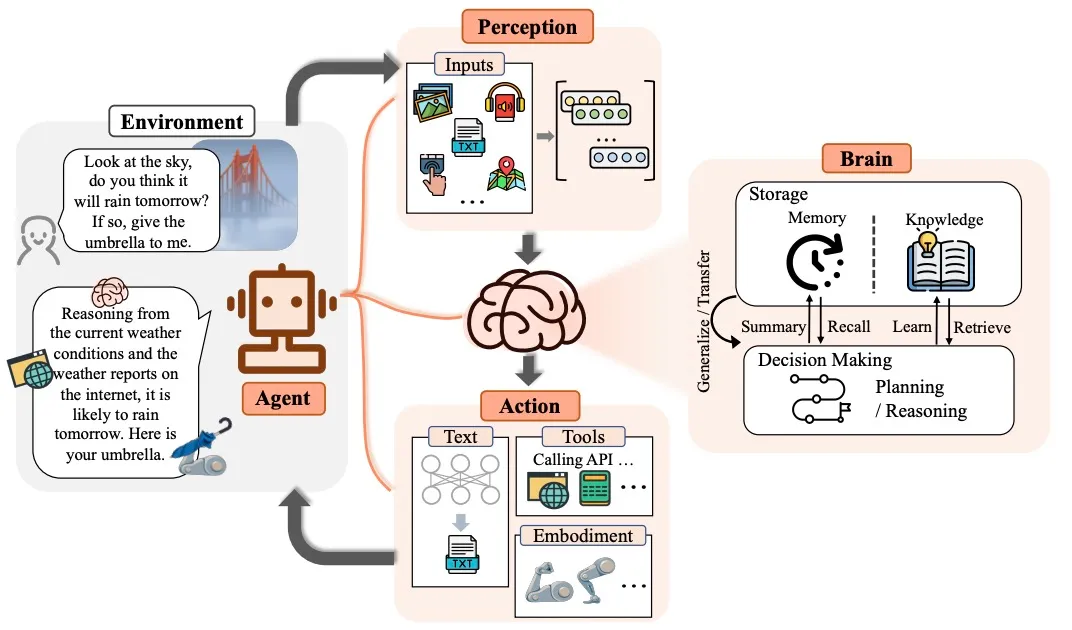
What makes this release genuinely — to be fair — notable for builders is the pragmatism around inference costs and hardware. We're finally moving past the era where running serious agentic loops required routing every single click. And keystroke through an expensive cloud API. By shipping native quantized checkpoints. Including FP8, Q4 GGUF, and NVFP4 formats – down to remarkably lean sizes like 0.8B and 4B. They are making local, private execution actually viable on real hardware.
Control matters. Privacy matters. When your agent can live directly on the end-user device without phoning home for every UI interaction, the latency drops and trust goes up. If you are building automated workflows that need to survive the real world instead of just passing a sanitized benchmark, it is time to pull down these weights and see what local agentic infrastructure can actually do.









