NeoMME Cuts Through the Multimodal Hype With Smart Engineering
Instead of gluing massive generative models together, NeoMME proves that building a native multimodal encoder from scratch still wins on pure efficiency....

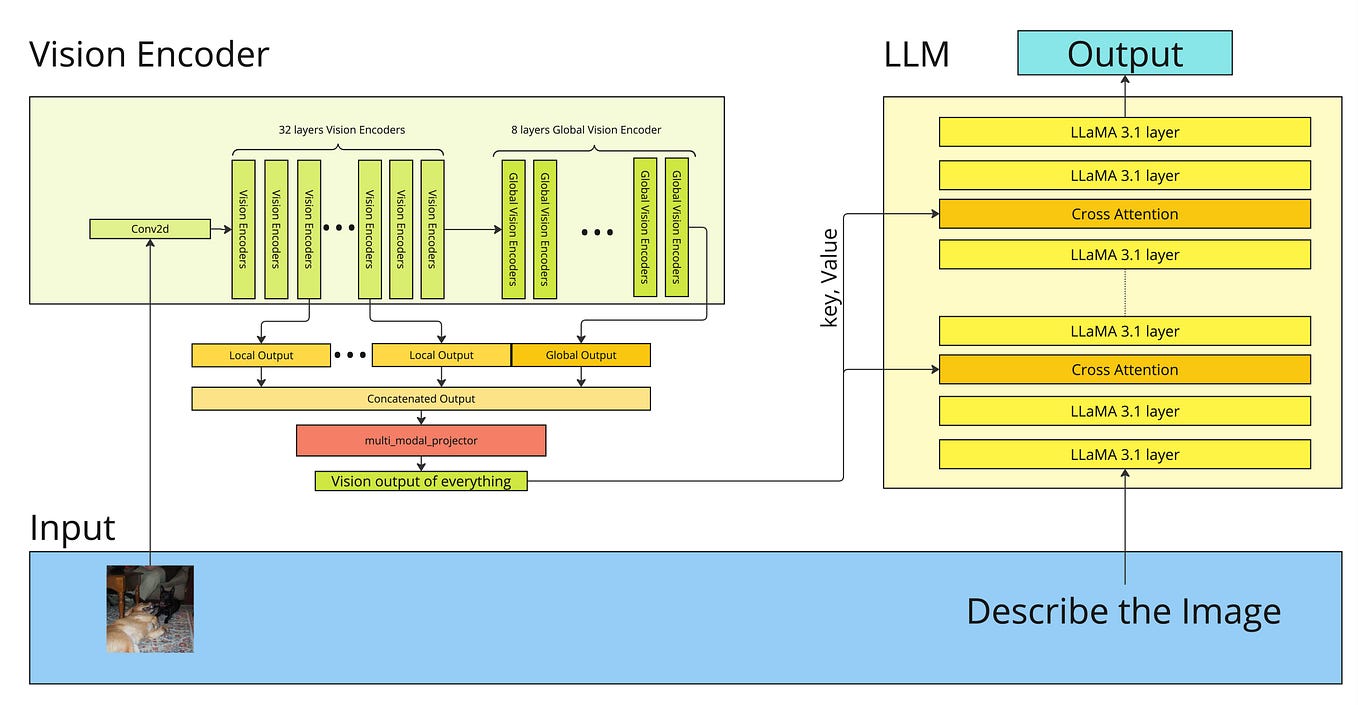
Most modern AI stacks are bloated messes. We keep taking massive generative vision-language models – complete with separate pretrained vision towers and heavy causal decoders – and forcing them to do simple retrieval tasks they were never actually designed for, which is the architectural equivalent of using an eighteen-wheeler to commute to the corner store just because the highway happened to be paved. Waste is staggering.
Instead of stitching together disjointed components, this clever approach uses a single bidirectional Transformer to process raw image patches and text tokens side by without any separate vision towers or autoregressive text decoders dragging down throughput. They trained the whole thing from scratch using a masked discrete-diffusion objective, proving that foundational design choices still matter.
Results matter. Tuned for visual document retrieval, the 260M variant chews through roughly fifty-one pages per second on an NVIDIA L40S while tackling the notoriously painful problem of index bloat through clever hierarchical token pooling and asymmetric quantization that shrinks storage from a bulky 1.5 megabytes down to a mere six kilobytes per page.
Apache 2.0. Builders get an efficient foundation that actually respects resource constraints instead of demanding another cluster upgrade. Real progress isn't just about scaling up parameter counts until server rooms catch fire; true craft looks like stripping away excess.