Why You Need a Software Design Document Before Writing Code
Skipping the design phase to rush into coding feels productive, but it's usually just an expensive way to procrastinate on hard thinking....
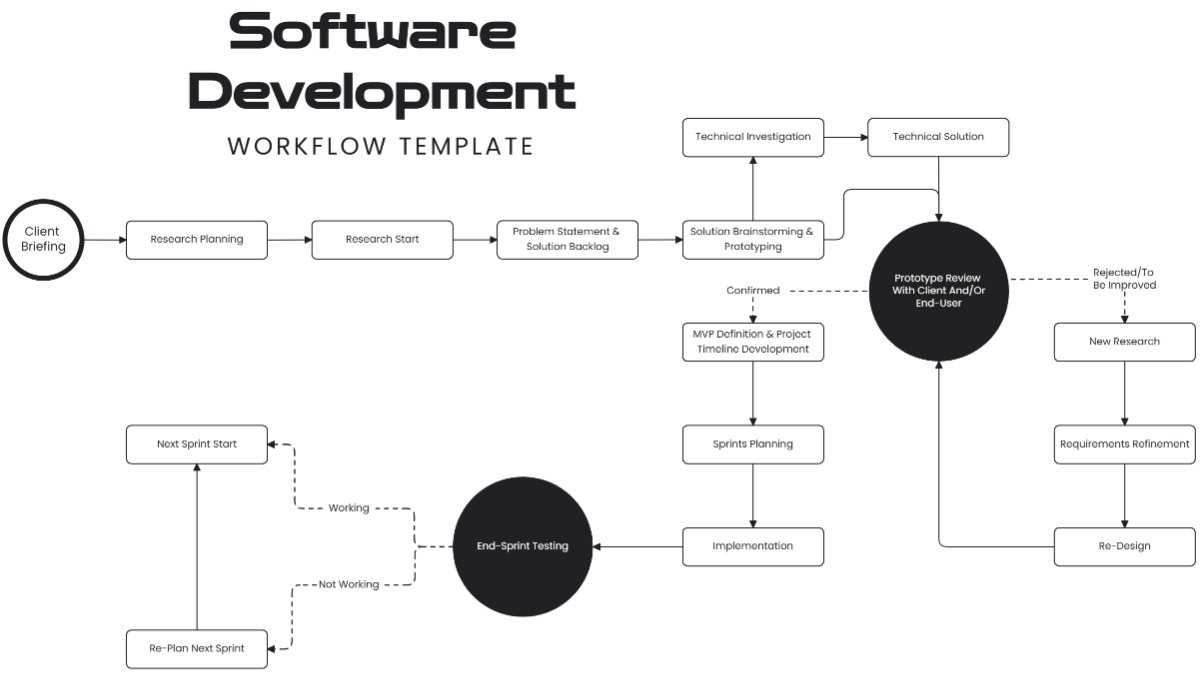
There is a persistent urge in software development to skip the boring parts and immediately open your IDE. We have all done it—staring at a blank repository, eager to write actual code rather than mess around with documentation. But diving in without a solid software design document is usually just an expensive way to procrastinate on the hard thinking.
I have worked in places where design docs were treated as bureaucratic theater—massive PDFs buried in shared drives that no one read twice. That gives the practice an unearned bad reputation. A good design doc isn't about compliance or heavy process; it is a cheap way to fail early. It forces you to map out your hard problems and data flows when changes still cost keystrokes instead of rewrites.
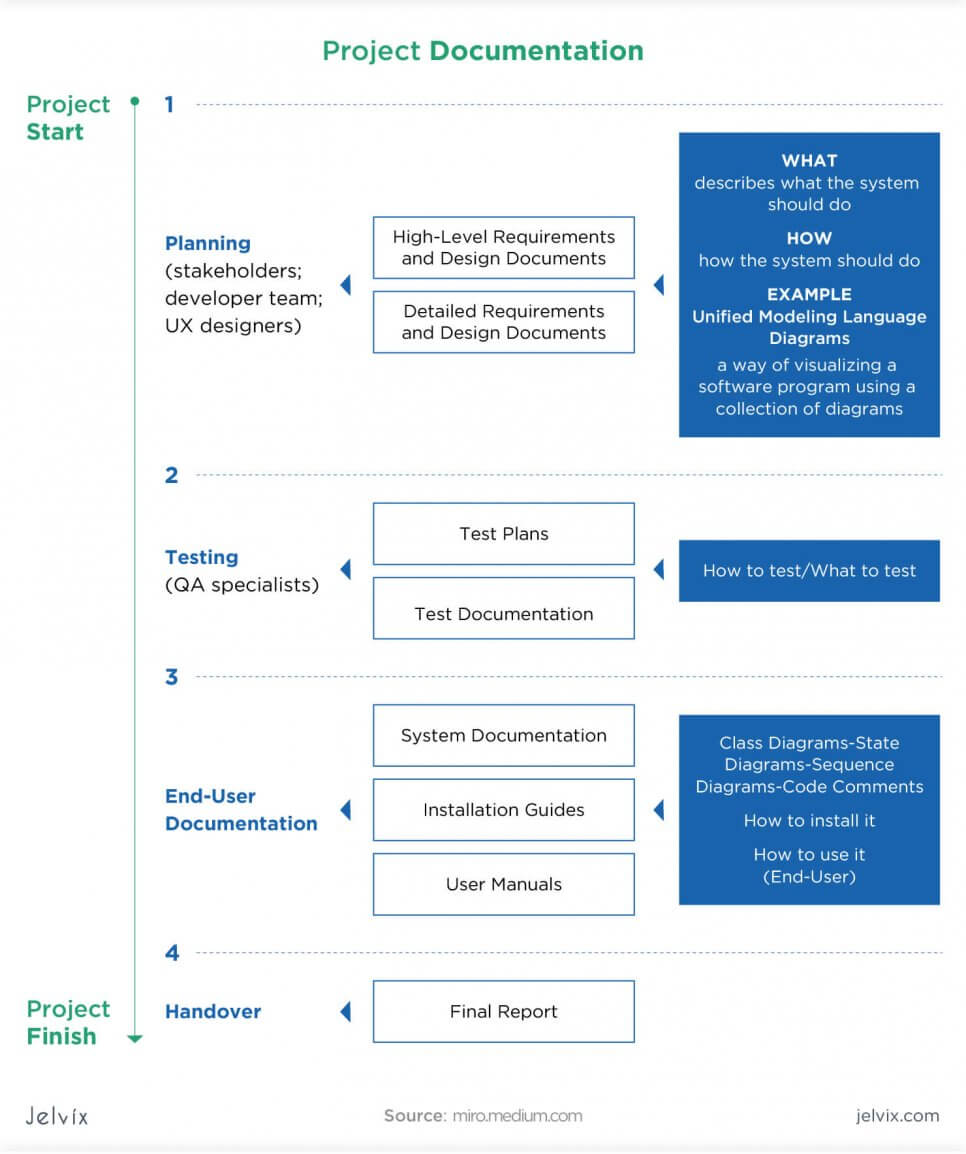
You don't need a fifty-page thesis for every little feature, of course. If a project is going to live in production for years, involve multiple developers, or carry genuine security risks, taking a few days to write down your architecture is non-negotiable. If the goals are entirely ambiguous, a design doc helps you wrestle that fog into a coherent plan before you commit to the wrong implementation path.
Ultimately, treating design as an afterthought is a tax you pay later with interest. Slowing down to write things out isn't about moving slower—it is about making sure that when you finally do start building, you are building the right thing.