Trump, Xi, and the Fragile Silicon Supply Chain
As Washington and Beijing prepare for a high-stakes summit, the fragile truce holding up our silicon supply chain is about to snap....

Geopolitics usually feels distant when you are staring at a terminal, trying to optimize a database query or trim a build size. But sometimes macroeconomics kicks the door right down. Next week, Donald Trump and Xi Jinping are meeting at the White House to hash out trade policies, and what happens in that room will ripple directly down to the hardware sitting on our desks. The trade truce hammered out in Busan last year is expiring on November 10, and the fragile architecture holding up the global tech supply chain is starting to creak under the pressure.
At the absolute center of this friction are rare earth minerals and advanced semiconductors. Beijing knows it holds all the cards the raw elements required to build everything from automotive sensors to latest AI chips. When China choked off those exports previously, the entire Western tech apparatus felt the squeeze. Now, as Treasury Secretary Scott Bessent and his delegation lay the groundwork for the upcoming summit, access to those critical materials remains the ultimate use point. Washington wants stability. Beijing wants relief from export controls. It is a high-stakes game of economic poker where every single line of code we write depends on the outcome.
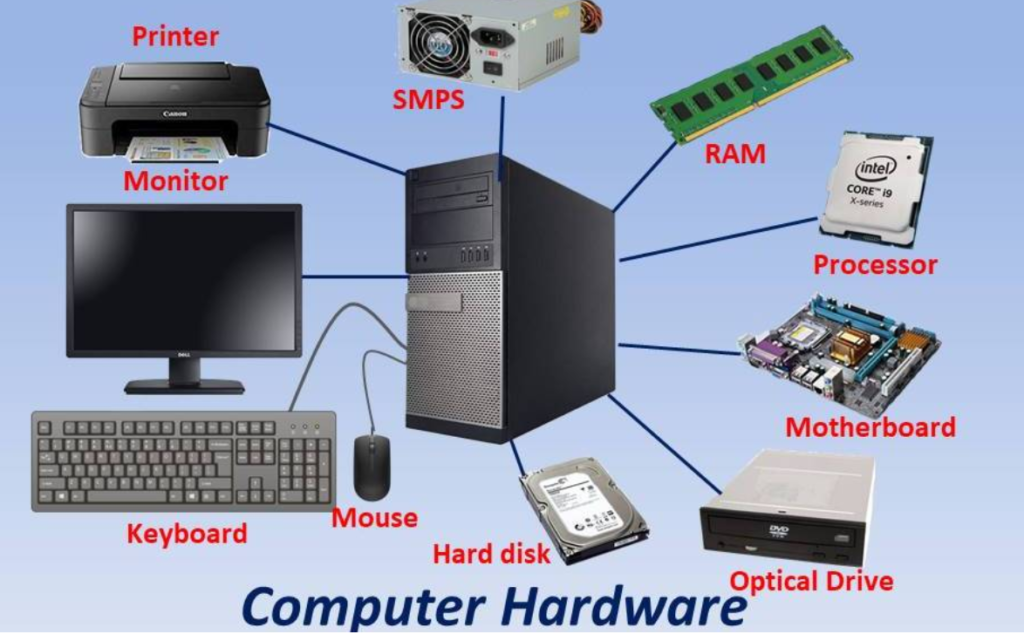
Then there's the bizarre paradox of the artificial intelligence conversation itself. It Silicon Valley businesses are caught in a dizzying loop. It they're together lobbying the government to ease restrictions so they can compete globally, while also panicking about safety and regulation. Largely, trump has brushed off domestic calls for AI red tape. Yet export controls on advanced compute hardware remain tightly wound. If Beijing with ease negotiates a softening of these tech blockades, the entire competitive scene shifts overnight. Actually, small teams and independent builders will feel the downstream effects in hardware pricing. Also, availability before the ink on (to be fair) the joint communique is even dry.
We love to romanticize software as pure thought, existing entirely in the cloud, completely detached from the physical world. It is a comforting illusion. The reality is far messier, tethered completely to geopolitical whims, trade tariffs, and the physical extraction of rare elements from the earth. They are effectively setting the boundaries for what builders everywhere can actually create when world leaders sit down to negotiate quotas and export limits. Keep an eye on Washington next week. The future of your come tech stack might just be decided on the tarmac.









