Nintendo Switch Security Exploit Highlights Why Local Wireless Trust is Broken
A newly patched vulnerability in original Nintendo Switch firmware proves that physical proximity is no guarantee of safety in modern consumer hardware....

We love dedicated hardware here. There is something deeply satisfying about a purpose-built computing appliance that does one thing exceedingly well, free from the bloated background daemons of modern smartphones. But physical isolation has always been a comforting illusion, and a newly disclosed Nintendo Switch security exploit just shattered it completely. If you're still running firmware older than version 23.0.0 on an original model console, you might want to pay attention before taking your device out into the wild.
The flaw itself is remarkably straightforward yet devastatingly clever. It lives inside the seemingly harmless 'Send to Smartphone' feature and the local wireless pairing routine used by *Super Mario Kart: Home Circuit*. When your console produces a QR code to beam a screenshot or establish a quick peer-to-peer link with a physical cartridge game. It is essentially extending an open invitation to anyone in physical range. They gain a bridge straight into your system memory, if an opportunistic stranger captures that visual handshake with their own device before you do.
This is classic CVE-2026-82079 territory: a stock-based buffer overflow vulnerability that allows local attackers within wireless range to execute arbitrary code or harvest sensitive account data. No sophisticated phishing. No remote server exploitation over the internet. Just a hijacked optical transmission happening right in front of your face on a crowded commuter train or at a local coffee shop meetup. It reminds us that proximity does not equal safety.
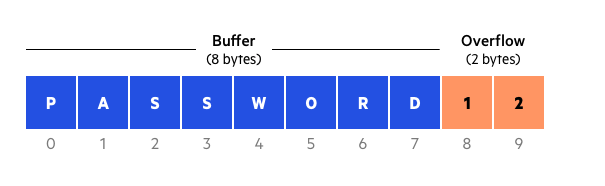
Fortunately, the engineering fix was — to be fair — baked into the 23.0.0 system update that dropped earlier this month. Updating takes about two minutes through the setup settings menu, rendering the optical hijacking vector useless. Nintendo's workaround advice – basically telling people to hide in their living rooms or avoid physical multiplayer. Nintendo's workaround advice – basically telling people to hide in their living rooms or avoid physical multiplayer. Not quite. See, feels like a quaint relic of pre-networked advice. But the patch itself is solid — or so it seems — if that makes sense.
Hardware security is an arms race against edge cases. We build these brilliant little boxes to bring joy, forgetting that every convenience feature is a potential attack surface waiting for a clever mind to pry it open. Go update your firmware. Then go build something secure.









