Elon Musk’s Grokipedia Just Got a Redesign, But the Real Problem Remains Unsolved
Grokipedia rolled out a fresh v0.3 aesthetic and new branding, but slapping a modern coat of paint on a generative information engine doesn't fix its core flaws....
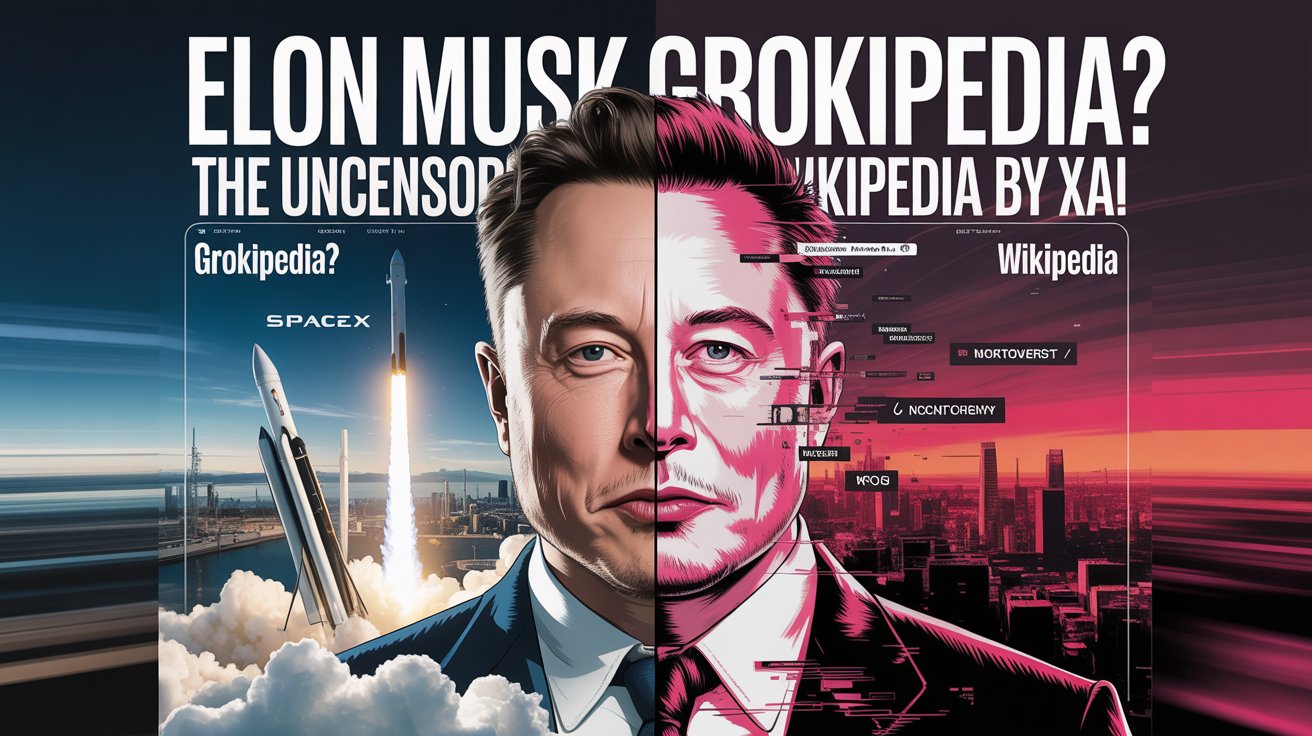
We love a good software update around here. Really, we do. But when the dust settles on the latest product drops, you have to look past the shiny pixels to see what actually changed. Take the recent rollout of Grokipedia v0.3, Elon Musk’s algorithmic riposte to Wikipedia. It features a slicker homepage, a newly minted logo, and a revived live edits feed that finally lets human oversight bleed back into the machine.
SpaceXAI's design lead called it a newly refreshed interface. Cool. The typography is cleaner. The spacing breathes a bit more. Yet, beneath the aesthetic polish, it remains fundamentally what it has always been: an automated text generator wearing the sensible cardigan of a reference encyclopedia. A new logo cannot rewrite bad premises. It cannot fundamentally alter how a large language model hallucinates facts when it runs out of training data.
People want trust from their repositories of human knowledge. They seek verifiable sources, transparent revisions. Accountability when things go wrong. Instead, we are getting venture-backed wikis optimized for vibes and velocity. Sure, they turned the edit pipeline back on. But tinkering with the UI margins misses the entire point of why crowdsourced knowledge actually works. It is not about the layout; it is about the friction.
Real builders know that craft takes time. You cannot rush the messy, consensus-driven consensus of human curation with a faster inference engine and a minimalist color palette. While the tech giants race to wrap every existing human artifact in a proprietary AI layer, I find myself yearning for the boring, unsexy databases built by people who actually cared about accuracy over engagement metrics.
Finally, version updates are easy. This shipping a product that actually respects human truth instead of generating likely-sounding fiction? That is a much harder engineering problem. No CSS overhaul is going to save us from that.









