Anthropic's GDP Projections Show The Real Cost Of The AI Economic Impact
Anthropic claims AI can push U.S. GDP to $44.4 trillion, but their own models suggest knowledge workers might need to retrain as electricians....
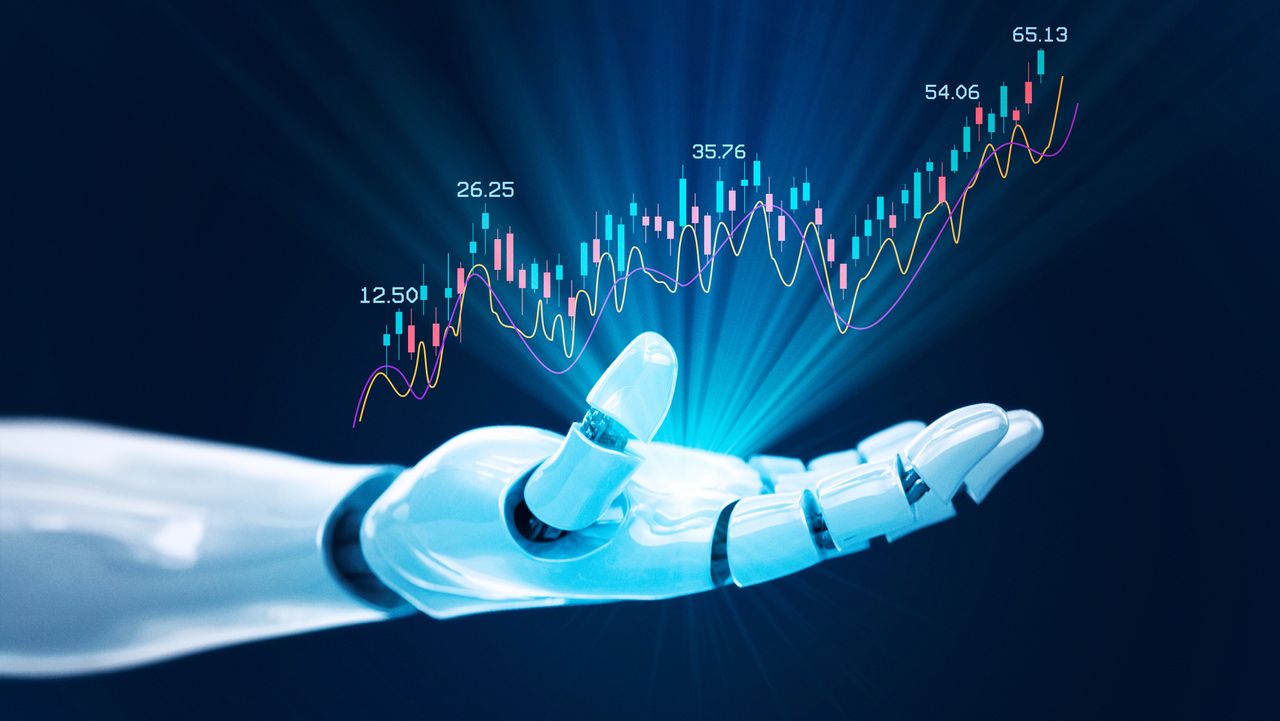
Every few weeks, another tech giant drops a staggering economic forecast trying to justify the trillions being poured into artificial intelligence. The latest entry comes from Anthropic, which published a model predicting that aggressive AI adoption could boost the U.S. GDP to a jaw-dropping $44.4 trillion in just four years. It is a massive number designed to grab headlines, but when you look past the macro-level euphoria, the underlying assumptions reveal a much more complicated reality for actual working professionals.
In my experience, the core of Anthropic's thesis relies on automating routine tasks across industries, using a nurse's workday as their baseline example. This they map out tasks that vanish, get augmented, and entirely new responsibilities like to monitor automated dashboards. The thing is, but their most extreme scenario carries a quiet warning that the PR teams usually gloss over: displaced knowledge workers might eventually have to swap their laptops for a toolkit,. Also, retrain as electricians or nurses.
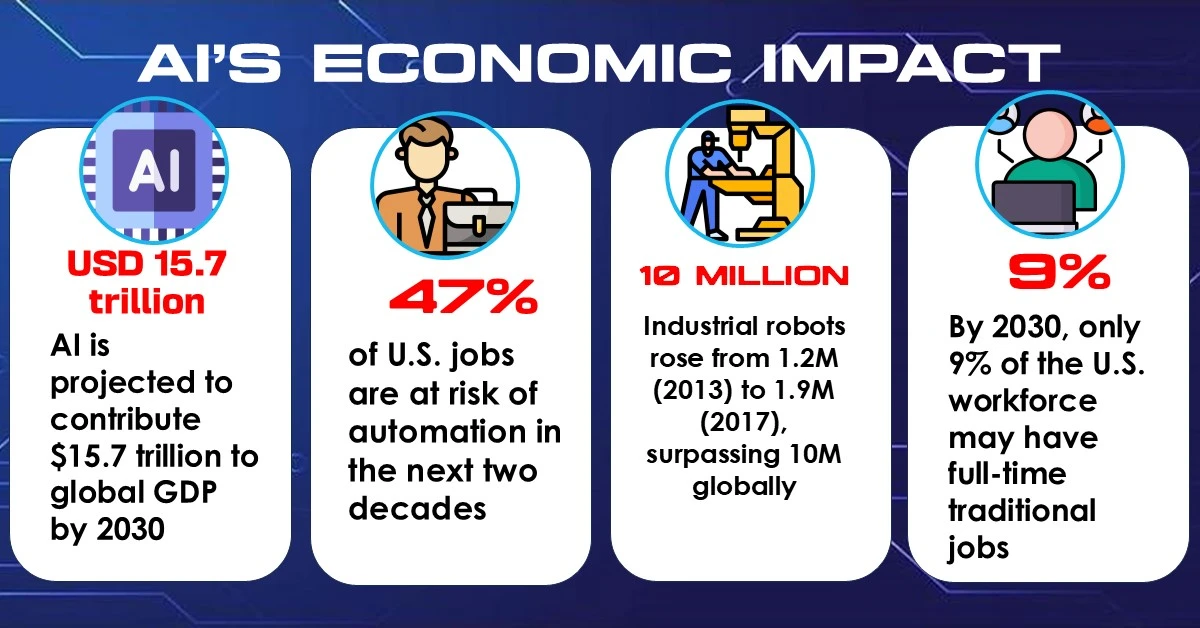
Think about that pivot for a second. We are told that software is eating the world, that code is the ultimate use, and that generative models are going to make everyone a hyper-efficient creator. Yet the logical conclusion of these exact same economic models is that white-collar knowledge work gets so saturated and automated that millions of people will need to abandon digital desks entirely to work in physical trades.
The cognitive dissonance here is staggering. Tech companies want us to believe we are entering a golden age of abundance driven by intelligent algorithms, while simultaneously publishing job-transition models that look like a panic response to mass displacement. If the ultimate destination of this technology is a massive GDP boost built on the backs of displaced office workers learning manual trades, maybe we need to interrogate the hype a bit closer before we celebrate the metrics.
Rather, in the end, I prefer to focus on building actual tools and solving real problems than chasing macroeconomic fairy tales. Actual progress comes from making things that help people create, not from theoretical models predicting a trillion-dollar utopia that requires half the knowledge economy to find a completely new career. Not from theoretical models predicting a trillion-dollar utopia that requires half the knowledge economy to find a completely new career.