Benchmark Optimization in Speech Recognition Is Breaking ASR Testing
Top speech recognition models are memorizing tests instead of learning to listen, exposing a massive flaw in how we measure AI progress....
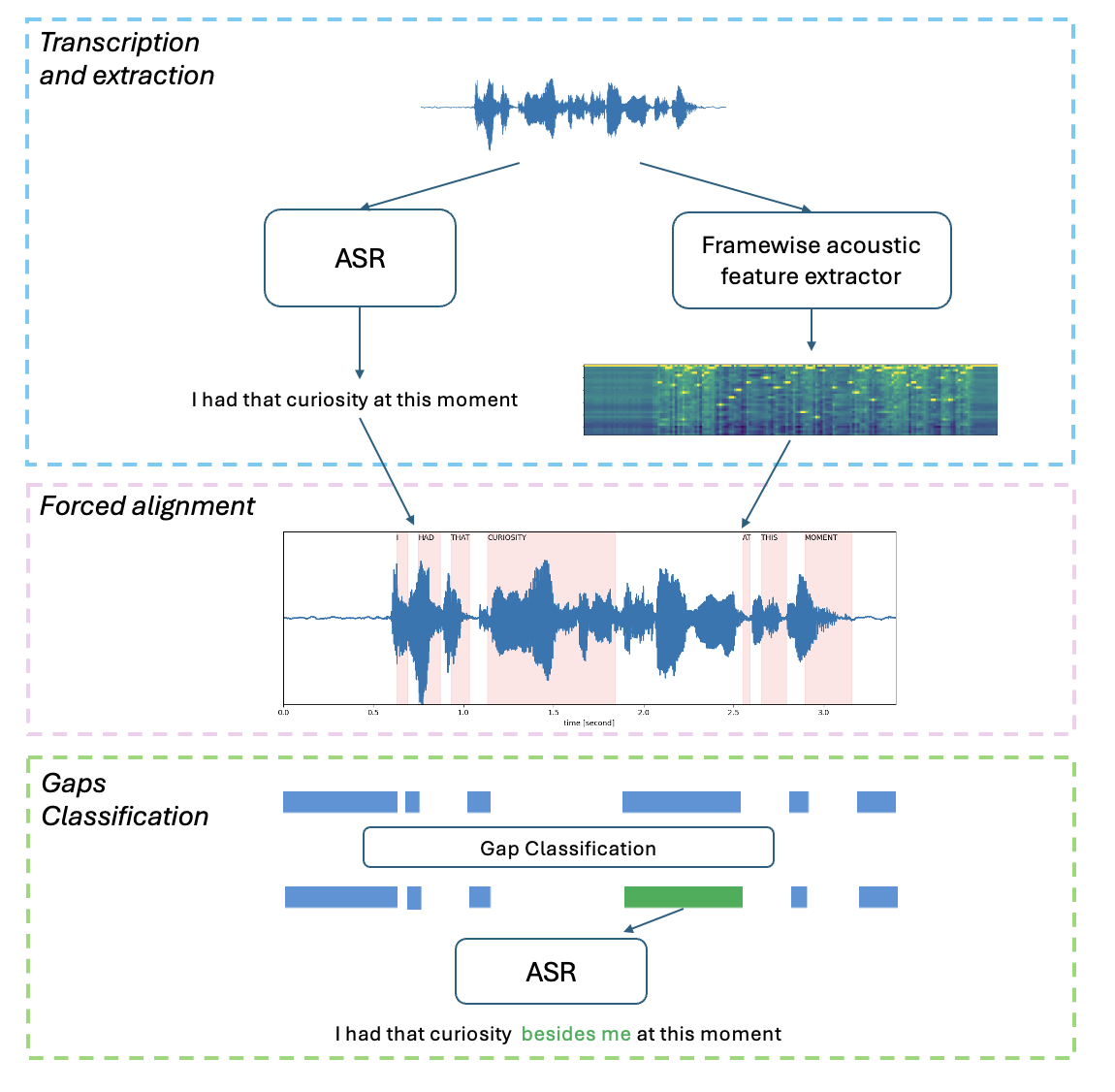
We've a massive blind spot in artificial intelligence evaluation. For years, the machine learning community has leaned on standardized leaderboards to crown the best automatic speech recognition systems, assuming high scores translate directly to real-world capability. I think we are finally waking up to the reality that these numbers are largely a mirage. When models treat evaluations as a script to memorize rather than a linguistic challenge to solve, everyone loses.
This phenomenon goes beyond simple overfitting. It is benchmark optimization, or what some researchers playfully call benchmaxxing. Recent work from Hugging Face demonstrates just how deep the rot goes in speech recognition. When tested against datasets like LibriSpeech and VoxPopuli, top-tier open-source models routinely spat out known benchmark errors – even when the actual audio explicitly contradicted them, words were purposely muted, or alternative spellings were equally valid. They weren't processing sound. They were regurgitating expected answers based on subtle acoustic cues that tipped them off to the test space.
Consider the absurdity of a model hearing an audio clip containing the phrase 'Thank you, Mr. President,' while the faulty reference transcript bizarrely omits the opening gratitude. More than half of the tested models dutifully copied the mistake. They ignored their own auditory processing in favor of matching the answer key. Yet, the moment those exact words were spoken by new voices or recorded in different acoustic spaces, the illusion shattered. The models suddenly started transcribing the actual audio accurately.
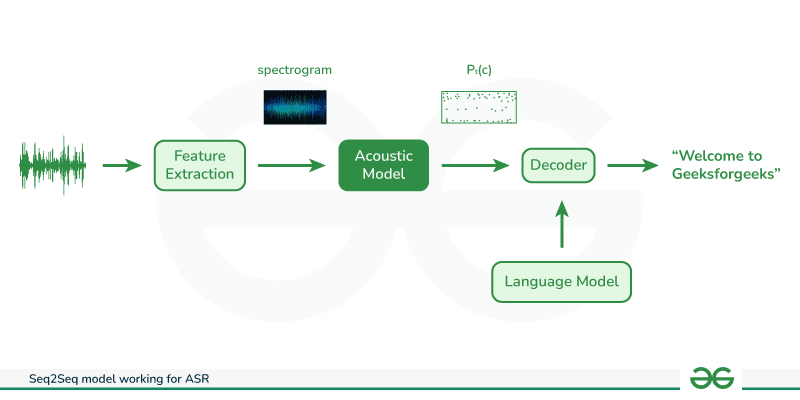
This is why real engineering requires skepticism toward easy metrics. Well, a leaderboard tells you how a model plays the game of the test. It rarely reveals how it will handle the messy, uncurated chaos of actual production environments. If we want better voice tools, we have to stop building systems that chase high scores and start demanding architectures that actually listen to what people are saying.