Valve's Steam Frame Shows Why Hardware Ergonomics Beat Hype
Valve's standalone Steam Frame proves that thoughtful physical engineering still matters more than riding the latest tech hype cycle....
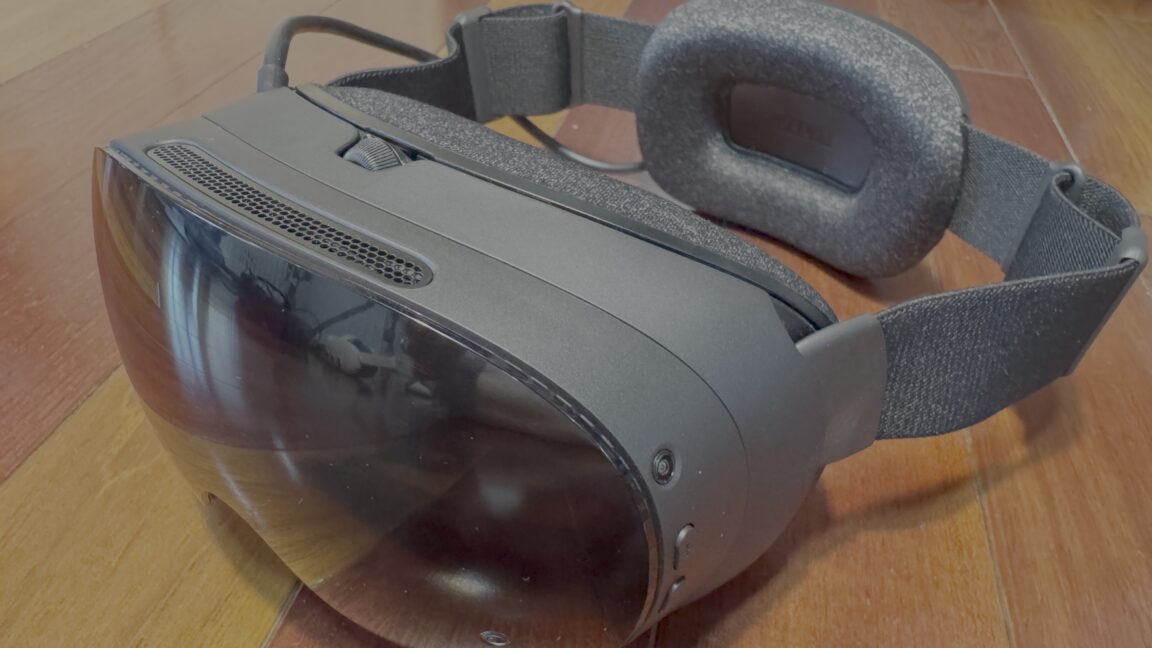
Watching Valve step into the standalone VR space with the new Steam Frame feels genuinely refreshing, mostly because it arrives completely stripped of the desperate, gold-rush noise that defined the medium a few years ago. After the industry's grand metaverse promises quieted down, Valve just went ahead and built a piece of hardware that solves a fundamental physical problem: strapping screens and compute to your face without giving you a neckache.
At 440 grams, the device is noticeably lighter than its main competitors, but the real engineering win is the weight distribution. By splitting the hardware and moving a cushioned 21.6 Wh battery to the back of the skull, they’ve managed to eliminate that front-heavy pull that makes most headsets exhausting after twenty minutes. It is a masterclass in ergonomics over flashy marketing.
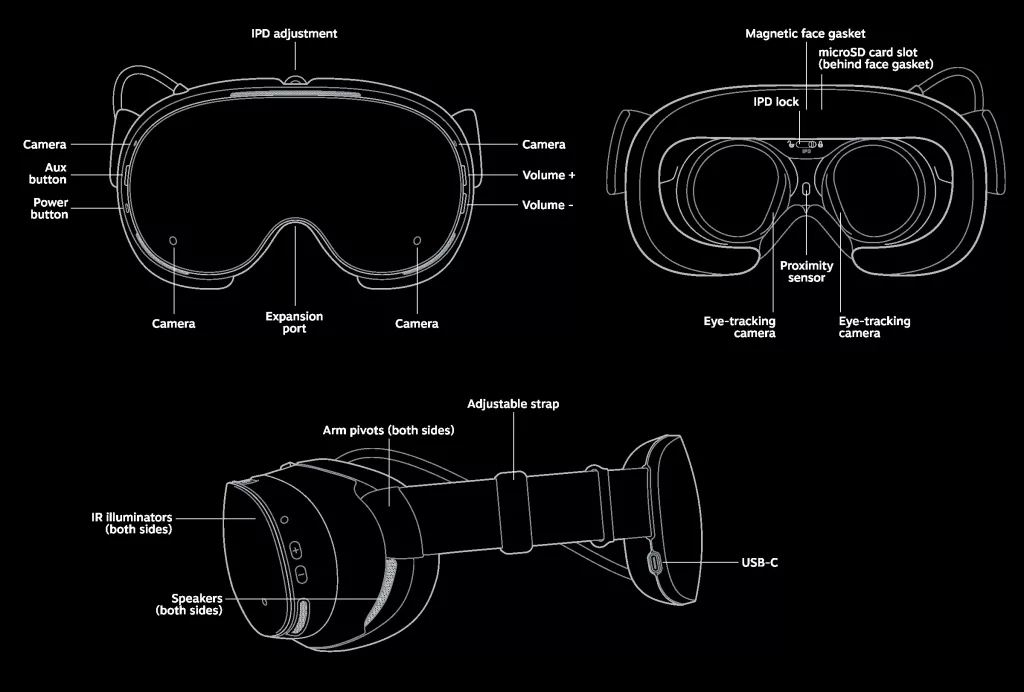
What I respect about this release is the willingness to ship a mature, mechanically sound product late in the game, rather than rushing out a half-baked prototype to catch a trend. Even with a steep price tag of over a thousand dollars, it targets builders and enthusiasts who care about raw comfort and execution over mass-market gimmicks.
Hardware design like this reminds us why craft still wins. When you stop trying to revolutionize the universe and just focus on making a device that feels good to wear and use, the product speaks for itself.