Why Airbnb's Deeper Bet on GPT-6 Astra Actually Matters for Builders
Airbnb is expanding its bet on OpenAI's frontier models, including GPT-6 Astra. But beyond the corporate press releases, what does this actually mean for how software gets built?...
Software tooling changes fast, but real use changes how teams think. Airbnb just widened its internal bet on OpenAI's frontier models, bringing GPT-6 Astra directly into the hands of its product and engineering squads. This isn't just about writing boilerplate code anymore. They are leaning heavily on these systems for system design, hunting down elusive production bugs, and tackling gnarly strategic documents. When a massive marketplace with millions of daily transactions decides to standardise its workflow around a specific class of AI, I pay attention.
The interesting part isn't the API endpoint. It's the execution delta. We've all played with chatbots that take twenty frustrating rounds to output something vaguely usable, requiring more micro-management than a junior dev on their first week. Yet, internal tests at companies like this are pointing to a starkly different reality. Complex non-coding tasks that used to eat up entire afternoons are now hitting finished quality in just three or four precise passes. That jump in raw coherence is what separates a clever toy from an actual engineering lever.
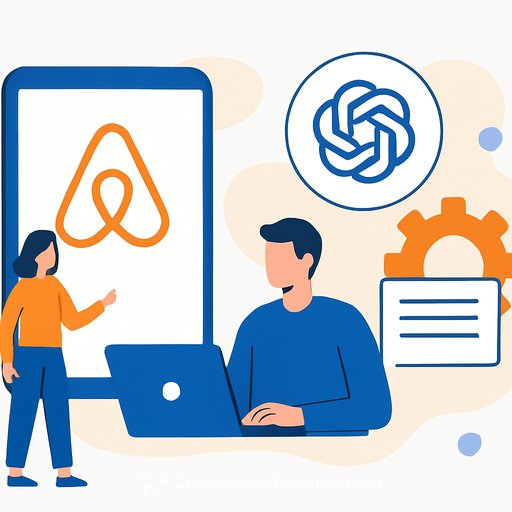
Of course, hype is loud. Every tech blog in existence wants to convince you that we are living in a fully autonomous utopian sci-fi movie. We aren't. Airbnb is applying these models where they make pragmatic, bottom-line sense: hunting fraud, smoothing out customer support queues, automating insurance claims, and helping builders reason through complex architecture decisions. They aren't replacing human judgment. They are removing the friction that slows smart people down.
For small teams and independent builders, this shift offers a clear blueprint! You don't need a thousand-person engineering group to benefit from frontier models — or so it seems. I mean — wait. But is (to be fair) it really that simple? OK so you just need to treat them like clever collaborators rather than magic spelling wizards. The real winners in this next phase won't be the companies that generate the highest volume of mediocre code. It will be the craftspeople who know how to direct these sharper tools to build better things, faster.









