Why Olmo-core 3 Matters for Open Source Mixture-of-Experts Training
Hugging Face just dropped Olmo-core 3, tackling the brutal communication bottlenecks that usually ruin massive mixture-of-expert models at scale....

Most frontier AI labs treat their training stacks — oddly — like state secrets. Hiding the gritty engineering details behind glossy press releases while preaching the gospel of openness. This that's why I always pay attention when Hugging Face ships deep base updates. Their latest release, Olmo-core 3 — if that makes sense. Is a massive overhaul built explicitly to make training giant mixture-of-experts models practical without requiring a blank check from a trillion-dollar cloud provider.
Let us be honest about why mixture-of-experts designs are a double-edged sword. This on paper, they let you scale up total parameter capacity massively while only firing up a tiny fraction of those weights for any given token. Which sounds like a free lunch. In reality, routing tokens to the right specialized experts across a sprawling GPU cluster creates a brutal talk tax. That overhead can completely eat your data lunch, turning a clever architectural shortcut into an absolute orchestration nightmare.
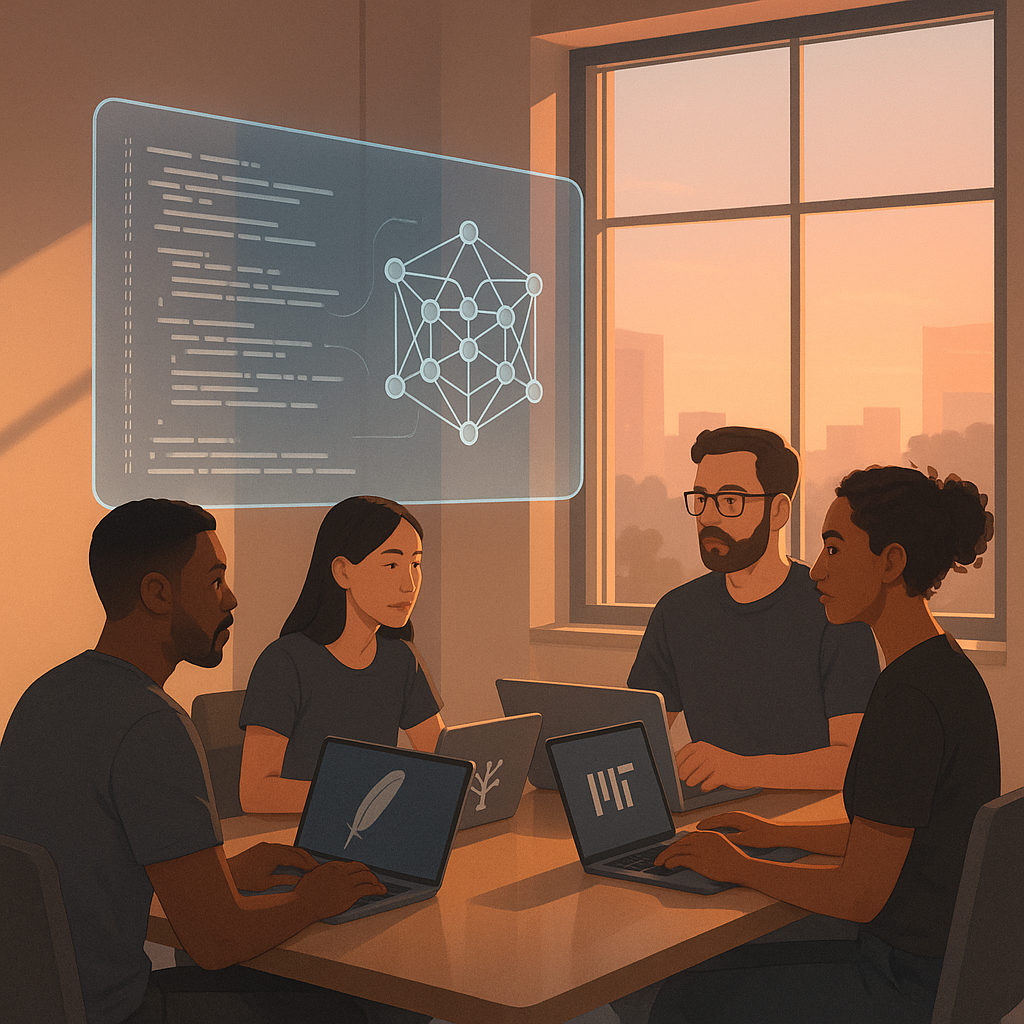
Olmo-core 3 goes right after that bottleneck by dumping fully sharded data parallelism in favor of a distributed data parallelism setup that keeps experts permanently resident on specific GPUs instead of constantly reshards weights for every tiny training batch. [IMAGE]
The performance jumps they are quoting are not minor rounding errors either. Bumping the expert pool from 8 to 128 while barely taking a hit on training throughput proves that open infrastructure can genuinely compete with closed-source monoliths. Seeing a 47-billion-parameter beast push insane token counts per second on modern hardware reminds me why I still love following real engineering breakthroughs instead of marketing hype.
We need more of this transparency in the ecosystem if smaller labs are ever going to build competitive models. When the foundational tooling becomes open and genuinely scalable, the entire playing field shifts away from whoever has the biggest pile of venture capital toward who actually knows how to engineer a fast, reliable training pipeline.