AI Native by Design: What NVIDIA Got Right With Model Connect
Forget the hype. Building software for coding agents isn't about magical prompts—it's about strict architecture and relentless automated validation....
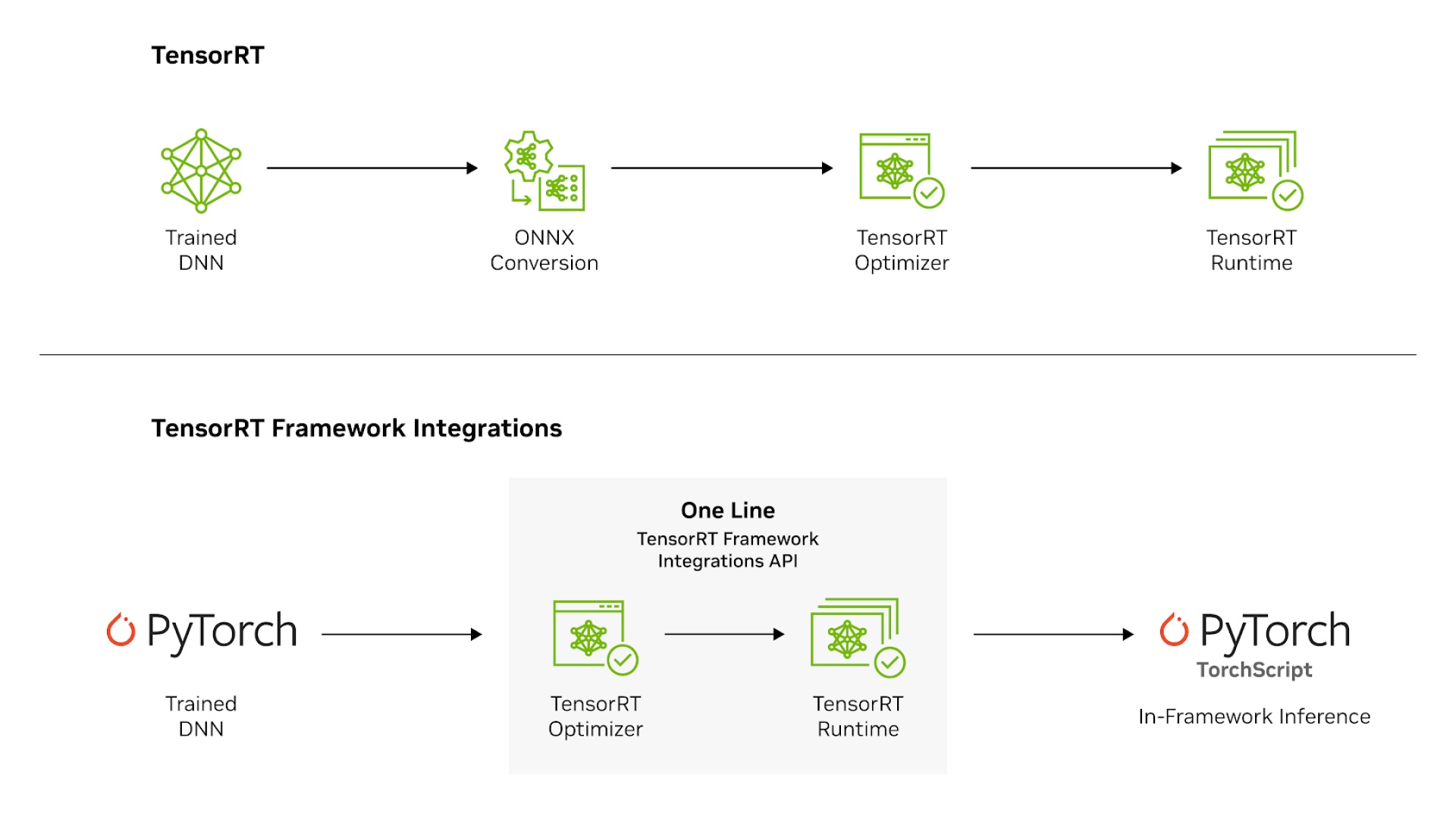
From what I can tell, Most of the discourse around building with AI coding agents is absolute noise. As far as I know, this we hear endless talk about complex orchestration graphs, prompt engineering tricks. And autonomous software engineers that it seems replace entire engineering departments by next Tuesday. It is exhausting. But every once in a while, a team strips away the promo nonsense and looks at the actual mechanics of software engineering in an agentic world. NVIDIA recently shared what they learned building TensorRT Model Connect. Their approach to being AI native by design is refreshingly grounded in reality.
They didn't just bolt an LLM onto an existing workflow. The plus, Call it a day. Instead, they asked a much harder question: what – oddly. Changes structurally when you design a codebase mainly for agents to write, modify, and test code at scale? The answers have nothing to do with clever prompt phrasing. That said, they realized that agents thrive only when the underlying problem geometry is right. You have to feed them horizontal workloads – tasks that can be cleanly isolated, parallelized, and evaluated without breaking the rest of the system. If your codebase is a tightly coupled monolith of spaghetti code. Throwing an agent at it's just a fast way to generate expensive garbage.
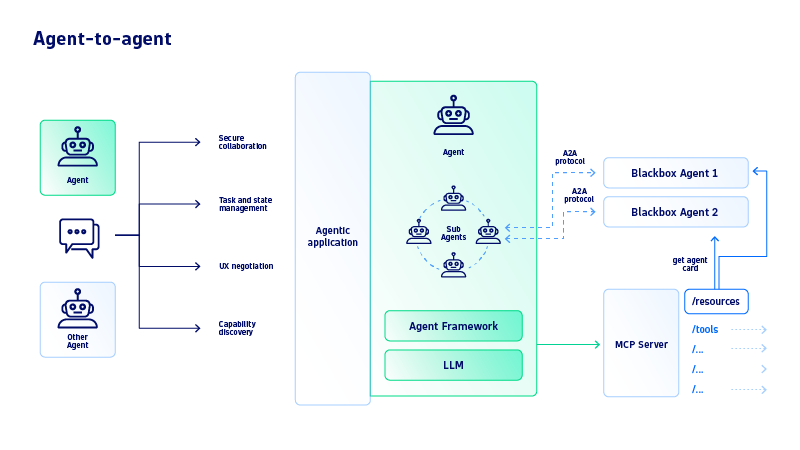
Consider how they handled model-family isolation. By making sure changes to one model don't cascade and corrupt everything else, they kept failure local and manageable. That is brilliant engineering. they treated automated validation as an absolute production constraint. Compute generates the candidates rapidly, sure. But rigorous tests, strict reference comparisons, and hard benchmarks decide what actually ships. Human judgment doesn't disappear here; it simply moves upstream to define the guardrails and objectives rather than writing every single boilerplate line of C++.
This is the blueprint we should all be paying attention to. True AI native systems treat model outputs as modular, verifiable units of work, backed by heavy GPU-powered validation loops. We're entering an era where the differentiator isn't how many lines of code an agent can churn out in a minute. It is whether your architecture is disciplined enough to handle the sheer volume of output without collapsing under its own weight. Craft still matters. In fact, in an age of infinite automated generation, clean architecture matters more than ever.









