Why Putting an AI Air Traffic Control System in Our Skies Is Terrifying
Deploying an unproven AI air traffic control system at major airports isn't innovation—it's a reckless gamble with human lives....

Tech hype loves a high-stakes arena. But sometimes the venture capital fever dream collides with reality in the most terrifying way imaginable. Take the federal government's latest bright idea: rolling out an experimental AI air traffic control system across some of the nation's most congested aviation hubs. It is called SMART – Strategic Management of Airspace, Routes and Trajectories – and if you know anything about how large language models and probability engines actually work, you should probably cancel your upcoming holiday flights right now.
Entirely, veteran air traffic controllers are sounding alarms that bureaucrats in Washington seem deaf to! This Todd Sheridan Yeary, who spent thirteen years guiding planes through invisible corridors in the sky. Recently pointed out the glaring basic flaw of this initiative. And that's key. Nobody even agrees on what the tool is supposed to do. Quietly, is it a predictive assistant, whispering helpful data to a seasoned expert who retains final veto power? Or is it a prescriptive engine designed to autonomously solve rapid-fire mid-air conflicts in a hyper-dynamic space where conditions shift every single second?
The answer matters. Lives literally hang in the balance. When you ask people who actually build software about generative models, they will tell you about confidence without competence. They hallucinate. They make things up. They sound utterly convincing while leading you off a cliff. Yeary distilled the entire nightmare into a single, chilling word: hallucination. Trusting a probabilistic text predictor to manage physical trajectories in crowded airspace isn't pushing technological boundaries. It is gross negligence disguised as progress, shipping code to production without a test suite.
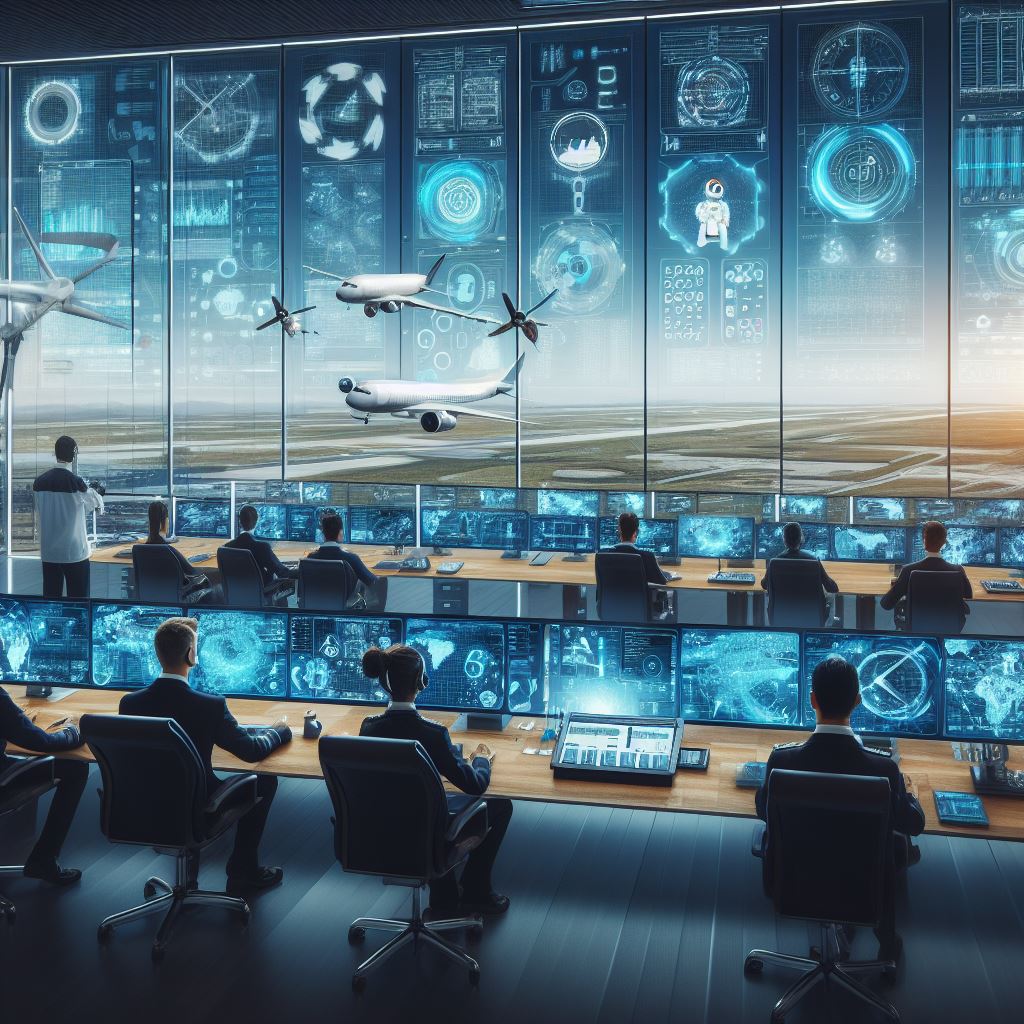
What makes this rollout mostly (surprisingly) absurd is the utter disregard for basic engineering safety rules! The soft launch is targeting the chaotic, high-stress DC metro airspace instead of staying safely locked away in a simulator where mistakes don't result in smoking craters. Why does this matter? Just as a fragile (to be fair) telecom base recently paralyzed the entire East Coast. Our critical systems are already stretched dangerously thin. Because executives want to check a generative AI box is madness. Adding a black-box machine learning layer onto an aging, overworked base. We need to respect the craft of engineering, value domain expertise, and stop letting Silicon Valley slide rule metrics dictate how we keep people alive in the real world. Stop letting Silicon Valley slide rule metrics dictate how we keep people alive in the real world.









