When ChatGPT Work Actually Makes Sense for Small Teams
Forget the enterprise hype. Here is how a two-person touring crew actually put ChatGPT Work to use and clawed back their weekends....
Most firm AI case studies make my eyes roll into the back of my head. You read through endless paragraphs of corporate jargon about — oddly — teamwork and digital change. Only to find out a massive conglomerate saved twenty minutes on a quarterly spreadsheet. But every once in a while, a story pops up that strips away the Silicon Valley varnish and shows you what practical use actually looks like on the ground. But every once in a while, a story pops up that strips away the Silicon Valley varnish and shows you what practical use actually looks like on the ground.
Take the folks running the ATV Big Air Tour. We are talking about a two-person leadership team orchestrating twenty-six massive live events nationwide, wrestling with logistics, travel, local marketing, and merchandise inventory while the clock is constantly ticking down. When you are that lean, manual overhead isn't just annoying; it is an existential threat to your sanity and your growth. They didn't adopt AI because some consultant in a polyester suit told them to. These people did it because they were drowning in repetitive, mind-numbing administrative sludge and desperately needed a lifeline.
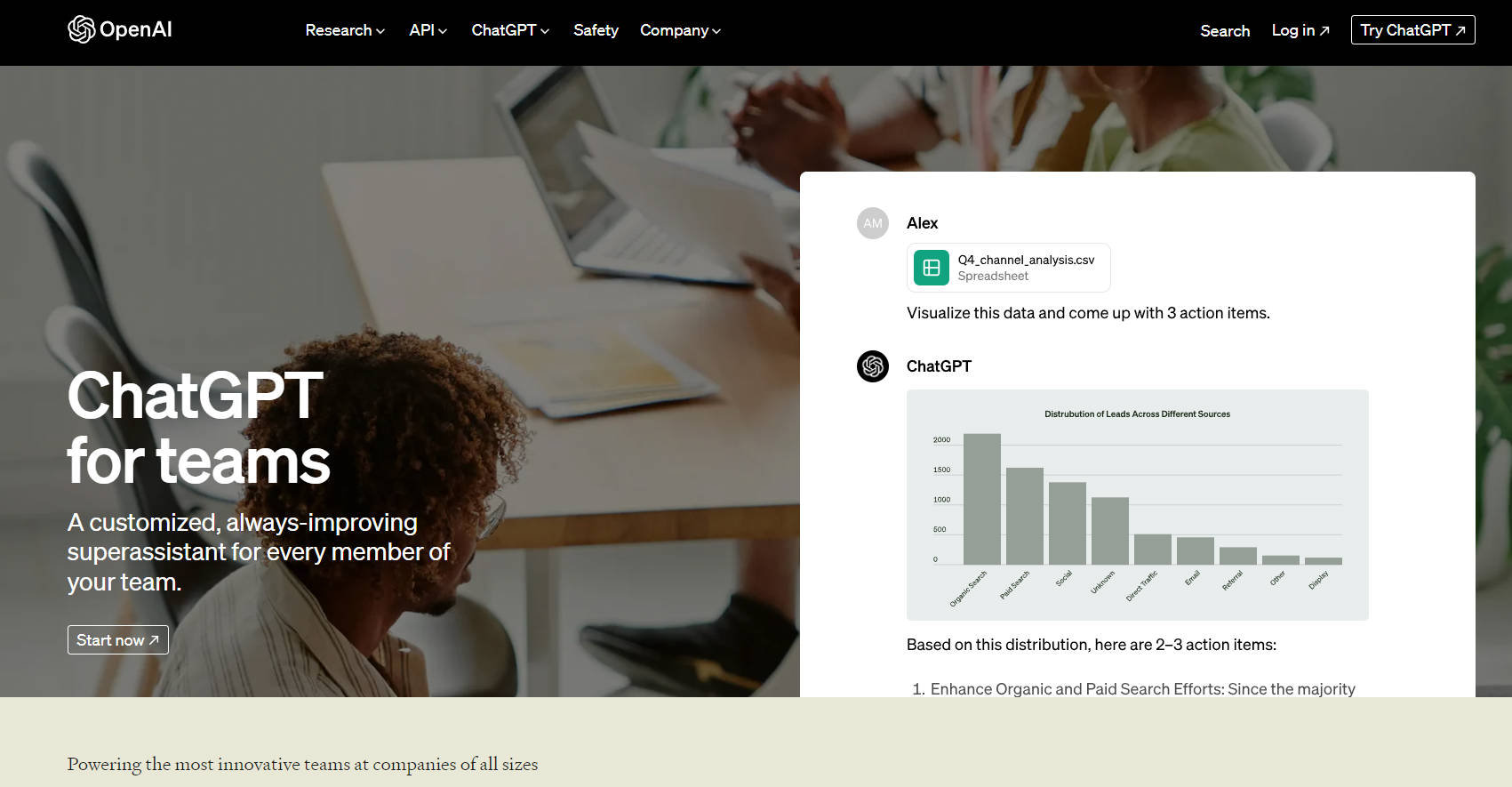
By plugging ChatGPT Work into their daily grind, they managed to slash three days of miserable inventory counting down to a manageable three-hour block, while dropping their weekly event-listing audits from an entire workday to a single hour. Think about that for a second. That is not about replacing human creativity or trying to write bad poetry with algorithms. That is about using software to do the boring, deterministic heavy lifting so real people can focus on actually running their business and interacting with their audience.
This is the exact kind of pragmatic engineering and tooling adoption I can respect. Too many builders get caught up chasing abstract features and — to be fair. The absolute bleeding edge of hype without asking the basic question: does this actually solve a real, bleeding pain point? Modern AI tooling stops feeling like a gimmicky parlor trick. Starts feeling like the use small teams have needed for decades to survive against lumbering corporate behemoths with bottomless budgets when used correctly.