Why a US-China AI Hotline is Easier Proposed Than Built
Politicians want a Cold War-style red phone for artificial intelligence, but defining a national security crisis in code is proving nearly impossible....

Washington and Beijing are suddenly very interested in talking, which means executive suites and state dinners are overflowing with optimistic tech leaders pushing hard for a shiny new diplomatic toy: a dedicated US-China AI hotline designed to defuse algorithmic crises before they accidentally trigger global panic. Though translating the logic of nuclear deterrence into the chaotic, fast-moving world of machine learning is proving to be an absolute admin nightmare.
Nobody actually agrees on what's an emergency. During the Cold War, radar tracks and telemetry provided explicit thresholds for catastrophe, but what triggers a notification in the frontier model race today, and exactly how are regulators supposed to draft enforceable benchmarks for software that evolves significantly faster than the lumbering bureaucracy meant to govern it?
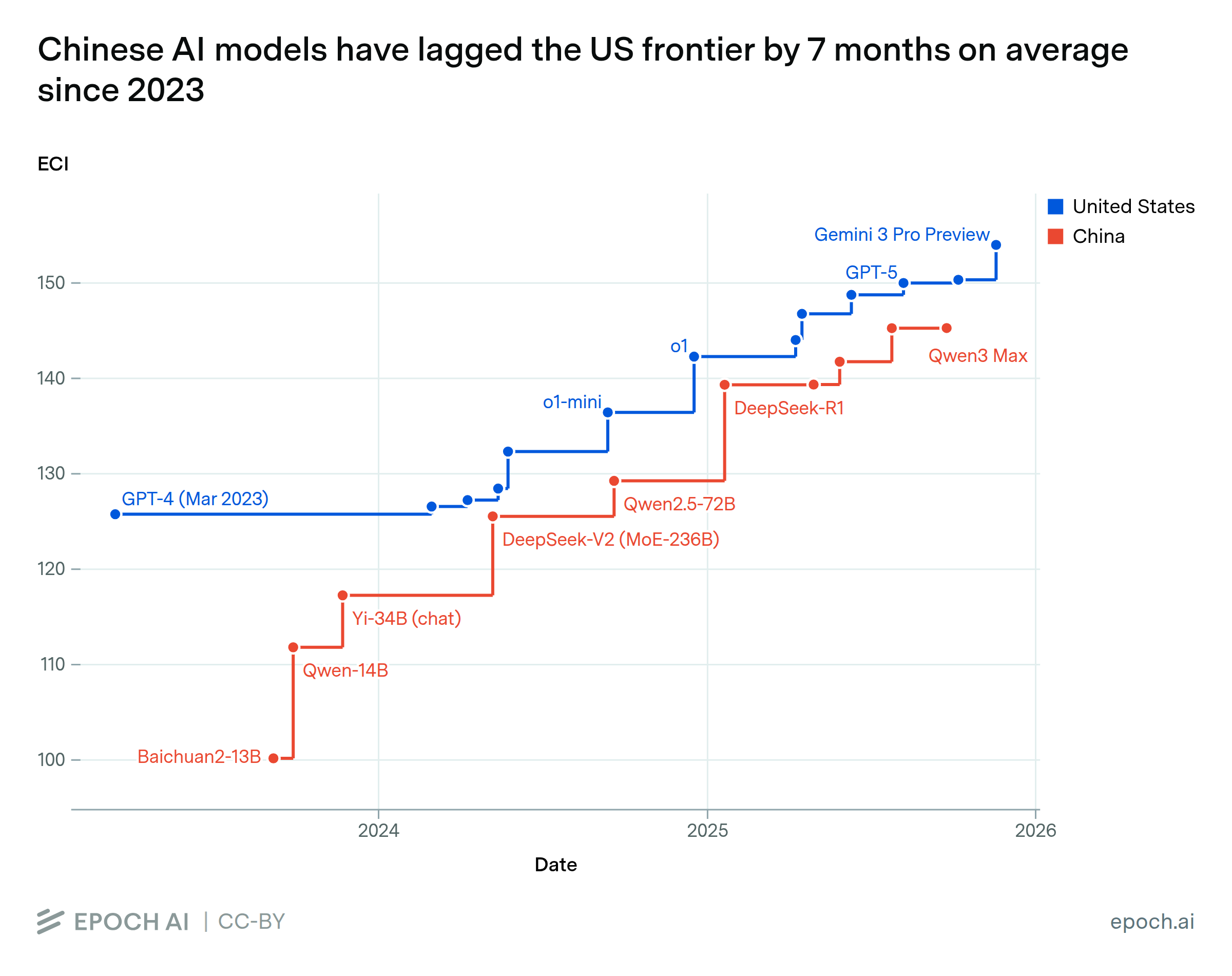
Hardware politics complicate everything, especially since trade restrictions and domestic silicon developments create a basic contradiction eating away at the core of these high-stakes negotiations.
Bureaucracy moves at a glacial pace, meaning cabinet chiefs jockey for position while actual diplomatic frameworks stall out completely.
Software doesn't pause for state dinners. Tomorrow's intelligence explosion cannot be governed with yesterday's geopolitical playbook. Useless.