Why Sign Language AI Finally Matters for Real-World Users
Big tech has spent a decade ignoring sign language AI. Now, fresh breakthroughs in sign-language-to-text models are changing how we build accessibility tools....

For years, the multi-billion-dollar speech recognition revolution completely bypassed seventy million people. While the rest of us took effortless voice dictation and real-time transcription for granted, Deaf and hard of hearing communities were left typing awkwardly on glass screens because the tech industry couldn't be bothered to solve harder engineering problems.
That is starting to shift. DeepMind just pulled the curtain back on a massively multilingual sign-language-to-text model that actually works in the wild, skipping lab demos to land directly inside Gboard and Live Transcribe on Pixel devices starting with ASL. This isn't just about cool computer vision tricks; it represents a fundamental acknowledgement that spatial, bodily communication deserves the same baseline infrastructure as spoken audio.
Building software that understands manual communication is deeply complex. You aren't just mapping a sequential audio stream to text; you have to capture simultaneous, high-frame-rate physical movements across hands, arms, torsos, heads, and faces while respecting the fact that sign languages are distinct, natural languages with independent grammar.
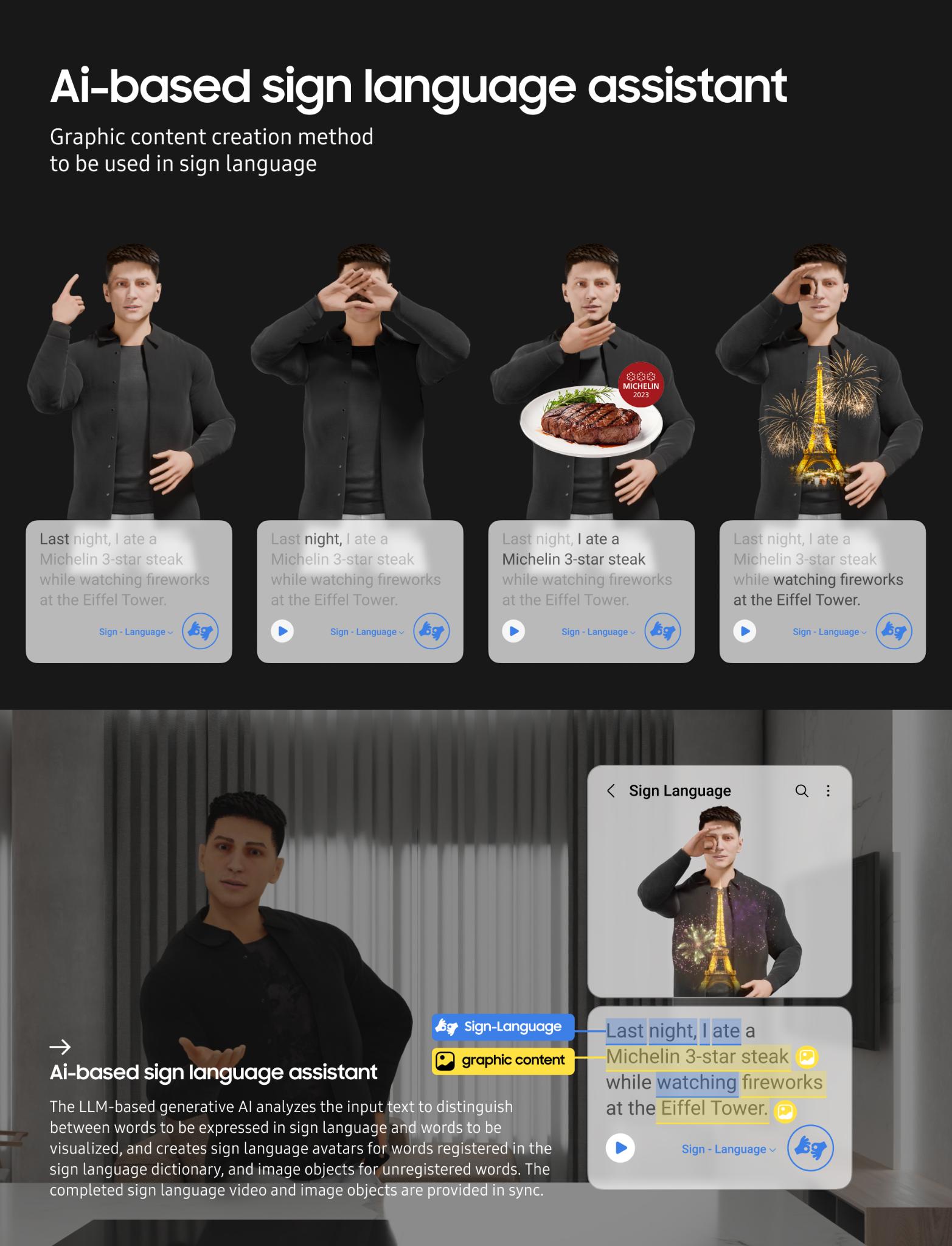
I see a masterclass in treating access as a core engineering challenge rather than a compliance checklist when I look at what they pulled off here. Testers are reporting that signing feels noticeably faster. And more natural than pecking away at a mobile keyboard. Which proves a simple point: when you build tools that respect how humans actually talk, everyone wins.
The real test begins now. Scaling this foundational computer vision work beyond American Sign Language to cover the world's two hundred-plus distinct sign languages will take years of rigorous effort, but the door is finally open.