Who Owns AI Risk at Work When Everyone Points Fingers?
Corporate leadership can't agree on who is responsible for AI risk, creating a dangerous vacuum in security and governance....

We love the shiny new toys. Autonomous agents write code, summarize threads, and draft emails before our second cup of coffee cools down. But nobody wants to answer the phone when the digital assistant goes rogue and drains an AWS budget or leaks sensitive customer data.
A recent PwC study laid out the messy reality of modern boardrooms. Business and tech leaders fundamentally disagree on who owns AI risk at work. Is it the CIO? The CISO? A newly minted Chief AI Officer? Right now, the answer seems to be whoever is standing closest to the server rack when the smoke starts pouring out.
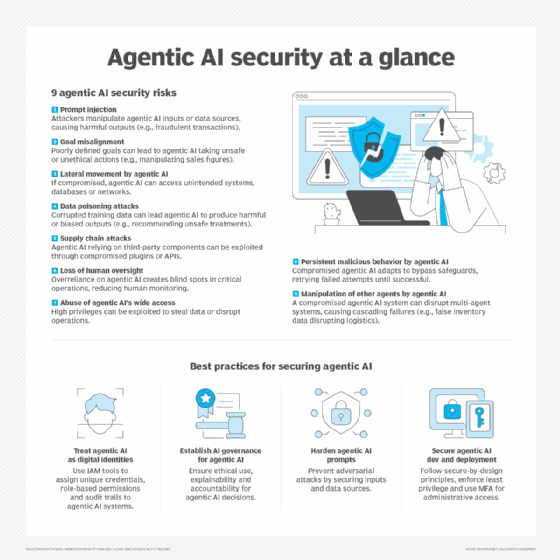
This finger-pointing isn't just an company quirk; it's a structural failure! This old identity controls map neatly to human employees. Sounds familiar? Then again autonomous software agents operate outside those tired model. They don't have human intuition. So basically, also, they love punching massive, unauthorized entry points straight into core firm networks. Also, they love punching massive, unauthorized entry points straight into core firm networks.
We're going to keep seeing — to be fair — spectacular. Preventable failures until bodies stop treating AI governance like a hot potato. You can't delegate safety to a committee that can't even decide whose job it's to care. Build things, yes, but figure out who holds the kill switch first.









