ChatGPT Images 2.5 is a faster, sharper tool for builders who actually ship
OpenAI dropped ChatGPT Images 2.5, bringing faster speeds, localized editing, and better reference fidelity to creative workflows....
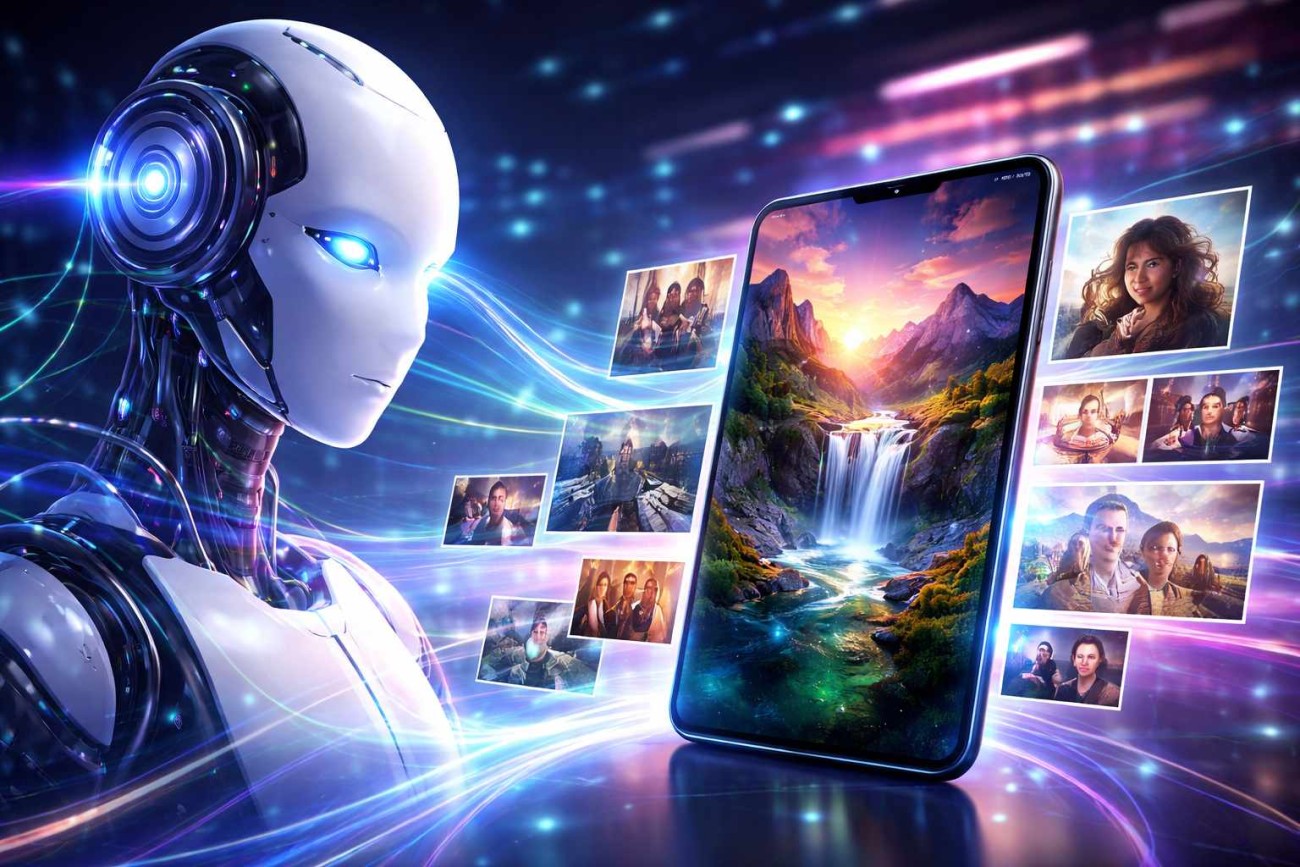
OpenAI just rolled out ChatGPT Images 2.5, and frankly, I am glad they focused on the boring stuff. The everyone loves a shiny new benchmark to tweet about — when you are actually trying to build products, tweak UI mockups. Or generate brand assets under a deadline, hype is completely useless. Probably, you need speed, you need consistency, and above all. You need a model that listens to your precise instructions without hallucinating a entirely other composition on the fifth iteration. On that note, this update aims right at those output headaches.
The standout engineering win here is the raw latency reduction. Cutting generation time in half changes how you work with an AI tool in real time, moving it from a frustrating, stuttering wait-and-see loop into something that actually feels interactive. When your feedback loop is fast enough, brainstorming stops being a chore. Pair that speed with localized editing that actually respects the boundaries of your prompt – leaving the surrounding pixels alone instead of turning your background into a surrealist nightmare – and you have a utility that belongs in a real workflow.

For developers and small teams wiring this into output pipelines via the API, the intro of separate tiers like Flare and Sunburst shows a pragmatic idea of trade-offs. Sometimes you need a quick draft; other times you wanted absolute, pixel-peeping precision. Being able to choose your poison based on the constraints of your project is how real software tooling should work.
Of course, it's still just a model, and it will still occasionally output weird hands or misread overly convoluted prompts. So it but by doubling down on reference fidelity, multi-turn consistency. So basically, sketch-to-image controls, OpenAI has made something genuinely usable. It turns out that when you stop chasing pure sci-fi aesthetics and start refining the developer and creator practice. The actual output gets a whole lot better – at least for now.