Google Wants AI to Make Boring Phone Calls for You, But at What Cost?
Google's new Pixel tool lets Gemini make phone calls for you, but paying a monthly subscription to dodge human interaction feels like peak dystopian tech bloat....

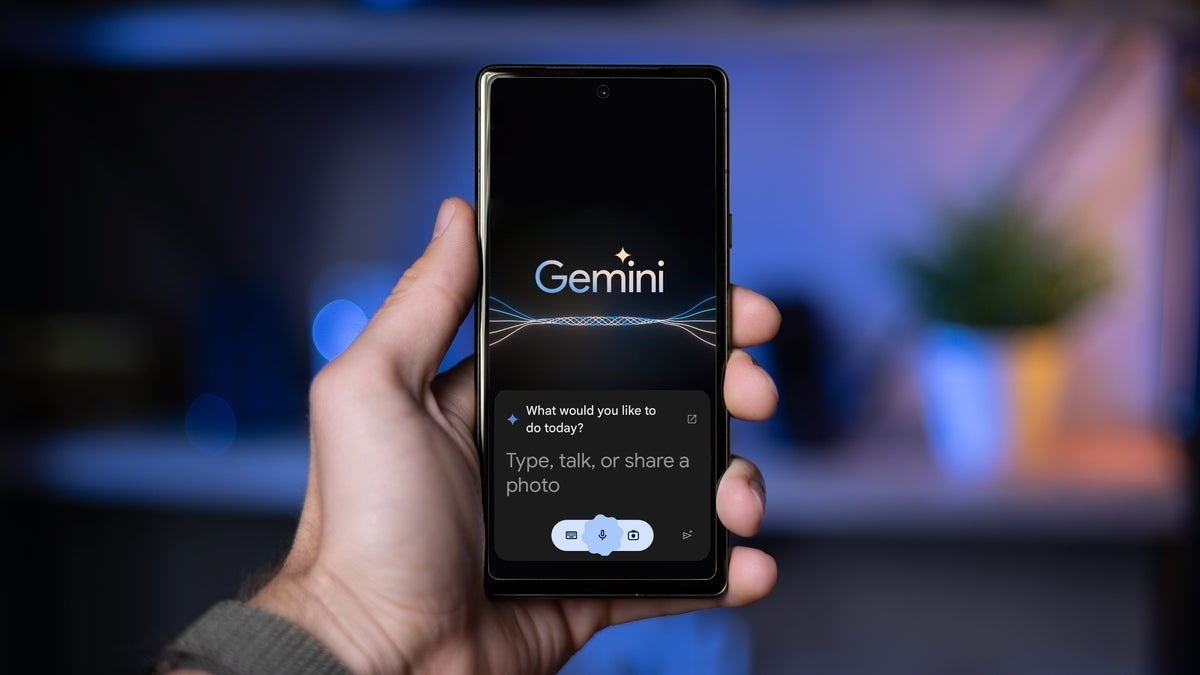
Officially, we've reached the point in our tech timeline where talking to a human on the telephone is considered an exhausting chore requiring automated intervention. It google's latest beta feature for the Pixel lineup, aptly dubbed Call for Me, use Gemini to dial local businesses, haggle over availability. While you presumably stare blankly at a wall, and patiently wait on hold. You type a quick instruction into an app – asking if a local bistro has a table for two tomorrow night or checking whether a hardware store carries a specific bolt. And hand the social friction over to a machine. Speed is great, clearly. Still, outsourcing the most basic acts of human talk to a synthetic voice feels less like progress and more like social retreat.
Let us look at the actual mechanics and the fine print here, because the barrier to entry is delightfully steep for a feature meant to save you time. First, you need one of Google's newest, most expensive phones. Then, you need a recurring subscription fee ranging anywhere from five dollars to an eye-watering two hundred bucks a month just to unlock the privilege of letting an algorithm bother a receptionist. But the real kicker isn't the cost. It is the liability. Google casually notes that your phone number handles the call, meaning if a frustrated local business decides your AI agent exhibits suspicious bot-like behavior and permanently blocks your digits, that fallout lands squarely on your shoulders.
We are watching a strange cultural shift happen in real-time. Tech giants are aggressively monetizing our collective aversion to awkward small talk, wrapping it in shiny agentic marketing while shifting all operational risks onto the end user. If an automated assistant botches an appointment booking or alienates a small business owner who hates dealing with robots, the corporate monolith walks away clean, leaving you to explain why a synthetic voice just interrogated them about soup. Good engineering solves genuine friction. This feels like manufacturing a new subscription tier for a problem we barely had a decade ago.
Ultimately, I would rather pick up the handset, stammer through a reservation, and talk to a living person for thirty seconds than pay a tech conglomerate a monthly ransom to do it poorly. Sometimes, the friction is the point.









