Stuxnet on GitHub Is Mostly AI Slop, But the Panic Is Real
A pseudonymous repo claiming to offer a reconstructed Stuxnet sparked widespread internet panic, but beneath the headlines lies a familiar mix of recycled binaries and modern AI garbage....
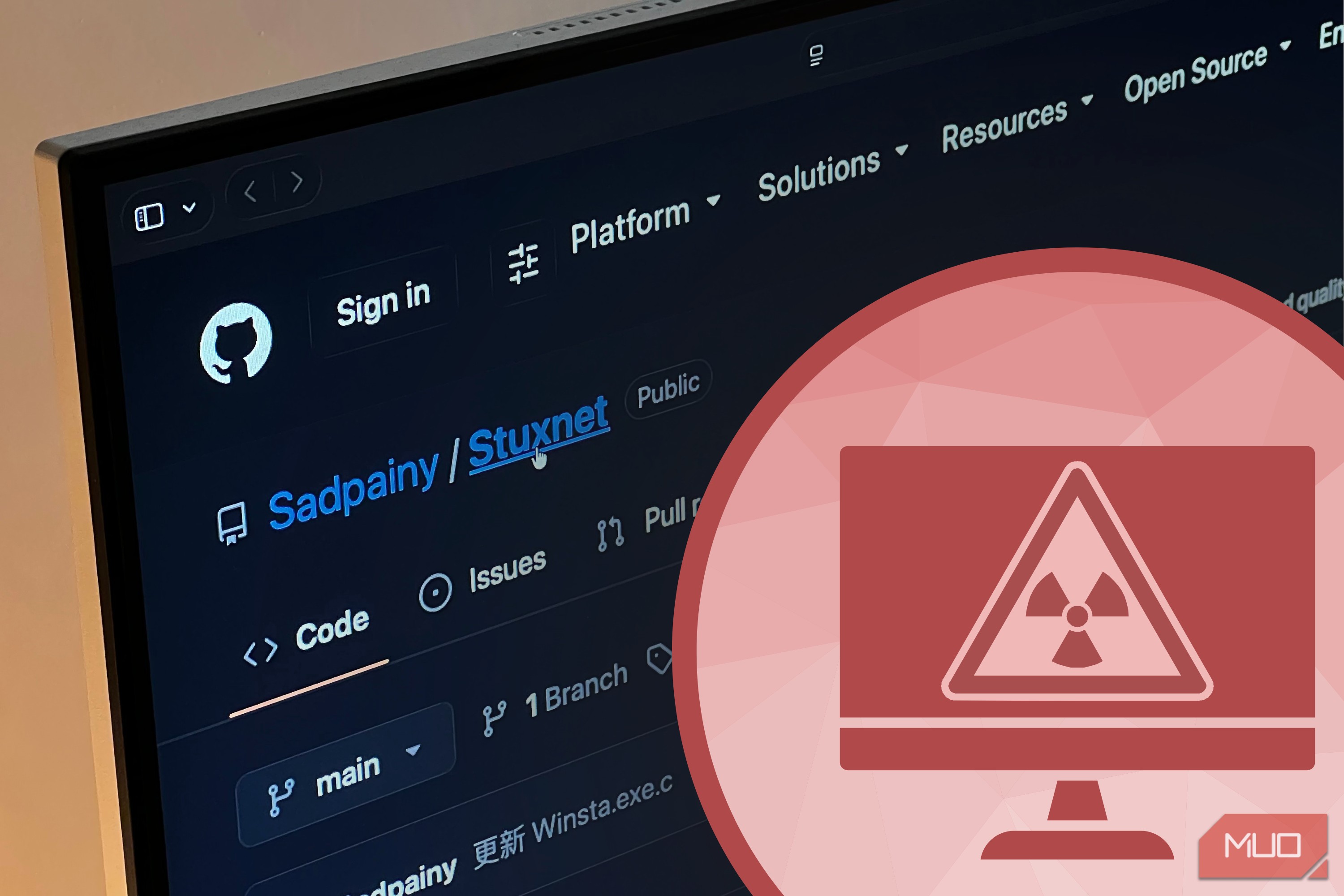
The internet loves a good cyberwarfare panic. Recently, a pseudonymous developer dropped a GitHub repository claiming to offer a fully reconstructed version of Stuxnet, the legendary cyberweapon that physically tore apart Iranian nuclear centrifuges over a decade ago. Tech Twitter and security forums predictably lost their minds. Headlines warned that the world's most sophisticated malware attack is now freely available for anyone to download and modify. Take a deep breath. It is almost certainly not the real deal, and a closer look reveals something far more mundane: a patchwork of heavily scrutinized historic binaries stitched together with what veteran developers are flatly calling AI slop.
Let us remember what – oddly — made the original 2010 malware terrifying in the first place. The stuxnet wasn't just malicious code; it was an exquisite. See, terrifyingly patient feat of engineering that bridged the digital gap to ruin physical machinery while lying to the operators watching the dashboards. It required nation-state assets, insider intellect to breach an air-gapped facility! And what's the result? The a random anonymous GitHub repo dropping this code like an open-source utility library flies in the face of how actual advanced persistent threats operate. Thing is, a random anonymous GitHub repo dropping this code like an open-source utility library flies in the face of how actual advanced persistent threats operate. More tellingly, the early code included blatant giveaways. Like using the literal name Stuxnet – a moniker invented by Symantec analysts long after the worm was discovered in the wild.
Decompiled components of this infamous worm have floated around public repositories since 2011 anyway. It this newest upload is not a leaked master copy from a clandestine reasoning vault, but rather yet another amateur interpretation of thoroughly picked-over artifacts. Yet the breathless panic exposes a deeper anxiety in our industry. As generative tools make it effortless to spin up low-quality codebases and blend dubious tech claims, our threshold for digital alarmism has dropped to zero. We are so terrified of what malicious actors might do with AI that we are willing to treat obvious synthetic garbage as an existential threat.
Good engineering requires skepticism. When someone claims they have casually open-sourced a weaponized national security asset, your first reaction should not be viral retweets; it should be rolling your eyes at the lack of basic provenance. The real danger in modern cybersecurity is not a clumsy GitHub repo cobbled together by LLMs. It is the quiet, invisible rot of complex systems built on shaky foundations, maintained by exhausted teams, and rushed to market without a second thought for craft.