Evaluating AI Agent Skill Performance in a Hype-Driven Ecosystem
NVIDIA’s new open-source evaluation layer brings rigorous benchmarking to AI agent skills, proving once and for all what actually works....
We are drowning in agent hype. Every single week, a fresh framework drops, promising autonomous utopia while quietly burning through thousands of tokens just to execute a basic file read. The dirty little secret of modern LLM engineering is that agents wander. They get lost in tool documentation, hallucinate syntax, and burn capital on endless dead ends because they lack proper grounding. Context is everything. Yet, giving an agent more text rarely fixes the underlying architectural rot; we need precise, testable capability packaging.
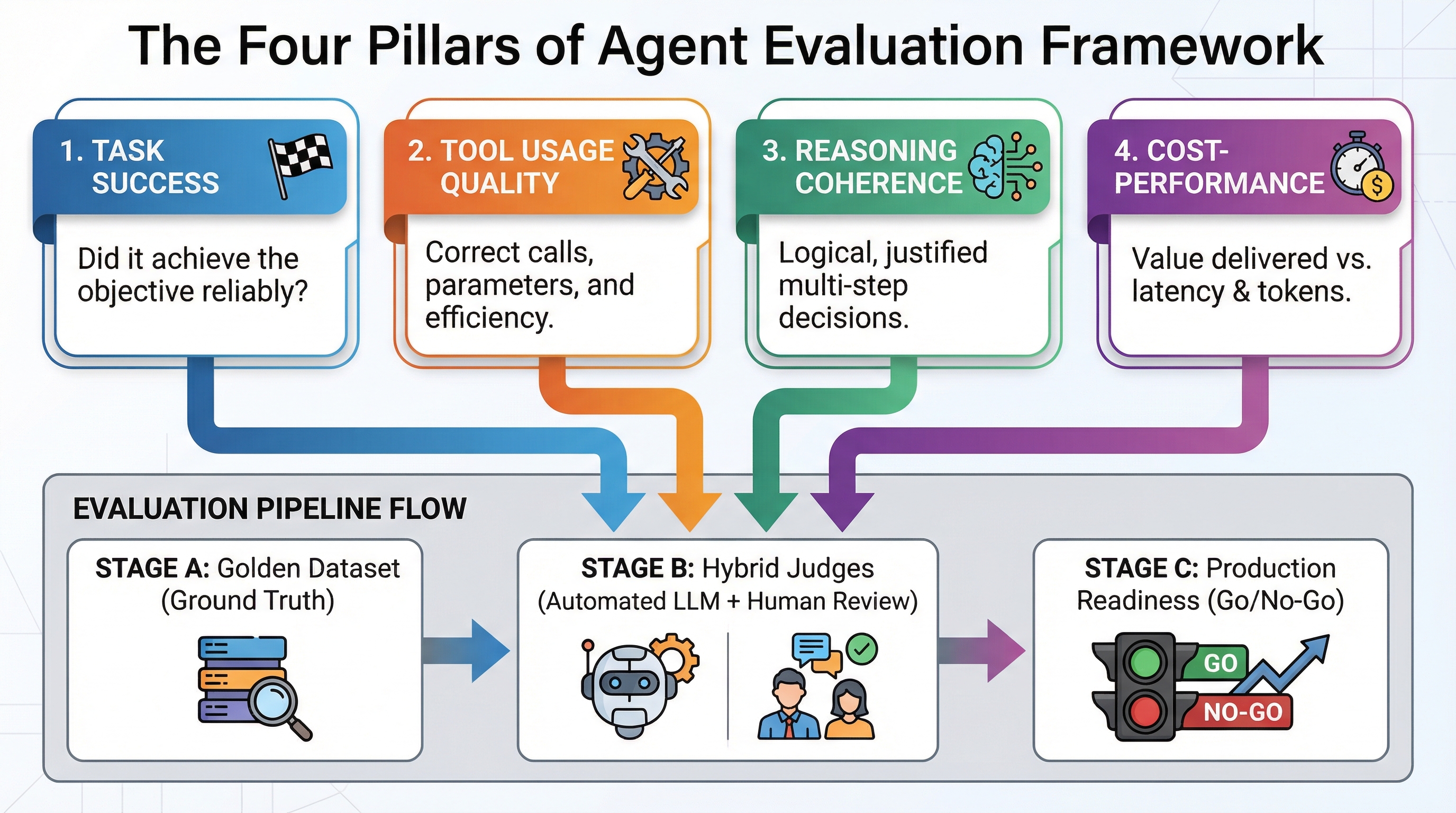
This is why NVIDIA releasing SkillEvaluator caught my attention. Instead of another hand-wavy benchmark built on vibes and marketing spin, they've built an open tool for measuring how specific skills actually impact agent performance. It uses a clean three-tiered methodology. Static checks weed out security vulnerabilities and structural flaws, embedding similarity hunts for catalog bloat, and live sandbox runs test raw utility. They run agents twice on identical tasks – once with the skill loaded and once blind – to calculate a true delta they call Skill Lift.
That controlled comparison matters deeply to anyone building actual software. Too many developer tools rely on anecdotal wins rather than reproducible science. By isolating the experimental variable to just the skill file itself, engineers can finally stop guessing whether a prompt modification helped or simply got lucky.
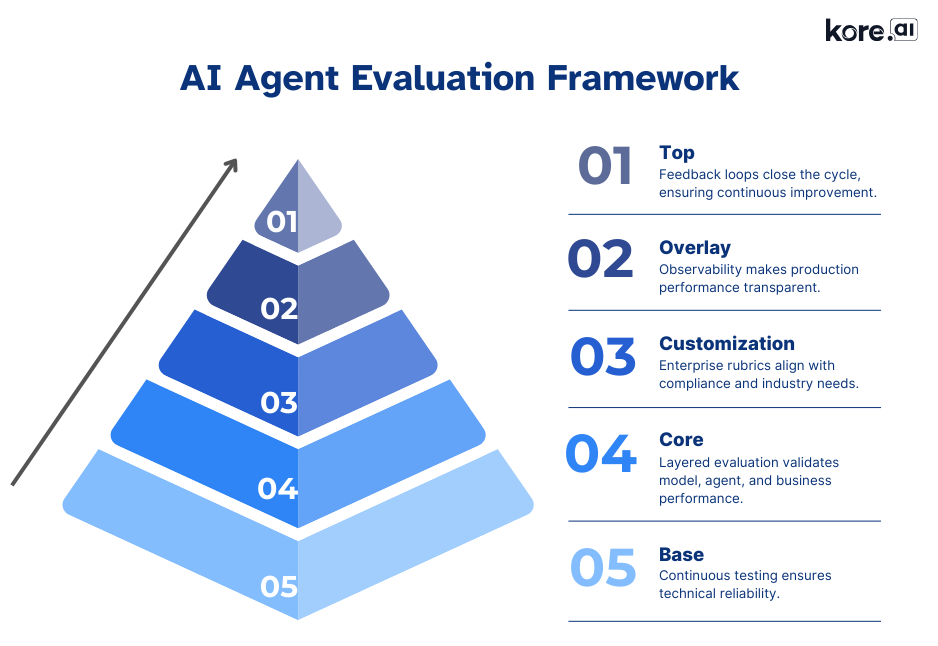
Ultimately, this signals a shift toward engineering maturity in the agent ecosystem. We're moving past the — oddly — wild west of prompt engineering into an era of verifiable software components. Crossing, building reliable small-team system gets a whole lot easier when you can measure speed gains across hundreds of specialized products instead of your fingers. When you can measure speed gains across hundreds of specialized products instead of your fingers, crossing, building reliable small-team system gets a whole lot easier.
Of course, tools are only as good as the discipline of the teams wielding them. But having a standard way to separate snake oil from actual capability improvement? That is a massive win for builders who care about craft.









