Intel's Nova Lake and the Trap of Big Last Level Cache Specs
Intel is gunning for AMD with massive Big Last Level Cache specs, but raw numbers rarely fix a fundamentally flawed hardware strategy....
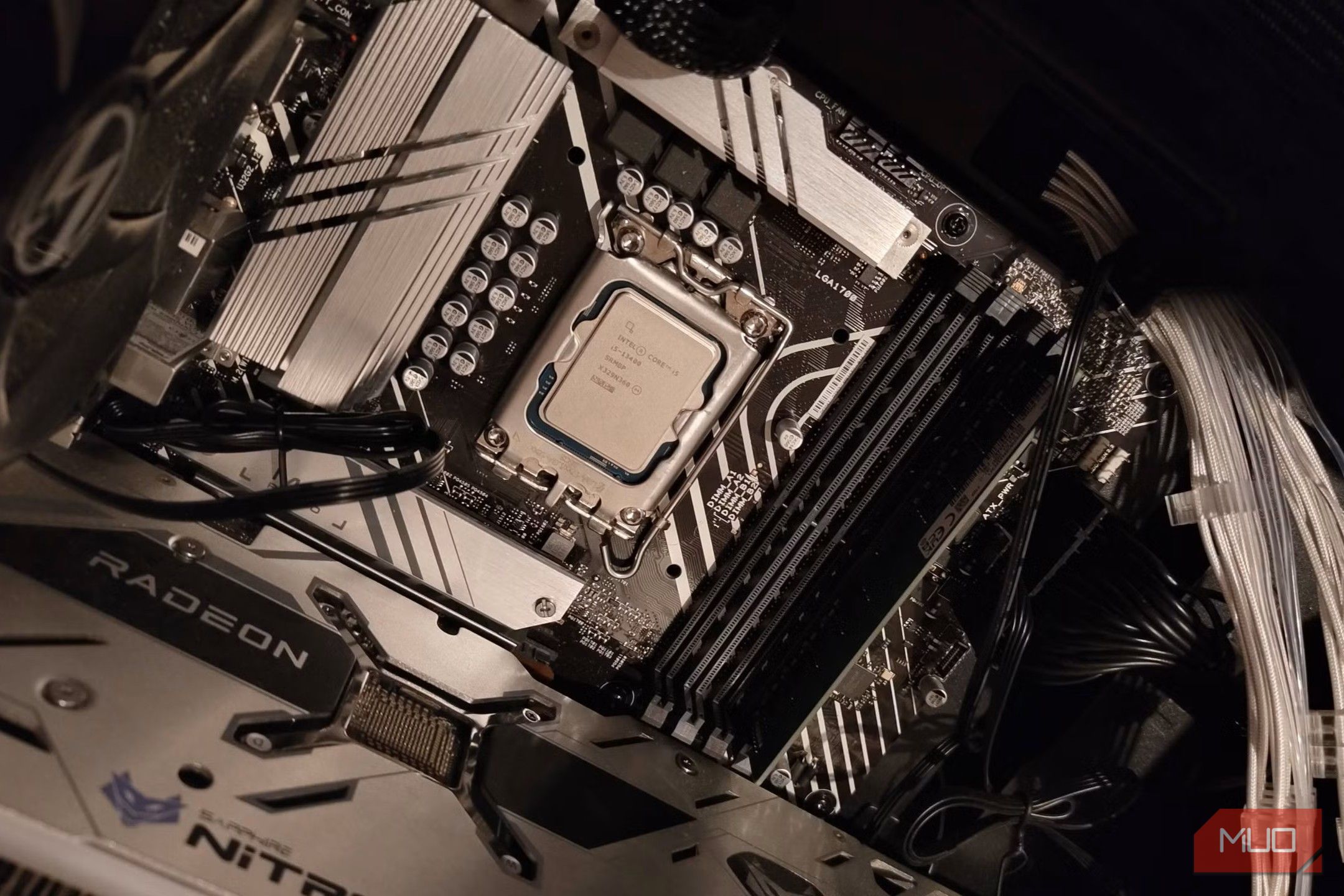
For the better part of a decade, AMD has owned the PC building conversation. While Intel stumbled through node transitions and architectural dead ends, Team Red methodically engineered the Zen setup into the default choice for everything from budget rigs to heavy-duty workstations. Then came 3D V-Cache, a brilliant stacking solution that basically solved gaming latency overnight and widened an already embarrassing performance chasm. Intel watched from behind, scrambling for a counterpunch.
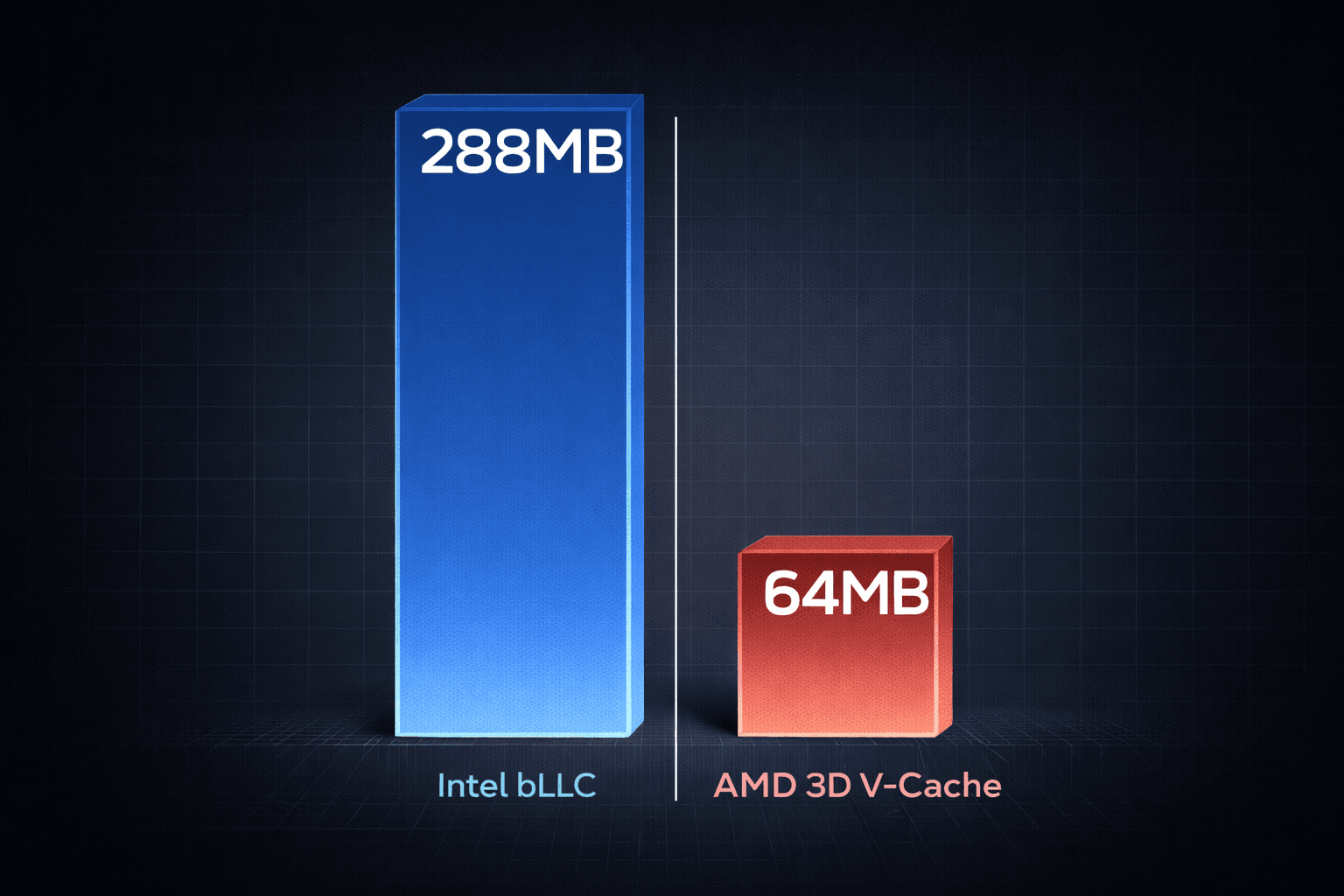
Enter Nova Lake, Intel's upcoming silicon family and their supposed grand return to form. The headlining feature is bLLC, or Big Last Level Cache. Rumors point to a staggering 288MB of cache on the flagship silicon. That dwarfs AMD's current heavy hitters on paper. Sounds incredible, right? It isn't that simple. Instead of stacking SRAM like AMD does, Intel is baking this massive pool directly into a much larger compute die. The result is a physically gigantic piece of silicon with terrifying power requirements and latency questions that won't get answered until actual hardware hits the test bench.
Here is where the strategy completely falls apart for real builders. Intel plans to gatekeep this bLLC technology exclusively for its highest-end, hyper-expensive silicon. We are talking about a rumored 52-core monster that drinks 474 watts at peak turbo. Who actually buys that? Not gamers. Not developers running normal rigs. You are looking at an exorably expensive niche that demands liquid nitrogen levels of cooling and a power supply the size of a car battery, all while ignoring the mainstream builders who made AMD's X3D chips ubiquitous.
AMD won because they democratized cache, putting it in mid-tier chips that normal humans can afford and cool without melting their motherboards. The putting it in mid-tier chips that normal humans can afford and cool without melting their motherboards. Intel is treating bLLC like — oddly — an elite luxury trophy rather than a practical engineering solution. Here's the deal: until they understand that raw spec-sheet vanity means nothing to people actually building and shipping things, Team Blue will keep missing the mark.









