GPT-6 Sol and Luna Try to Solve the AI Cost Problem
OpenAI is cutting prices and splitting its flagship architecture, but cheap intelligence doesn't automatically mean better software....
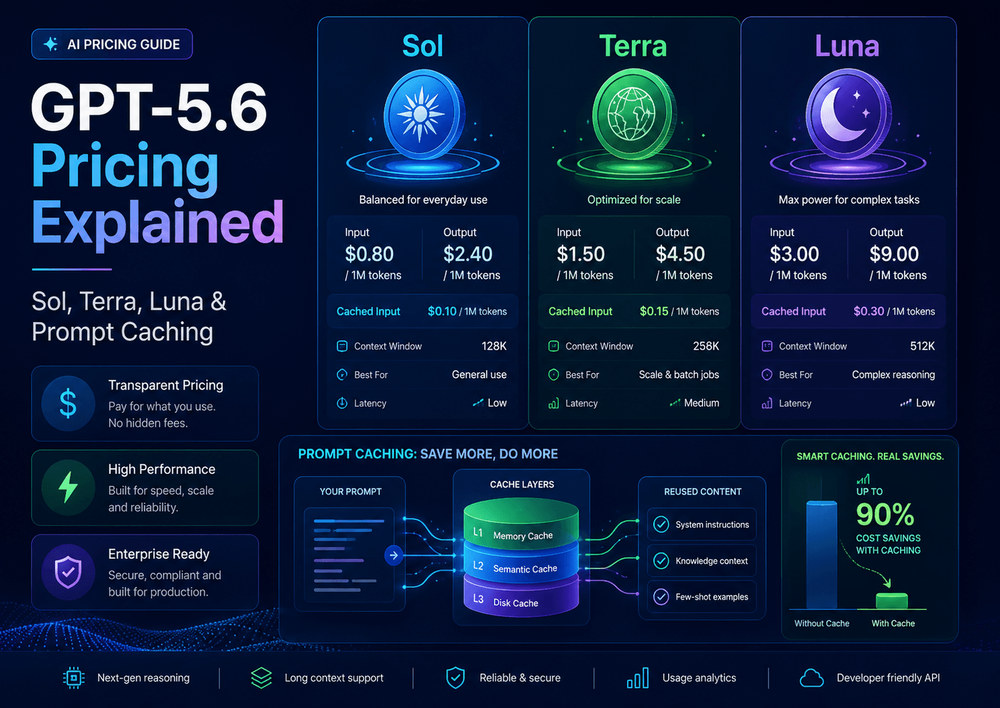
OpenAI just expanded its flagship lineup with GPT-6 Sol and Luna. Attempting to fix the glaring economic reality that running frontier models for every trivial background task is a fast track to bankruptcy. Everyone loves the raw capability of a massive, uncompromising neural network until the cloud bill lands on the desk. That's exactly why the industry has pivoted hard toward tiered model families. Carving up monolithic designs into leaner, faster variants that won't utterly crush a small team's monthly burn rate.
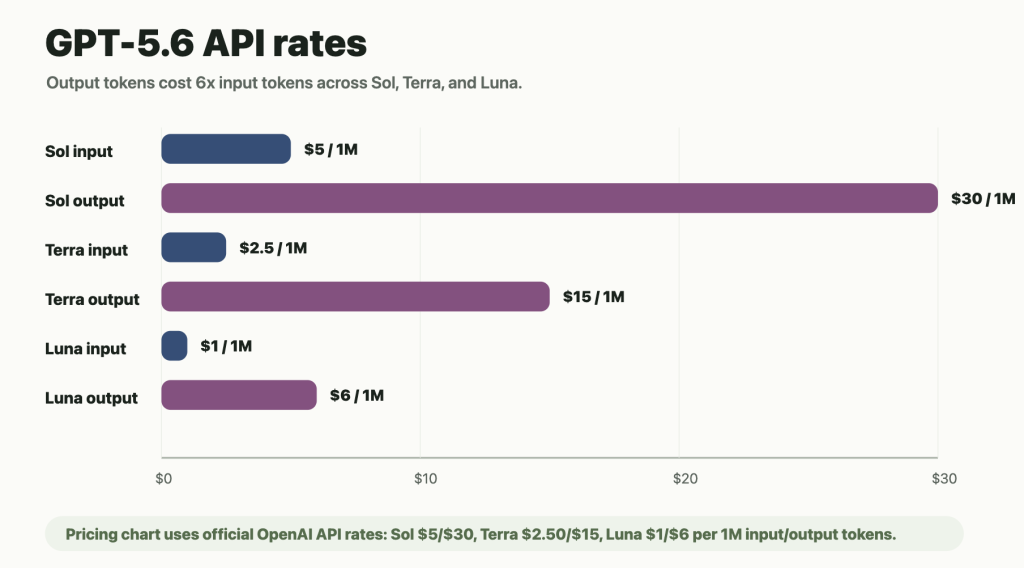
The pitch here is straightforward: take the core breakthroughs of Astra, shave off the fat through clever caching and inference tweaks, and slash API pricing by half compared to the previous generation. On paper, the benchmarks look ridiculous. Sol apparently punches way above its weight class on complex workflows while costing a fraction of competitor options. But let's be entirely honest for a second. We have all seen marketing teams cherry-pick esoteric benchmarks to prove dominance over rival systems. Raw performance on a synthetic test suite rarely translates cleanly to building resilient, production-ready software that handles messy real-world edge cases.
What actually interests me isn't the leaderboard flexing. It is the steady commoditization of competence. When you can drop a mid-tier model into an asynchronous loop for pennies, the architecture of the application itself starts to shift. You stop treating inference like a precious, expensive database call. Instead, you throw compute at mundane data-cleaning jobs, automated refactoring passes, and continuous validation checks without wincing. That changes how small teams build.
Magically, of course, lower costs — oddly—do not fix bad prompt engineering or sloppy system design. I mean, the a cheaper hallucination machine is still just a cheaper hallucination machine! And what's the result? Thing is, i care far less (to be fair) about shaving another five percent off a task cost. Far more about deterministic output and predictable latency. If Sol and Luna actually deliver Astra-grade factuality without the astronomical overhead, they might genuinely earn a permanent spot in our toolchain. Until then, I'll keep writing solid fallback logic. Because no amount of price-cutting replaces careful setup.