Why PP-OCRv6 Proves We Don't Always Need Massive Vision Models for Text Extraction
Forget heavy vision-language models for basic text extraction. PP-OCRv6 scales efficiently from 1.5M to 34.5M parameters, proving that focused engineering still beats bloated brute force....
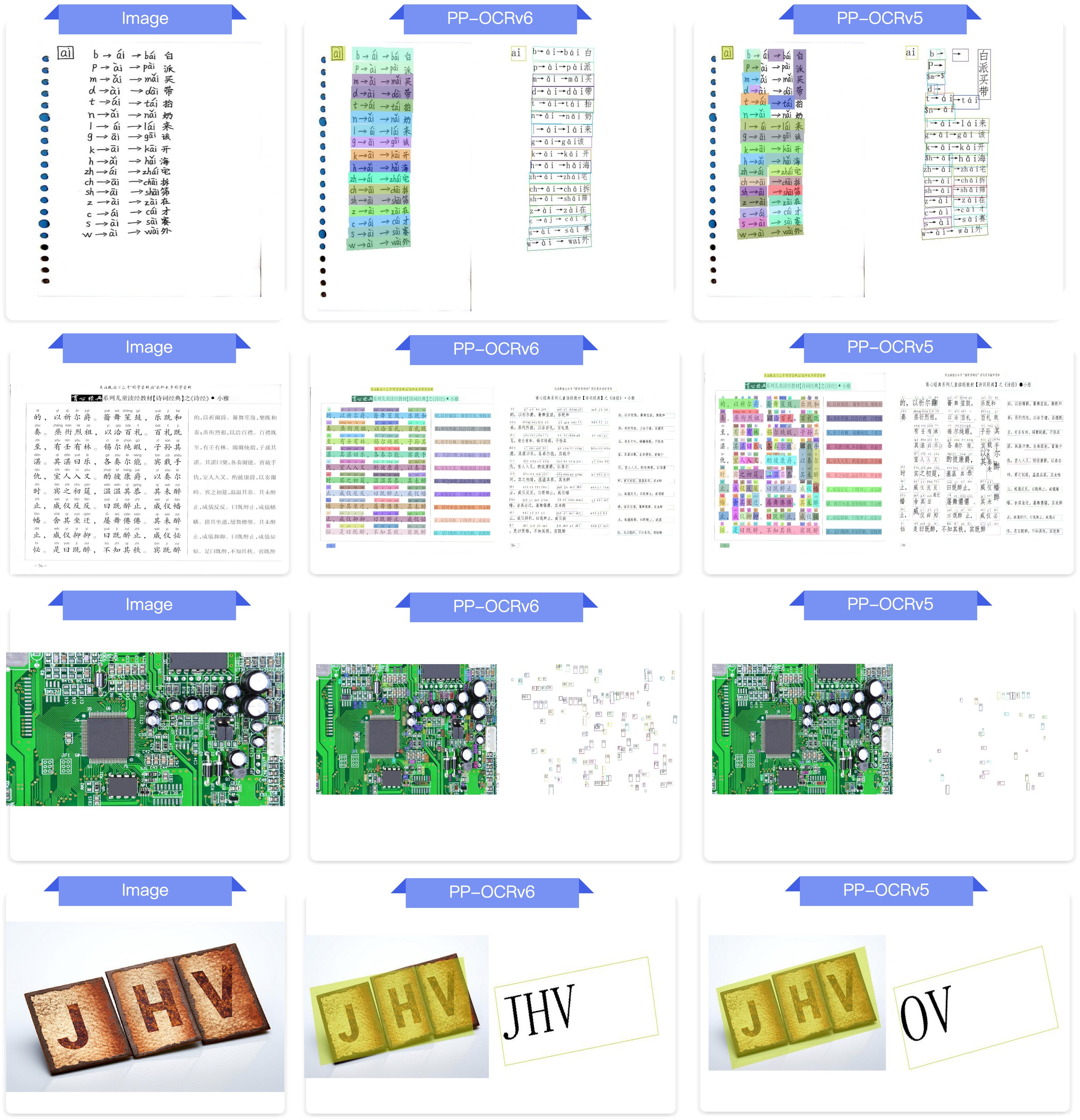
Every time a new trillion-parameter vision model drops, the internet collectively loses its mind. People start wiring up giant multimodal architectures just to read a shipping label or parse an invoice. It is absurd. We are burning massive amounts of GPU compute on tasks that a well-designed. That's why I pay attention when projects like PaddleOCR push updates to their specialized stacks instead of jumping on the latest generative hype train. That is why I pay attention when projects like PaddleOCR push updates to their specialized stacks instead of jumping on the latest generative hype train.
The newly released PP-OCRv6 handles this reality check brilliantly by sticking to what matters: ruthless speed across fifty languages without demanding a data center to run it. I mean, Instead of forcing developers to choose between crippled micro-models and expensive server-side behemoths. This family scales gracefully from a microscopic 1.5 million factors all the way to a still-modest 34.5 million. The tiny tier fits on edge devices. While the medium version cranks up detection and ID results well past its predecessor.
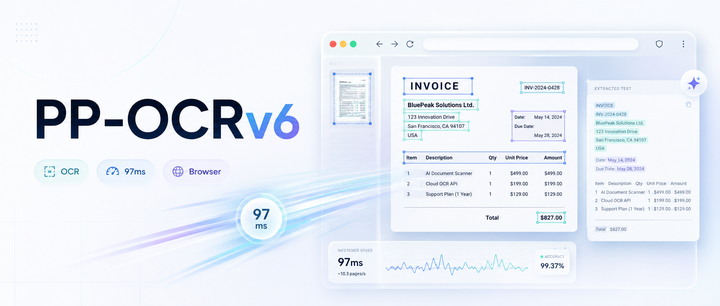
What makes this release genuinely interesting from an engineering perspective is the underlying architecture. By utilizing PPLCNetV4 as a unified backbone alongside a clever large-kernel feature pyramid network called RepLKFPN, they managed to solve the nightmare of multi-scale text detection. Real-world documents are messy. Text is skewed, blurry, dense, or hiding behind terrible industrial backgrounds. Tackling those edge cases without bloating the parameter count requires real craft, and these design choices show a deep understanding of practical deployment constraints.
builders — oddly — need tools that just work without exploding cloud budgets or introducing crippling latency. The relying on massive general-purpose models for routine document ingestion is like using a sledgehammer to hang a picture frame. When you can drop a local. Open, highly accurate OCR engine straight into your use stack and have it fly on standard CPU runtimes. The architecture decisions become — to be exact, pretty clear.